
How To
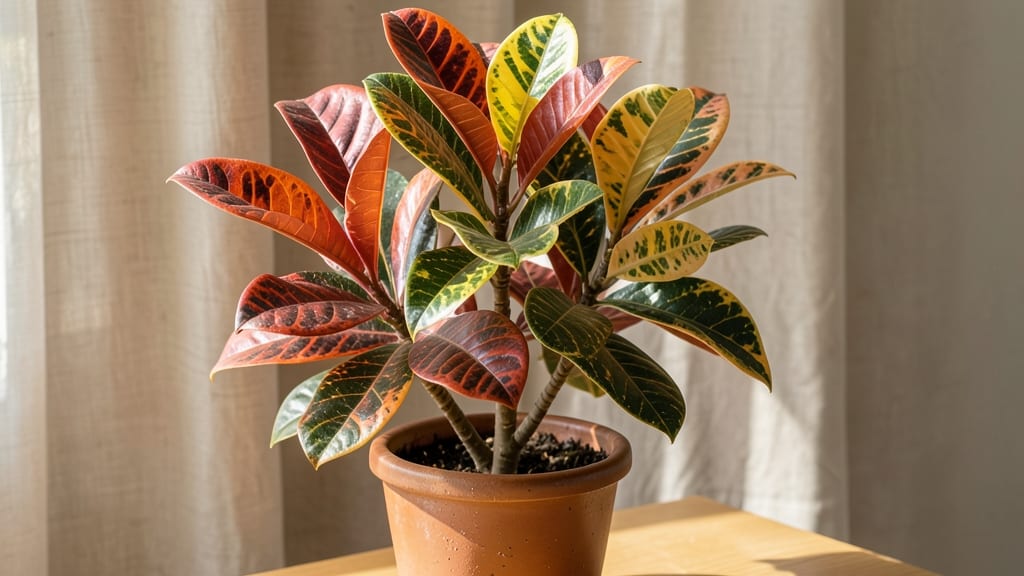
Wondering how tall your 🌿 croton plant can grow? The answer isn’t one-size-fits-all—because some varieties stretch toward the ceiling while others stay compact enough for shelves.
If you’re dreaming of a bold statement plant or just want to keep yours manageable, knowing the height ranges (and what influences them) is the first step to getting exactly the look you want.
Crotons like the 'Mammoth' variety can reach 6 feet or taller when given the right care, while dwarfs like 'Petra' stay under 2 feet. The difference comes down to light exposure, pruning habits, and even the pot size you choose.
Whether you’re planning your indoor garden layout or troubleshooting a stunted plant, understanding these factors will help you steer your croton toward its full potential.
But here’s the thing: height isn’t just about genetics. Pruning at the right time can encourage bushier growth or taller stems, while too much shade might leave your plant struggling to reach its natural size.
I’ll break down the care secrets that make a difference—so you can grow a croton that fits your space and your style, no guesswork required.
Ready to transform your croton from a small accent plant into a showstopper? Let’s dive into the varieties, care tips, and pruning tricks that will give you the exact height you’re after—whether that’s a 3-foot tabletop star or a 6-foot living room centerpiece.

Croton plant height by variety: from dwarf to towering giants
Croton plants (Codiaeum variegatum) are famous for their vibrant foliage, but their mature height can vary dramatically depending on the variety and growing conditions.
Whether you're planning a compact indoor display or a tropical outdoor statement, knowing these height ranges helps you choose the perfect croton for your space. Some varieties stay under 2 feet, while others can reach 10 feet or more outdoors!
Indoor crotons typically grow slower due to limited light and space, while outdoor crotons thrive in warm climates, reaching their full genetic height potential. Even dwarf varieties can double in size when moved outdoors.
Let's explore the most popular croton varieties and their height ranges, so you can visualize their mature size before bringing one home.
The 'Petra' variety is my top recommendation for beginners—its compact size makes it perfect for small spaces, yet it still packs a punch with its deep purple and green foliage.
If you're dreaming of a tropical canopy, the 'Mammoth' variety is the ultimate giant, capable of reaching 12 feet outdoors with proper care. This variety thrives in warm climates like USDA zones 10–12, where it can become a stunning landscape focal point.
For indoor growers, the 'Gold Dust' croton is a game-changer—its trailing habit makes it ideal for hanging baskets, adding a cascading effect to shelves or patios. Even in low light, it stays under 2 feet tall, making it one of the most adaptable varieties for apartment living.
Just be prepared for slower growth if your space lacks natural light.
Outdoor crotons grow significantly faster and taller, especially in full sun conditions. The 'Sunburst' variety, for example, can reach 7 feet outdoors but remains manageable at 4 feet indoors. This makes it a versatile choice for gardeners who want flexibility.
To encourage outdoor growth, plant your croton in well-draining soil and provide regular pruning to maintain its shape and prevent legginess.
If you're growing crotons in containers, remember that root-bound plants grow slower. Repot every 2–3 years to give roots room to expand, which directly impacts height. I’ve seen 'Mammoth' crotons in 20-gallon pots reach 6 feet indoors with proper care—proof that container size matters!
For outdoor plants, consider mulching to retain moisture and encourage deeper root growth, which supports taller stems.
One common mistake is assuming all crotons grow the same. The 'Spicy Orange' variety, for instance, can look like a 'Petra' at first glance but grows twice as tall
What determines your croton’s height: light, pruning & care secrets
Croton plants (Codiaeum variegatum) are famous for their vibrant foliage, but their height varies wildly based on care—sometimes reaching 6 feet or staying under 2 feet. The key factors? Light exposure, pruning habits, and soil conditions work together to shape your plant’s growth trajectory.
Without the right balance, even a Mammoth variety might stay stunted, while a Petra could shoot up unexpectedly.
If your croton feels stuck at 18 inches or suddenly grows leggy, it’s often a signal that one of these three elements is off. For example, low light triggers elongated stems (etiolation), while over-pruning can force bushier but shorter growth.
Let’s break down how to diagnose and fix these issues to unlock your croton’s full height potential.
Let’s start with light exposure, the most critical factor. Crotons thrive in bright, indirect to direct sunlight. A south-facing window delivers the ideal 6+ hours of light, but if your plant leans toward the light, it’s begging for more.
Rotate it quarter-turns weekly to encourage even growth. Low light (common in north-facing rooms) slows height and causes pale, weak stems—a sure sign your croton is struggling.
Next, pruning isn’t just about shaping—it’s a growth hack. Prune 1/3 of the plant’s height in spring to encourage bushier, denser growth, but avoid overdoing it. Heavy pruning in winter can shock the plant, stunting new growth until spring.
Instead, trim yellow or leggy stems year-round to redirect energy upward. Pro tip: Use clean, sharp scissors and dip cuts in cinnamon powder to prevent fungal infections.
Don’t underestimate soil and nutrients either. Crotons need well-draining, slightly acidic soil (pH 5.5–6.5). Compacted or waterlogged soil suffocates roots, halting vertical growth. Repot every 2–3 years into a container 1–2 inches larger than the last, using a mix of peat moss, perlite, and orchid bark.
Fertilize monthly in spring/summer with a balanced 10-10-10 formula—over-fertilizing burns roots, while under-fertilizing starves your plant of the nutrients it needs to reach its height ceiling.
Common mistakes? Overwatering is the #1 culprit for stunted growth. Crotons hate soggy roots—let the top 1–2 inches of soil dry between waterings. Another pitfall: ignoring seasonal changes. In winter, growth slows naturally, so reduce watering and fertilizing.
Forcing a croton to grow in winter with heat lamps or forced feeding stresses the plant, often leading to leaf drop and halted height progression.
With the right care, your croton can hit its mature height—whether that’s a compact 2 feet for dwarf varieties or a towering 6 feet for standards. The secret? Consistency.
Monitor light, prune strategically, and feed wisely. Your croton’s height isn’t just about genetics—it’s about creating the perfect environment for it to thrive. 🌿