
How To
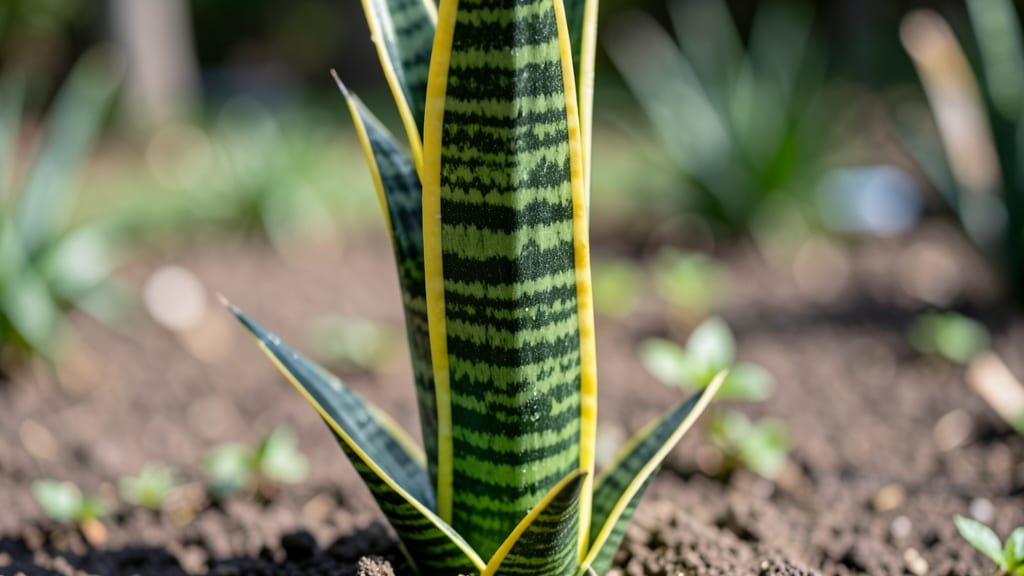
If you’ve ever glanced at your snake plant 🌱 and wondered how tall this plant can grow, the answer isn’t just luck—it’s science (and your care routine). This hardy plant can stretch to 4 feet indoors, but most varieties top out between 2-3 feet with the right conditions.
The key? Light, pot size, and even the variety you’ve chosen.
Let’s break down what determines your snake plant’s height—because yes, you can influence it. Whether you’re dealing with a ‘Laurentii’ reaching for the ceiling or a ‘Futura Superba’ staying compact, understanding these factors means you’re in control. Ready to learn how to keep your plant at your ideal height?
Overwatering or cramped roots? That’s a fast track to a leggy giant. But with a few simple adjustments—like repotting or tweaking light exposure—you can encourage a bushier, more manageable shape. Think of it as training your plant to stay within your space (and your decor’s limits).
From dwarf varieties that stay under 2 feet to towering giants that need a ladder to admire, we’ll cover everything you need to know. By the end, you’ll know exactly how tall your snake plant should be—and how to keep it that way.

Snake plant height limits: indoor growth expectations by variety
If you’ve ever measured your snake plant against the ceiling, you’re not alone.
These architectural plants can grow surprisingly tall indoors, but their final height depends entirely on the variety and your care routine. Sansevieria trifasciata, the most common type, often stretches to 3-5 feet indoors, while dwarf varieties like 'Hahnii' stay under 1 foot.
The difference comes down to genetics, pot size, and light exposure.
Most snake plants grow vertically, but some varieties like 'Futura Superba' develop thick, upright stems that can reach 6 feet with ideal care. Others, such as 'Laurentii', grow in rosettes that stay compact unless crowded.
Understanding these differences helps you choose the right variety for your space and manage expectations for height control.
Pot size plays a huge role in height control. Snake plants grown in smaller containers (6-8 inches) stay shorter because their roots can't expand, forcing the plant to focus on leaf production rather than vertical growth.
I’ve seen 'Laurentii' plants in 6-inch pots max out at 2 feet tall, while the same variety in a 12-inch pot can easily reach 4 feet. Always choose a pot that’s just 2-3 inches wider than the plant’s root ball.
Light exposure directly impacts height. Snake plants stretch toward light sources—a phenomenon called etiolation—when placed in low-light conditions. If your plant is growing near a north-facing window or under artificial lights, it may develop long, thin leaves as it reaches for more light.
Move it to a bright, indirect spot (like an east-facing window) to encourage bushier, proportionate growth.
Young snake plants grow fastest during their first 2-3 years, adding 6-12 inches per year under ideal conditions. After reaching maturity, growth slows dramatically. For example, a 'Futura Superba' might grow 18 inches in its first year but only 6 inches in year three.
Patience is key—rushing growth with overwatering or fertilizer can actually stunt height and weaken the plant.
One common misconception is that all snake plants grow tall. Varieties like 'Hahnii' are naturally dwarf, rarely exceeding 1 foot in height. These trailing varieties spread horizontally instead of vertically, making them perfect for shelves or hanging baskets.
If you love snake plants but have limited vertical space, 'Hahnii' or 'Golden Hahnii' are fantastic alternatives.
For taller varieties, consider training them vertically using a moss pole or trellis. Snake plants don’t climb naturally, but you can gently tie their leaves to a support to guide growth upward.
This technique works best with 'Futura Superba' or 'Twisted Sister', which have sturdy stems that can handle gentle support.
If your snake plant is already too tall for your space, don’t worry—you can prune it back without harm. Simply cut the longest leaves at the base with sterile scissors, and the plant will redirect energy to new growth.
I’ve pruned 'Laurentii' plants down to 1 foot and watched them regrow in just 3 months. Just avoid cutting more than 1/3 of the plant at once to prevent stress.
Remember, snake plants are incredibly forgiving. Even if yours stretches toward the ceiling, it’s still a low-maintenance, air-purifying powerhouse. With the right variety, pot size, and light conditions, you can enjoy a snake plant that fits perfectly in your space—whether that’s a towering statement
How to control snake plant height: pruning, repotting & light tricks
If your snake plant is reaching for the ceiling like a sleepy giant, don’t panic—it’s not too late to guide its growth. With the right pruning techniques, repotting schedule, and light adjustments, you can encourage a bushier, more compact shape instead of those towering stems.
The key lies in understanding how your plant responds to care cues.
Snake plants naturally grow vertically, but their height can vary dramatically based on light exposure and container size. A plant in a cramped pot will stretch upward for space, while proper light and occasional pruning can keep it manageable.
Let’s break down the steps to reclaim control over your plant’s height—without sacrificing its health or beauty.
- 1 Prune elongated stems at the base using sterile scissors. Cut just above a leaf node to encourage new growth from the remaining stem.
- 2 Repot every 2-3 years or when roots circle the pot. Choose a container 1-2 inches wider than the current one to slow vertical growth.
- 3 Rotate the pot every 2-4 weeks to ensure even light exposure. This prevents leaning and encourages balanced, bushier growth.
- 4 Move to brighter light gradually if your plant is stretching. Aim for 12-14 hours of indirect light daily to reduce elongation.
- 5 Use a well-draining mix with perlite or sand to prevent root stress, which can trigger tall, weak growth. Avoid heavy soils that retain moisture.
Pruning is the fastest way to rein in a leggy snake plant. When you cut back elongated stems, you’re not just trimming—you’re signaling the plant to focus energy on lateral growth. Always use clean tools to avoid disease, and never remove more than one-third of the plant at once.
This method works especially well for varieties like 'Laurentii', which can grow 3-4 feet tall indoors if unchecked.
Repotting isn’t just about giving roots more space—it’s a chance to reset your plant’s growth pattern. When you upgrade to a slightly larger pot, you’re encouraging the roots to spread outward rather than upward.
Pair this with a fast-draining cactus mix, and you’ll see a noticeable difference in just a few months. Pro tip: Add a layer of gravel at the bottom to improve drainage and prevent root rot, a common issue with overwatered snake plants.
Light is the silent growth regulator for snake plants. If your plant is stretching toward a window, it’s begging for more bright, indirect light. A south-facing window is ideal, but avoid harsh midday sun, which can scorch the leaves.
For indoor setups, consider a grow light if natural light is limited—just 6-8 hours daily can make a dramatic difference in keeping your plant compact and healthy.
Remember, snake plants are resilient. With patience and consistent care, you can guide even the tallest specimens back to a manageable size. Start with one technique—like pruning or repotting—and observe how your plant responds before making additional adjustments.
Soon, your once-lofty snake plant will be the perfect, bushy centerpiece you envisioned.