
Plants
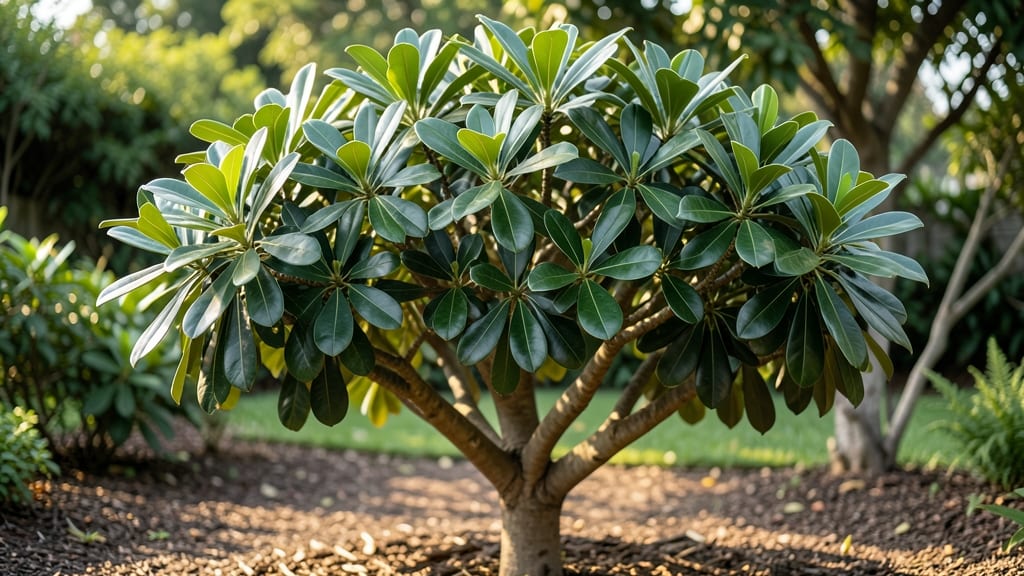
Wondering how tall your umbrella plant could grow? This fast-growing 🌿 beauty can reach 6 to 10 feet indoors if left unchecked, making it a stunning statement piece—or a space hog, depending on how you manage it.
For most indoor gardeners, the key to keeping it at a manageable height lies in understanding its growth habits. Without pruning, expect your umbrella plant to stretch toward the ceiling, especially in bright, warm conditions.
But with the right care, you can easily control its size and keep it looking lush without sacrificing your living room’s floor space.
Whether you're working with a small apartment or a spacious home, learning how to guide its growth will help you enjoy its tropical vibes without the surprises. I’ll break down everything you need to know—from typical height ranges to simple pruning tricks—to keep your plant happy and your space balanced.
Ready to turn your umbrella plant into the perfect-sized centerpiece? Let’s dive into the secrets of managing its height so you can enjoy its beauty without the headaches.

Umbrella plant height limits: indoor growth expectations & space planning
The umbrella plant (Schefflera actinophylla) is a stunning tropical favorite, but its indoor height can vary dramatically depending on care conditions. Without intervention, these plants often reach 6 to 10 feet tall indoors, making them perfect for high-ceiling spaces or large rooms.
However, with proper pruning and light management, you can easily keep them between 3 to 6 feet—ideal for most living spaces.
Understanding your plant's growth potential early helps prevent awkward ceiling collisions or overcrowded rooms. I've learned that light exposure is the #1 factor—too little slows growth, while too much can cause leggy stems.
The pot size also plays a role: larger containers encourage faster, taller growth, while smaller pots promote bushier habits.
Here’s the key: Most indoor umbrella plants hit 3-5 feet in 2-3 years with average care, but they can shoot up to 10 feet in 5 years if given ideal conditions. Planning ahead means you can enjoy their lush foliage without the stress of relocation.
Your ceiling height should be the first consideration when choosing a location. For standard 8-foot ceilings, most growers keep their plants under 6 feet through seasonal pruning. I recommend measuring your space before purchasing—nothing’s worse than a 10-foot plant in a 7-foot room!
Another critical factor is light intensity. Umbrella plants in low-light conditions grow slower (often staying under 4 feet), but they develop long, sparse stems.
To encourage compact growth, place your plant within 3 feet of an east or west-facing window where it gets 4-6 hours of bright indirect light daily.
Don’t overlook the pot size—it directly impacts height. A 12-inch pot will keep your plant bushier, while a 20-inch container encourages taller growth. I use fabric grow bags for my indoor plants because they prevent root circling, which can stunt upward growth and lead to top-heavy instability.
For small-space gardening, consider these varieties: Schefflera arboricola (dwarf types) typically max out at 4-5 feet, while Schefflera actinophylla varieties like 'Amate' can reach 8 feet without pruning. Always check the nursery tag—it often lists mature size estimates.
If you’re worried about overgrowth, start pruning when your plant reaches 3 feet tall. Trim back the longest stems by 1/3 to encourage bushier growth. I prune mine in early spring right before the growth spurt begins—this keeps them manageable year-round.
Remember: Outdoor umbrella plants grow even taller (often 12-15 feet in tropical climates), but indoors, their growth is 50% slower due to limited light. Use this to your advantage by planning your space and pruning strategically to enjoy your plant’s beauty without the headaches.
Pro tip: Rotate your plant every few weeks so all sides get even light—this prevents lopsided growth and keeps your plant compact and symmetrical. With the right approach, your umbrella plant can be the perfect statement piece without dominating your room. 🌿
How to control umbrella plant growth: pruning & care tips for compact size
Keeping your umbrella plant (Schefflera actinophylla) at a manageable height starts with understanding its natural growth patterns. Without intervention, this tropical beauty can reach 6-10 feet indoors within 3-5 years, making pruning essential for smaller spaces.
The key is timing—prune during spring or early summer when the plant enters its active growth phase, which encourages bushier, more compact foliage.
Before reaching for your pruners, assess your plant's current structure. Look for overly leggy stems or branches that have outgrown their designated area. These are prime candidates for trimming. Remember, umbrella plants respond well to pruning, often producing new growth within 4-6 weeks after a haircut.
This makes it an ideal candidate for shaping into a desired compact form.
The mature height of an umbrella plant indoors typically ranges between 4-6 feet when pruned regularly. Without pruning, expect 8-10 feet of vertical growth. Varieties like 'Amate' or 'Trinette' stay slightly shorter (3-5 feet) naturally, making them better choices for smaller spaces.
Start by sterilizing your pruning shears with rubbing alcohol to prevent disease transmission. Cut just above a leaf node (the bump where leaves attach) at a 45-degree angle. This encourages healthier regrowth.
For dramatic height reduction, trim back 1/3 of the plant's height in one session, but avoid removing more than 25% in a single pruning to reduce stress on the plant.
Light conditions play a crucial role in controlling growth. Place your umbrella plant near an east or west-facing window for bright indirect light, which promotes moderate growth. Avoid direct afternoon sun, which can scorch leaves and spur rapid, leggy growth.
If your plant stretches toward the light, it's a sign it needs more illumination—consider supplementing with a grow light for 6-8 hours daily.
Seasonal care adjustments can also curb excessive growth. During fall and winter, reduce watering to every 2-3 weeks and withhold fertilizer entirely. This slows growth during dormancy, preventing the plant from becoming unmanageable when spring arrives.
Repot only when roots circle the pot's base—overpotting encourages rapid growth, which may not be desirable for compact spaces.
For a fuller, bushier plant, pinch back the tips of new growth during spring. This encourages lateral branching, creating a denser canopy. Combine this with rotational pruning—alternate which sides you trim each year—to maintain a balanced shape.
With consistent care, your umbrella plant will stay within your desired height limits while thriving as a lush, tropical centerpiece.