
Plants
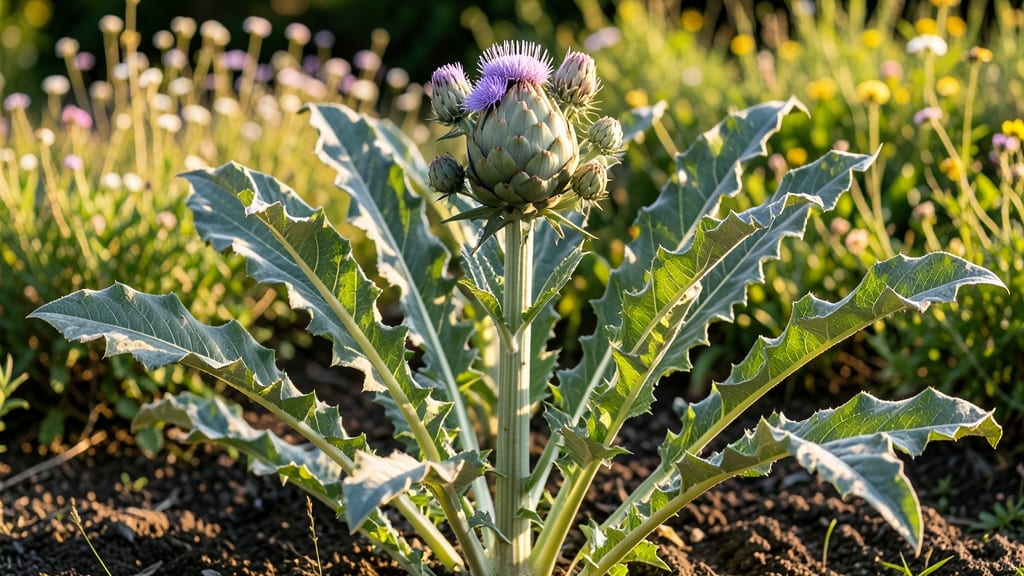
If you’ve ever wondered how tall an artichoke plant can grow, you’re not alone—these striking 🌱 plants often surprise gardeners with their towering presence.
Globe artichokes, the most common variety, typically reach heights of 4 to 6 feet, while some varieties can even stretch closer to 7 feet under ideal conditions. That’s taller than a standard kitchen counter, so space planning is key before you plant.
But here’s the thing: their height isn’t just about variety—soil quality, sunlight, and even pruning play a huge role.
In USDA Zone 6, where spring planting kicks off in March–April, giving your artichokes room to grow (or controlling their height) can mean the difference between a bountiful harvest and a struggle. The good news? With the right techniques, you can manage their growth without sacrificing yield.
Whether you’re working with a sprawling backyard or a cozy container, understanding how to guide an artichoke’s growth is a game-changer. I’ll break down the factors that influence height, share pruning tips to keep them in check, and even suggest space-saving tricks for small gardens.
By the end, you’ll know exactly how to make the most of your artichoke’s vertical potential—without it taking over your plot.
Ready to turn your garden into an artichoke powerhouse? Let’s dive into the details so you can grow with confidence, whether you’re aiming for a 6-foot giant or a neatly trimmed 4-foot beauty. Your harvest (and your neighbors’ envy) will thank you!

Artichoke plant height by variety: from compact to towering giants
Artichoke plants are architectural stars in any garden, but their height potential varies dramatically by variety and growing conditions. Whether you're planning a backyard permaculture plot or a container garden on a balcony, knowing these dimensions helps you choose the right type for your space.
Globe artichokes, the most common variety, typically reach 4–6 feet tall, while French and Romanesco varieties can climb even higher under ideal conditions.
For gardeners with limited space, dwarf varieties like 'Green Globe Improved' or 'Violetto' offer a more manageable 3–4 foot height. These compact plants still produce delicious buds but require less vertical clearance.
Meanwhile, standard varieties like 'Imperial Star' or 'Romanesco' can surpass 6 feet, making them better suited for larger gardens or trellised growing systems.
Here’s how the most popular artichoke types compare in terms of mature height and space needs, along with tips for accommodating them in your garden:
| Variety | Mature Height | Space Needs | Best For |
|---|---|---|---|
| Globe (e.g., 'Green Globe Improved') | 4–6 ft | 3–4 ft diameter | Backyard gardens, containers (dwarf types) |
| French (e.g., 'Blanca de Tudela') | 5–7 ft | 4–5 ft diameter | Trellises, large plots, warm climates |
| Romanesco (e.g., 'Romanesco') | 6–8 ft | 5+ ft diameter | Tall trellises, greenhouse growing |
| Dwarf Varieties (e.g., 'Violetto') | 3–4 ft | 2–3 ft diameter | Containers, small gardens, urban plots |
Your artichoke plant’s height isn’t just about aesthetics—it directly impacts yield and care requirements. Taller varieties like Romanesco often produce larger buds but may need staking or trellising to prevent flopping, especially in windy conditions.
Meanwhile, compact varieties like 'Violetto' are perfect for container growing or small-space gardens, where vertical space is limited.
Another factor to consider is pruning habits. Globe artichokes benefit from regular pruning to encourage bushier growth and prevent legginess, while French and Romanesco types may need structural support to handle their height.
If you’re growing artichokes in USDA Zones 7–10, taller varieties can overwinter with minimal protection, but in colder zones, even dwarf types may need mulching or row covers to survive frost.
For urban gardeners or balcony growers, choosing a dwarf variety is a game-changer. A 5-gallon container can comfortably accommodate a 'Violetto' plant, which matures at just 3–4 feet tall. Pair it with companion plants like basil or thyme to maximize your small-space harvest.
Even in containers, these plants thrive with 6+ hours of sun daily and well-draining soil mixed with compost.
If you’re working with a larger garden plot, taller varieties like 'Imperial Star' can create a stunning vertical focal point. Plant them near a south-facing fence or trellis to guide their growth upward and save ground space.
Just be prepared to harvest from ladders—these giants can reach 7 feet in ideal conditions! Remember to space plants 3–4 feet apart to allow airflow and reduce disease risk.
Height also affects harvest logistics. Taller plants produce buds higher off the ground, which can make harvesting trickier. Use a small step stool or kneeling pad to avoid straining your back.
For container-grown dwarf varieties, simply place the pot on a stable surface or use a harvesting basket on wheels to roll up to the plant.
One common misconception is that taller artichoke plants always yield more. In reality, compact varieties often produce just as many buds per square foot when given proper care. The key is consistent watering and fertilization.
Feed your plants with a balanced 10-10-10 fertilizer every 4–6 weeks during the growing season, and mulch around the base to retain moisture and regulate soil temperature.
For first-time growers, I recommend starting with a dwarf globe variety like 'Green Globe Improved'. It’s forgiving, productive, and fits easily into most garden layouts. Once you’ve mastered the basics, you can experiment with taller types like French or Romanesco for a dramatic garden statement.
Just be sure to monitor soil moisture—taller plants have deeper root systems and need 1–1.5 inches of water per week, especially during bud formation.
🌱
How to control artichoke plant height: pruning and training techniques
Artichoke plants can grow 4 to 6 feet tall, but their height isn't just about space—it's about harvest quality and plant health. Left unchecked, these tall perennials can become unruly, spreading 3 to 5 feet wide while competing for sunlight. The good news?
With the right pruning and training techniques, you can manage their growth, improve airflow, and even boost your artichoke yield. I’ll walk you through the best methods to keep your plants at your desired height while ensuring a bountiful harvest.
Most gardeners focus on height control for two reasons: space management and disease prevention. Tall, sprawling artichoke plants are prone to fungal diseases like powdery mildew if they don’t get enough airflow.
By pruning strategically and using stakes or trellises, you can direct their energy toward producing larger, healthier buds instead of excessive foliage. Plus, training them vertically saves garden space—ideal for small yards or container growing!
Start with Proper Spacing
Plant artichokes 3 to 4 feet apart in rows spaced 4 to 5 feet apart. This gives roots room to establish without overcrowding, reducing the need for aggressive pruning later.
If space is limited, opt for dwarf varieties like 'Green Globe Improved,' which max out at 3 to 4 feet tall.
Prune for Airflow and Shape
Use clean, sharp pruners to remove yellow or diseased leaves as soon as you spot them. For height control, trim back excessive side shoots (suckers) that grow from the base.
Focus on keeping the main stem strong—cut back any branches that grow lower than 12 inches off the ground to encourage upward growth. Do this every 4 to 6 weeks during the growing season.
Support with Stakes or Trellises
Insert bamboo stakes or metal trellises near each plant at planting time. Tie the main stem to the stake with soft garden twine as it grows, guiding it vertically. For varieties like 'Romanesco,' which can get 5 to 6 feet tall, a strong trellis prevents toppling.
This also makes harvesting easier—no more bending over for mature artichokes!
Harvest Strategically to Control Growth
Harvesting regularly (every 7 to 10 days during peak season) encourages new bud formation and prevents the plant from putting all its energy into height growth. Always cut artichokes with 2 to 3 inches of stem attached—this redirects nutrients to the roots and lower buds.
Stop harvesting 6 to 8 weeks before your first frost to let the plant store energy for next year.
Winter Pruning for Perennials
If you're growing perennial artichokes (like 'Green Globe'), cut back the foliage to 6 inches tall after the first frost. This prevents winter rot and makes it easier to spot new growth in spring.
Avoid heavy pruning in late summer—it can stress the plant before dormancy. Mulch around the base with 2 to 3 inches of straw to protect roots from freezing.
One common mistake gardeners make is over-pruning in early spring, which delays bud formation. Instead, focus on light pruning in late winter to remove dead growth and let the plant focus on producing early-season artichokes.
Pair your pruning with a balanced fertilizer (like 10-10-10) every 4 to 6 weeks to support vigorous but controlled growth. With these techniques, you’ll keep your artichoke plants at a manageable height while maximizing your harvest!
Pro tip: If you’re growing artichokes in containers, choose dwarf varieties and prune aggressively to keep the plant under 3 feet tall. Container-grown artichokes also benefit from weekly feeding since nutrients deplete faster in pots.
Just remember—less height doesn’t mean fewer artichokes if you train the plant correctly!
🌿