
Plants
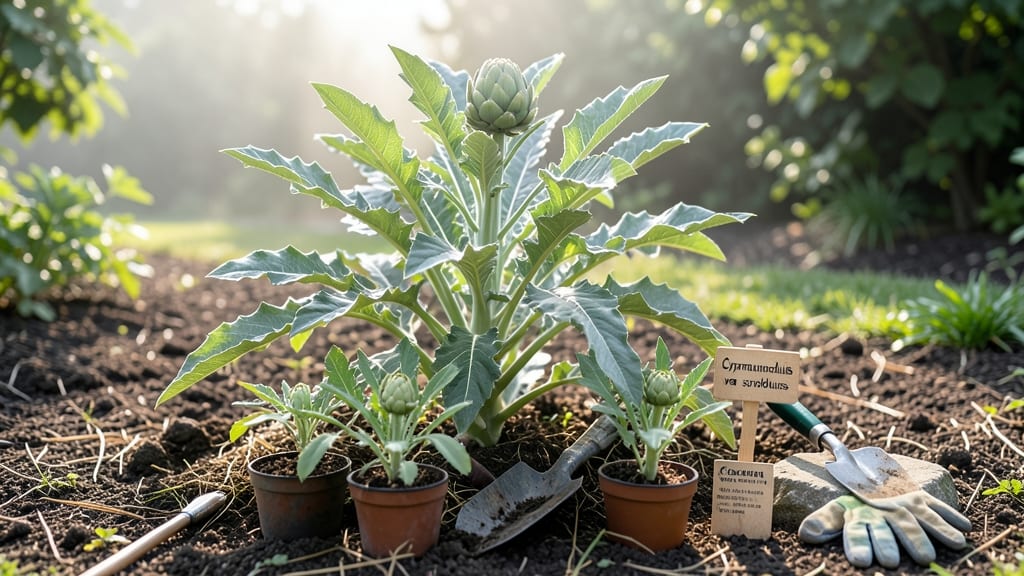
Planting artichokes at the wrong time in Zone 7 can mean the difference between a bountiful harvest of tender buds and a sad, wilted disappointment. Unlike many vegetables, these 🌱 globe-shaped giants need precise timing to thrive in our mild winters and warm summers.
Most gardeners in Zone 7 rush to plant too early, only to watch their seedlings freeze when late frosts sneak in. The key is planting 4-6 weeks before your last frost date—typically between early March and mid-April.
But here’s the catch: soil temperature matters just as much as calendar dates.
In this guide, I’ll break down the exact planting window for Zone 7, including how to adjust for microclimates (like coastal vs. inland areas) and whether starting indoors gives you an edge. You’ll also learn how to prep your soil and space your plants for maximum yield.
Whether you’re a first-time grower or a seasoned gardener looking to perfect your timing, these insights will help you avoid common mistakes and enjoy plump, edible artichokes by late spring.

Exact weeks before last frost to plant artichokes in Zone 7 for maximum yield
Artichokes are finicky about timing—plant them too early, and they’ll bolt before producing edible buds. Too late, and your harvest shrinks. In Zone 7, the sweet spot is 4-6 weeks before your last frost date, but soil temperature matters just as much.
Most Zone 7 gardeners aim for March-April planting, but your exact window depends on whether you’re starting seeds indoors or transplanting seedlings.
Soil temperature is your secret weapon. Artichokes won’t germinate well below 50°F. Use a soil thermometer to confirm your garden beds have warmed to at least 55°F before planting.
In cooler microclimates (like inland Raleigh), wait until late March. Coastal areas (like Savannah) can plant as early as February if soil temps cooperate.
Your last frost date isn’t set in stone—it varies by 5-10 days across Zone 7. Check the USDA Plant Hardiness Zone Map and local weather averages.
For example: - Atlanta, GA: Last frost ~March 15 (plant by February 15) - Raleigh, NC: Last frost ~March 20 (plant by February 25) - Richmond, VA: Last frost ~March 10 (plant by February 10)
| Location | Last Frost Date | Planting Window | Soil Temp Threshold |
|---|---|---|---|
| Atlanta, GA | March 15 | Feb 15–March 1 | 55°F+ |
| Raleigh, NC | March 20 | Feb 25–March 5 | 55°F+ |
| Richmond, VA | March 10 | Feb 1–Feb 15 | 55°F+ |
| Savannah, GA | Feb 28 | Jan 20–Feb 10 | 50°F+ |
If you’re starting seeds indoors, begin 8-10 weeks before your last frost. Artichokes take 90-120 days to mature, so early starts are critical. Use biodegradable pots to avoid root disturbance when transplanting. Harden off seedlings for 10-14 days before moving them outdoors to prevent shock.
Late planting is riskier but possible in Zone 7. For a fall harvest, try transplanting late July–early August, aiming to mature buds before first frost (November 15).
Use row covers to extend the season by 2-3 weeks. Just beware—artichokes planted after August often struggle to mature before cold snaps.
Microclimates throw a wrench into timing. Urban areas with heat islands (like Atlanta’s downtown) may warm up 5-7 days earlier than rural zones. Conversely, valleys or shaded spots can delay soil warming by 10+ days. Always scout your garden’s warmest spot for planting.
Pro tip: Monitor the National Weather Service’s frost predictions for your region. A 32°F warning in April can wipe out young seedlings. In my garden, I’ve used frost cloth to protect transplants until they’re 12 inches tall, buying me an extra 2-3 weeks of safety.
Don’t forget: Artichokes are perennials in Zone 7, but they’ll produce better if you renew plants every 2-3 years. If you’re planting for long-term harvests, prioritize healthy soil and consistent care—not just timing.
The right window gets you started, but ongoing maintenance keeps those buds plump and edible.
Ready to plant? Grab your soil thermometer, check your local frost date, and mark your calendar. With the right timing, you’ll be harvesting globe artichokes in June—no bitter disappointment in sight! 🌱
Step-by-step guide: how to plant artichokes in Zone 7 for a thriving harvest
Planting artichokes in Zone 7 requires careful attention to soil prep and timing to avoid common pitfalls like bolting or pest damage. Unlike cooler climates, Zone 7’s mild winters mean you can start earlier—but rushing can backfire if soil temperatures aren’t right.
The key? Balancing soil warmth (50°F+), pH levels (6.5–7.5), and proper spacing to give these sun-loving perennials room to thrive.
I’ve learned from trial and error that direct sowing in early spring (March–April) works best for most gardeners in Zone 7, but transplanting 6-week-old seedlings can give you a head start.
The difference? Seedlings establish faster, but they cost more upfront. Either way, follow these steps to ensure your artichokes grow strong and productive, not bitter or stunted.
- Use a soil pH test kit to confirm 6.5–7.5 pH. Artichokes hate acidic soil!
- Amend with compost or aged manure (2–3 inches) and sand if soil drains poorly.
- Loosen soil to 12 inches deep—artichokes need deep roots.
- Direct Sowing: Plant seeds ½ inch deep, 3–4 feet apart in rows 4 feet apart.
- Transplanting: Harden off seedlings for 10–14 days before moving to garden.
- Zone 7’s last frost is typically March 15, so aim to plant 4–6 weeks before.
- Dig holes twice as wide as the root ball and same depth.
- Water deeply before planting to settle soil.
- Apply 2–3 inches of mulch (straw or wood chips) to retain moisture and suppress weeds.
- Water deeply every 3–5 days—artichokes need 1–2 inches of water weekly.
- Fertilize with 5-10-10 balanced fertilizer every 4–6 weeks during growing season.
- Watch for artichoke plume moths—handpick larvae or use row covers.
One mistake I see often is overcrowding artichoke plants. They need 3–4 feet of space to avoid competition, which leads to smaller buds. Another pitfall? Skipping mulch in Zone 7’s hot summers.
Without it, soil dries out fast, and your plants will bolt (send up flowers instead of buds). Stick to the spacing and mulch rules, and you’ll avoid these common headaches.
For Zone 7 gardeners with short growing seasons, consider planting ‘Green Globe’ or ‘Imperial Star’ varieties—they mature faster (90–120 days) and handle heat better. If you’re in a cooler microclimate (like higher elevations), start seeds indoors in February for an earlier harvest.
The goal? Get those plants in the ground when soil temps hit 50°F and keep them happy until frost.
Remember, artichokes are perennials in Zone 7, meaning they’ll come back year after year if cared for properly. With the right prep, you’ll enjoy harvests for decades—not just one season. Start with these steps, and you’ll be feasting on homegrown artichokes before you know it! 🌱