
Plants
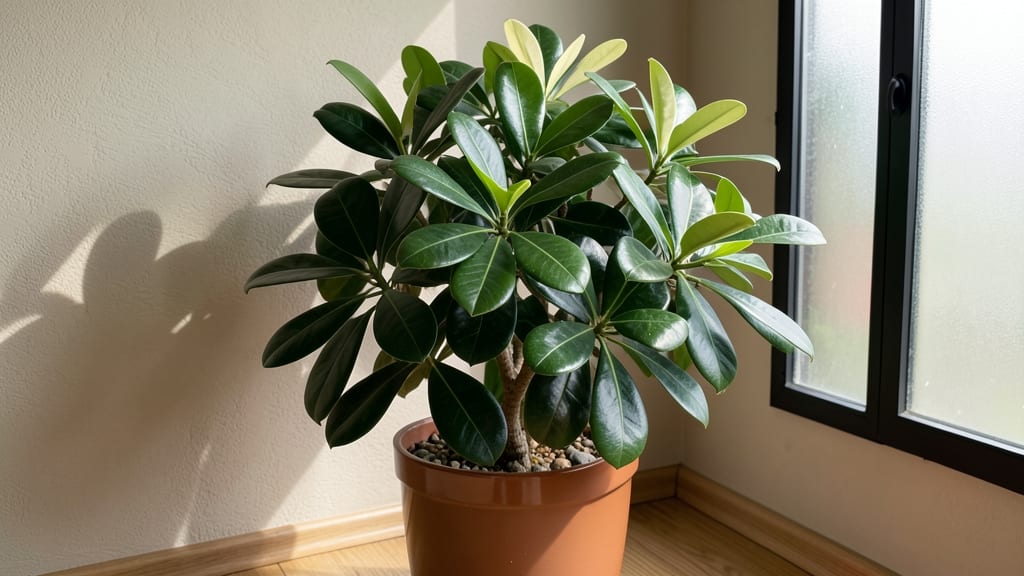
Want to know how much light does an umbrella plant need to grow lush and vibrant instead of struggling with weak, yellowing leaves? The answer lies in getting its light needs just right—because this tropical beauty thrives in bright, indirect light, not harsh sun or dim corners.
Most indoor growers accidentally overlook this simple but critical detail, leading to plants that either stretch painfully toward the window or develop crispy brown edges from too much sun. The good news?
With the right placement and a few easy adjustments, you can create the perfect light conditions—whether you're working with a sunny south-facing room or a cozy north-facing space.
I’ll break down exactly how much light your Umbrella Plant needs—from the ideal bright indirect light setup to spotting the warning signs when it’s getting too much or too little. You’ll also discover how to adapt as seasons change, so your plant stays happy year-round.
Skip the guesswork and give your 🌿 Umbrella Plant the care it deserves. Let’s get started with the light conditions that’ll have it thriving in no time.


Ideal light requirements for umbrella plants: bright indirect light explained
Your umbrella plant (Schefflera actinophylla) thrives in bright indirect light, mimicking its native tropical habitat. Too little light causes leggy growth, while too much direct sun scorches those stunning compound leaves. Let’s break down exactly what this plant needs to stay lush and healthy year-round.
Most indoor growers mistakenly assume more sunlight is always better, but umbrella plants are sun-sensitive. Direct afternoon sun acts like a death sentence for their delicate foliage, causing crispy brown edges within days. Instead, aim for dappled sunlight similar to a shaded forest understory.
Here’s the golden rule: 60% indirect light is ideal, meaning your plant should receive 4-6 hours of filtered sunlight daily. Think of it like positioning your plant near an east-facing window where morning sun is gentle, or 3-5 feet from a south-facing window with sheer curtains for diffusion.
| Light Condition | Description | Effects on Umbrella Plant | Solution |
|---|---|---|---|
| Low Light (<30%) | North-facing windows, deep shade, or rooms without natural light | Leggy growth, pale yellow leaves, weak stems | Move to brighter spot or use grow lights |
| Medium Light (30-60%) | East/west windows, filtered sunlight through curtains | Healthy green leaves, compact growth, vibrant foliage | Perfect! Rotate plant weekly for even growth |
| Bright Indirect (60-80%) | South window with sheer curtains, 2-3 feet away | Dark green glossy leaves, sturdy stems, optimal growth | Ideal spot—minimal adjustments needed |
| Direct Sun (>80%) | South/west windows without curtains, midday sun | Brown crispy edges, leaf scorch, wilting | Move to indirect light immediately; prune damaged leaves |
Seasonal adjustments are crucial because winter light intensity drops by 30-40% in most homes. During December-February, supplement with a 12-hour grow light if you notice leaves stretching toward the window—a classic sign of light deprivation.
In summer, watch for afternoon sun between 12 PM and 4 PM, which can quickly become too intense.
Pro tip: Rotate your plant ¼ turn weekly to prevent lopsided growth toward the light source. This ensures all leaflets receive equal exposure, keeping your umbrella plant’s signature symmetrical shape.
Place it near a west-facing window in summer for gentle afternoon light, then shift to east-facing in winter to avoid harsh midday rays.
If you’re unsure about your home’s light levels, use the shadow test: Place a white piece of paper near your plant’s spot. If the shadow is sharp and dark, it’s direct sun.
If it’s soft and fuzzy, you’ve found the perfect indirect light zone. This simple trick saves hours of trial and error!
For low-light apartments, avoid placing your umbrella plant in bathrooms or basements, where light levels drop below 20%. Instead, choose a well-lit hallway or kitchen with natural light, or invest in a full-spectrum LED grow bulb for 6-8 hours daily.
Even fluorescent bulbs work in a pinch, though they’re less efficient.
Remember: Umbrella plants are tropical survivors, not desert plants. They’ve evolved to thrive under forest canopies, not baking in full sun. By matching their light needs, you’ll reward yourself with year-round lush foliage and minimal maintenance. 🌿
Signs your umbrella plant isn’t getting enough (or too much) light
Your umbrella plant (Schefflera actinophylla) might be silently begging for help if its leaves start showing strange patterns. Yellowing edges or pale, stretched-out foliage are classic red flags—these usually mean it’s not getting enough bright indirect light.
On the flip side, crispy brown spots or bleached patches suggest too much direct sunlight, which can scorch delicate leaves.
First, check your plant’s current location. If it’s sitting in a dark corner or behind heavy curtains, it’s likely light-deprived. Even worse, placing it in harsh afternoon sun can cause irreversible damage. The key is finding that sweet spot where morning sunlight gently filters through without burning.
🚨
How much light does an umbrella plant need? Aim for 4-6 hours of bright indirect light daily. Too little causes leggy growth, while too much triggers leaf burn. East-facing windows are ideal—west or south exposures may need sheer curtains to diffuse intensity.
Quick Fix: Rotate your plant quarter-turn weekly to ensure even light exposure. If leaves are stretching toward a window, move it closer—but never into direct sun.
Start by examining the leaf color. Healthy umbrella plant leaves should be deep green with no variegation loss. If you notice yellow patches or purplish undersides, these are signs of insufficient light.
The plant is essentially reaching for sunlight, which leads to weak stems and sparse foliage. In contrast, white or brown crispy spots indicate sunburn—a clear sign of over-exposure.
Another telltale sign is the growth pattern. If your umbrella plant develops long, bare stems with leaves only at the tips, it’s a classic case of etiolation—a term for plants stretching unnaturally toward light.
To fix this, move it to a sunnier spot (but still indirect) and consider pruning leggy growth to encourage bushier, healthier regrowth.
For chronic light issues, consider supplementing with a grow light. A simple LED bulb placed 12-18 inches above the plant for 12-14 hours daily can mimic natural light conditions.
Just avoid fluorescent bulbs, which can cause blue-tinged leaves over time. Test your setup for a week, then adjust based on leaf response.
Finally, pay attention to new growth. If fresh leaves emerge smaller than usual or with dull coloration, your plant is still struggling. This is your cue to reassess lighting conditions immediately.
With the right balance, your umbrella plant will bounce back with vibrant, glossy leaves in just a few weeks.