
Plants
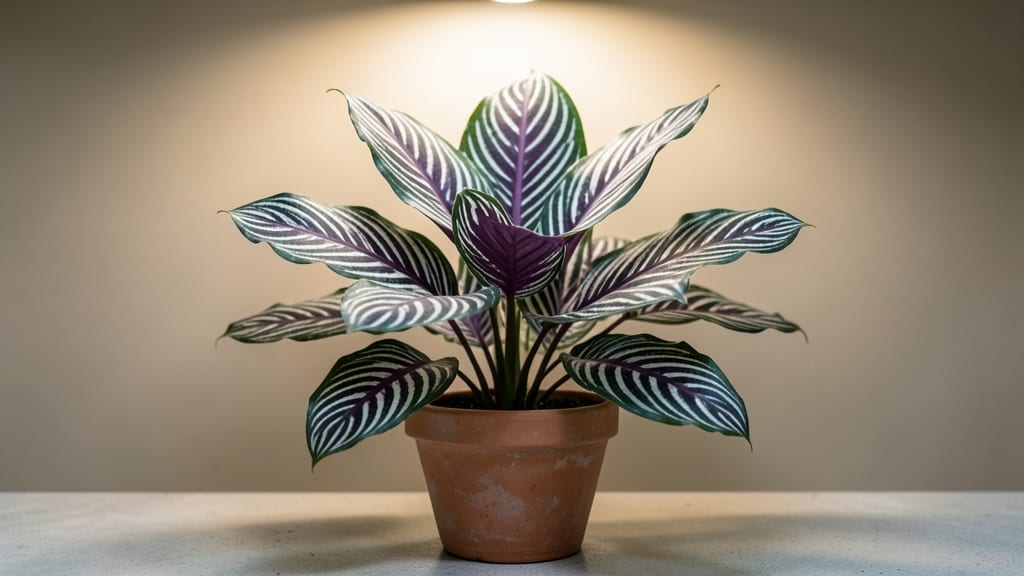
Wondering how much light your Zebra Plant 🌿 truly needs to thrive? The answer might surprise you—this striking houseplant doesn’t demand constant sunlight but does crave just the right balance to keep its bold stripes vibrant and healthy.
Too little light, and those signature zebra-patterned leaves fade to dull green. Too much, and the edges crisp like overcooked toast. The sweet spot? 2-4 hours of bright, indirect light each day—think morning sun or a well-lit east-facing window.
Even better, this adaptable plant can handle lower light conditions with minor adjustments.
I’ve learned the hard way that placing your Zebra Plant in harsh afternoon sun or a dim corner can stunt its growth. The key is observing its leaves: if they’re stretching toward light or losing their pattern, it’s time to tweak its spot.
Let’s break down exactly how to give your plant the perfect lighting setup for lush, eye-catching foliage.
Whether you’re a beginner or a seasoned plant parent, mastering this simple rule will transform your Zebra Plant from a struggling survivor to a showstopping centerpiece. Ready to unlock its full potential?


Zebra plant light requirements: the ideal 2-4 hours of morning sunlight explained
The zebra plant (Aphelandra squarrosa) thrives on bright indirect light, but getting it just right can feel like walking a tightrope. Too little light fades its signature striped foliage, while too much scorches delicate leaves.
The sweet spot? 2-4 hours of morning sunlight daily, paired with filtered light for the rest of the day.
Many gardeners mistakenly assume bright indirect light means harsh afternoon sun. That’s a common myth—zebra plants hate intense midday rays. Think of it like a sunbather: they love early sun but need shade by noon.
This balance keeps their leaves vibrant and prevents leaf burn or stunted growth.
If you’re placing your zebra plant near a west-facing window, limit direct exposure to morning hours only. Afternoon sun through glass acts like a magnifying glass, intensifying rays and causing leaf bleaching.
A quick fix? Rotate the pot quarter-turn weekly to ensure even light distribution and prevent lopsided growth.
Seasonal adjustments are key. In summer months, when sunlight is strongest, move your zebra plant 1-2 feet farther from windows or use a sheer curtain to diffuse light. Conversely, in winter, supplement with a grow light (6-8 hours daily) if natural light drops below 4 hours.
Watch for these light-related clues: Pale, washed-out stripes signal insufficient light, while crispy edges or brown patches mean too much direct sun. Adjust placement gradually—sudden light changes can shock the plant, causing leaf drop or yellowing.
For indoor gardeners, LED grow lights (2,700-6,500K) are ideal for supplementing light. Position them 6-12 inches above the plant and run them for 12-14 hours daily during winter. Avoid fluorescent bulbs—they emit too little blue spectrum light, which zebra plants need for vibrant foliage.
Outdoor zebra plants? They’re rare but possible in USDA Zones 10-11 as tender perennials. Here, they thrive in partial shade gardens, tucked under trees or near fences that filter afternoon sun. Mulch heavily to protect roots from temperature swings—a zebra plant’s tropical roots despise cold drafts.
Pro tip: Test your light conditions with a light meter app (aim for 1,000-2,000 foot-candles of light). If your space falls short, a south-facing windowsill with a sheer curtain often hits the bright indirect light sweet spot perfectly. Consistency is everything—zebra plants reward steady conditions with lush, striped leaves.
Remember, every home’s light varies. If your zebra plant’s stripes start fading after a few weeks, it’s not permanent damage—just a cry for more light. Tweak its spot, and you’ll see those bold patterns return within 4-6 weeks. Patience and observation are your best tools. 🌿
Signs your zebra plant isn’t getting the right light (and how to fix it)
Your zebra plant (Aphelandra squarrosa) may be silently begging for better light conditions, even if it’s not wilting dramatically. One of the first signs is leaf color fading—those bold zebra stripes turn dull and lose their contrast when deprived of adequate bright indirect light.
Pay close attention to the undersides of leaves, which often reveal yellowing or browning before the top surfaces show distress.
Another clear indicator is stem elongation, where your plant stretches unusually tall and leggy in search of light. This etiolation weakens the plant, making it more prone to falling over. You might also notice smaller leaves appearing closer together, a classic response to insufficient photosynthesis from poor lighting conditions.
How Much Light Does a Zebra Plant Need?
- 2-4 hours of morning sunlight
- Bright indirect light for 12+ hours/day
- East or west windows (avoid harsh afternoon sun)
- Grow lights if natural light is insufficient
- Scorched leaves from direct afternoon sun
- Bleached stripes on foliage
- Crispy leaf edges from overheating
- Stunted growth despite ample light
- Dull, faded stripes on leaves
- Leggy, weak stems reaching upward
- Small, sparse leaves
- Yellowing undersides of leaves
- Rotate plant weekly for even light exposure
- Use sheer curtains to diffuse harsh light
- Add LED grow lights for 6-8 hours/day
- Move to brighter spot gradually (avoid shock)
If your zebra plant’s leaves start developing brown spots or crispy edges, it’s likely suffering from too much direct sunlight. These sunburn symptoms appear as dry, papery patches along the leaf margins.
The plant may also drop leaves suddenly when stressed by excessive light, especially during hot summer afternoons.
To fix light-related issues, start by rotating your zebra plant every 5-7 days to ensure all sides receive even exposure. If natural light is insufficient, supplement with a full-spectrum LED grow light placed 12-18 inches above the plant for 6-8 hours/day.
For indoor setups, east-facing windows provide the gentlest morning light, while west-facing windows offer longer but slightly harsher afternoon exposure.
Remember, zebra plants are adaptable but thrive best with consistent conditions. Avoid sudden changes in light exposure, as this can cause leaf drop or stress. If you notice your plant recovering within 2-3 weeks after adjusting its light, you’re on the right track!
🌿