
Plants
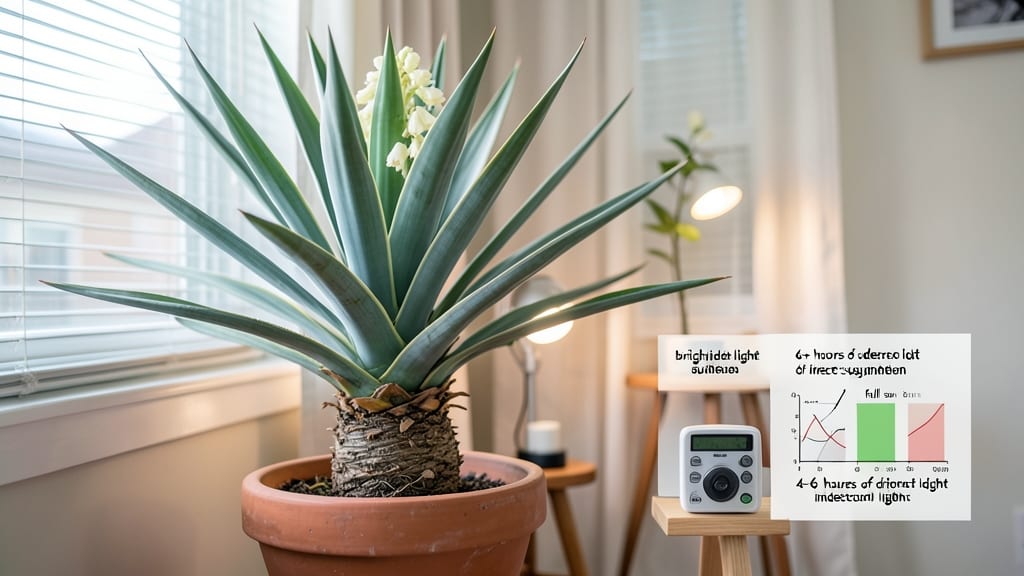
Need to know how much light a yucca plant 🌵 thrives in? The answer might surprise you—it’s not just about sunlight, but the right kind. Too little, and your plant will stretch awkwardly toward the window; too much, and those striking leaves can scorch.
I’ve watched yuccas go from limp to lush by tweaking their light exposure, and I’ll show you exactly how to get it perfect for your space.
Yuccas are sun worshippers, craving 6+ hours of direct light daily—whether outdoors in full sun or indoors near a south-facing window. But here’s the trick: they can handle intense afternoon rays in cooler climates, while hotter zones need a little afternoon shade to prevent leaf burn.
The key is balance, and I’ll break down how to spot when your yucca is begging for more (or less) light.
What if your home doesn’t get enough natural light? Don’t worry—grow lights can save the day. I’ll share my go-to setup for indoor yuccas, plus signs to watch for (like yellowing leaves or weak stems) that mean your plant’s light diet needs an adjustment.
Ready to give your yucca the perfect glow?
From outdoor beds to city apartments, I’ll cover the best spots for your yucca’s light needs—plus pro tips to keep it thriving year-round. Let’s make sure your plant gets exactly what it craves, so you can enjoy its dramatic, architectural beauty without the guesswork.


Ideal light requirements for yucca plants: sun exposure by type
Yucca plants are sun worshippers by nature, craving bright, direct light to maintain their striking appearance and robust health. Whether you're growing them indoors or outdoors, understanding their light requirements is the foundation for success.
These desert natives thrive in full sun, but their needs vary slightly between solid-green varieties and variegated types, which often require even more light to maintain their stunning color patterns.
For outdoor yucca plants, 6 to 8 hours of direct sunlight per day is ideal, especially in USDA Zones 5-10, where they can handle the intense midday sun.
In indoor settings, place your yucca near a south-facing window to mimic these conditions, as north-facing windows rarely provide enough light for optimal growth. Variegated yucca varieties, like Yucca elephantipes 'Variegata', need even more light—up to 10 hours daily—to prevent their leaves from reverting to solid green.
| Yucca Type | Indoor Light Needs | Outdoor Light Needs | Signs of Too Little Light |
|---|---|---|---|
| Solid Green (e.g., Yucca filamentosa) | 6+ hours bright light (South-facing window) |
6-8 hours full sun (Morning to afternoon) |
Leggy growth, pale leaves, weak stems |
| Variegated (e.g., Yucca 'Color Guard') | 8-10 hours bright light (Grow lights recommended) |
8+ hours full sun (All-day exposure) |
Green reverting, weak variegation, slow growth |
| Dwarf Varieties (e.g., Yucca rostrata) | 4-6 hours bright light (East or west window) |
4-6 hours sun (Partial shade in hot climates) |
Stunted growth, yellowing leaves |
Seasonal adjustments are key for outdoor yucca plants. In summer, when sunlight is most intense, provide afternoon shade in hot climates (like Zone 9 or 10) to prevent leaf scorch.
Conversely, in winter, extend their light exposure by moving potted yuccas closer to windows or supplementing with LED grow lights if indoors. Remember, yuccas are drought-tolerant, but they cannot tolerate low light—this is the #1 reason they fail in homes with dim lighting.
If you notice your yucca developing brown, crispy leaf tips, it’s often a sign of too much direct sunlight, especially in afternoon heat. To fix this, gradually acclimate your plant to full sun by placing it in dappled shade for a few weeks before moving it outdoors.
For indoor plants, rotate them quarter-turns weekly to ensure even light exposure, preventing lopsided growth toward the light source.
Variegated yucca plants are particularly sensitive to light deprivation. If their white or yellow stripes fade or turn green, they’re not getting enough light. In such cases, consider investing in full-spectrum LED grow lights (12-15 watts per square foot) to bridge the gap between natural light and their needs.
Place the light 6-12 inches above the plant and keep it on for 12-14 hours daily to mimic a long summer day.
For outdoor yucca plants in containers, ensure their pots are placed where they receive unobstructed sunlight for most of the day. If your patio or garden has shady spots, opt for dwarf yucca varieties like Yucca baccata, which tolerate partial shade better than their taller counterparts.
However, even these varieties will grow more slowly and look less vibrant in low-light conditions.
Pro tip: Use a light meter (or your phone’s light app) to measure 10,000-15,000 lux of light for optimal yucca growth. If your indoor space falls short, supplement with reflective surfaces like mirrors or white walls to bounce light toward your plant.
This simple trick can make a huge difference in your yucca’s health and appearance.
Lastly, monitor your yucca’s growth rate as a barometer for light success. A healthy yucca should produce new rosettes or flower stalks annually, with leaves remaining upright and firm. Slow growth or floppy leaves are red flags that your plant needs more light.
With the right sun exposure, your yucca will reward you with bold foliage, striking blooms, and years of low-maintenance beauty—all while thriving in conditions that mimic its desert origins. 🌵☀️
Signs your yucca isn’t getting the right light (and how to fix it)
Your yucca plant might be silently screaming for help if its leaves are turning yellow or developing brown tips. These are classic signs it’s not getting the right light—either too little or too much.
Yuccas are sun worshippers, but they can’t handle harsh midday rays without some protection. Let’s decode the signals and fix them before your plant throws in the towel.
First, check the leaf color. Healthy yucca leaves should be deep green with a slight blue-green tint. If they’re turning pale or yellow, your plant is begging for more sunlight.
On the flip side, crispy brown edges or bleached patches mean it’s getting too much direct sun, especially in hot climates. Even weak, leggy stems with sparse foliage scream "I need more light!"
🚨 callout warning 🚨
Yuccas thrive in 6+ hours of direct sunlight daily, making them perfect for south-facing windows or outdoor spots. In hot climates, afternoon shade (1-3 PM) prevents sunburn. Indoor yuccas near windows may need supplemental grow lights (12-14 hours/day) if natural light is insufficient. Variegated yuccas need even more light to maintain their striking patterns—they’re the divas of the plant world!
If your yucca is indoors, move it closer to the brightest window—south or west-facing is ideal. If that’s not an option, grow lights are a game-changer. A full-spectrum LED grow light (12-16 inches above the plant) for 12-14 hours/day mimics sunlight perfectly.
Rotate the plant quarter-turns weekly so it grows evenly, not lopsided toward the light.
For outdoor yuccas, watch the seasonal shifts. In summer, provide afternoon shade (3-5 PM) to avoid leaf scorch. In winter, if your yucca is in a container, bring it indoors near a sunny window or extend its daylight with a timer-controlled grow light.
Yuccas are tough, but they’re not invincible—light stress adds up over time.
Don’t forget to trim damaged leaves to encourage new growth. Use sterilized pruners to cut back brown or yellowed tips, and reduce watering slightly for stressed plants. Within 2-4 weeks, you should see fresh green growth if the light conditions improve.
Patience is key—yuccas are slow to bounce back, but they will reward you with bold, healthy foliage once they’re happy.
Pro tip: Test your light setup by observing your yucca’s growth rate. If it’s stagnant (no new leaves in 3+ months), it’s time to boost the light. A thriving yucca should add 1-2 new leaves per month in ideal conditions.
With the right light, your yucca will go from struggling survivor to stunning centerpiece in no time! 🌵