
Plants
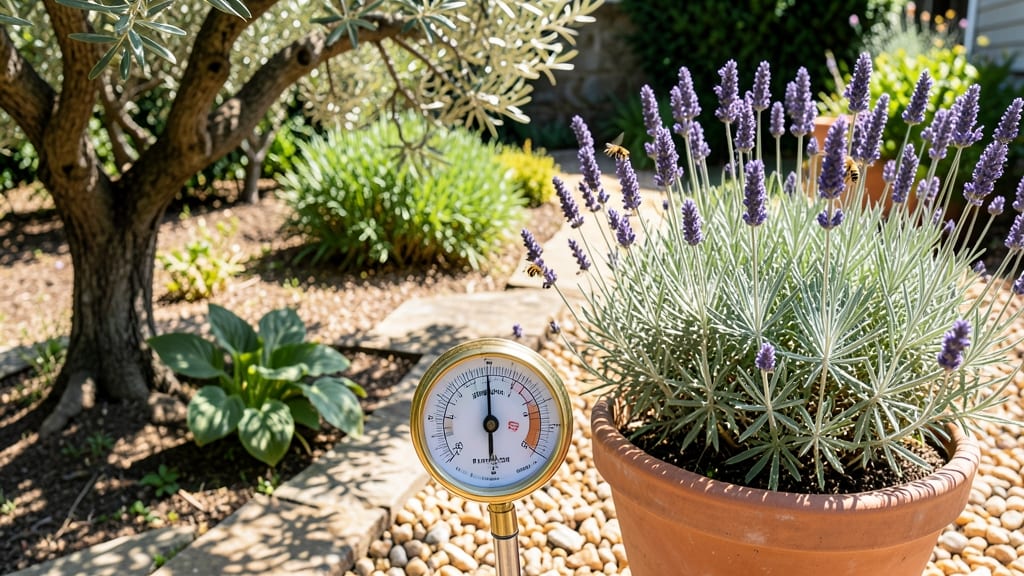
To grow thriving lavender with vibrant blooms and that signature fragrance, you need to nail how much light does a lavender plant need—and getting it wrong can mean weak stems or no flowers at all.
This hardy herb craves full sun exposure, but how much is just right? The answer depends on your climate, soil, and even the lavender variety you're growing.
Most lavender plants need at least 6-8 hours of direct sunlight daily, but in cooler regions like USDA Zone 6a, they can tolerate a little less—just not too much shade. Too little light leads to leggy growth, while too much can stress the plant, especially in hot summers.
Let’s break down the exact sunlight needs and how to adjust if your garden falls short.
If your lavender isn’t blooming or looks stretched out, it might be begging for more light—or struggling with too much heat. I’ll show you how to spot the signs and tweak your care routine for healthier growth, whether you’re growing it in containers or right in the ground.
Ready to transform your lavender from struggling to stunning? Let’s dive into the sunlight secrets that’ll make your 🌿 lavender thrive all season long.


Optimal sunlight requirements for healthy lavender growth
Lavender thrives under full sun exposure, but not all varieties have the same needs. English lavender (Lavandula angustifolia) is the most sun-hungry, while French lavender (Lavandula dentata) can tolerate slightly less intense light.
If your lavender isn’t blooming or looks leggy, it’s likely starving for sunlight. Let’s break down the exact requirements to keep your plants vibrant and fragrant.
Most lavender varieties need 6 to 8 hours of direct sunlight daily to produce their signature purple blooms and aromatic foliage. Without enough light, stems weaken, flowers become sparse, and plants develop a stretched, leggy growth habit.
Even partial shade can reduce fragrance intensity and delay flowering. Understanding these needs helps you position your lavender correctly in your garden or containers.
| Lavender Type | Ideal Sunlight | Minimum Tolerable | Signs of Too Little Light |
|---|---|---|---|
| English Lavender (L. angustifolia) | 6–8 hours full sun | 4 hours (partial shade) | Leggy stems, sparse blooms |
| French Lavender (L. dentata) | 5–7 hours full sun | 3 hours (partial shade) | Weak stems, fewer flowers |
| Spanish Lavender (L. stoechas) | 6–8 hours full sun | 4 hours (partial shade) | Stunted growth, pale leaves |
| Grosso Lavender (L. x intermedia) | 6–8 hours full sun | 4 hours (partial shade) | Floppy stems, weak fragrance |
In summer months, lavender can handle up to 10 hours of sunlight without stress, especially in cooler climates. However, in hot, humid regions like the American South, afternoon shade helps prevent leaf scorch.
If your lavender is in a container, move it to a shadier spot during peak afternoon heat (around 2 PM to 5 PM) to protect delicate foliage.
Winter brings shorter days, and lavender may receive only 4–5 hours of sunlight in many regions. This is normal, but avoid placing your plants in deep shade during this time.
Even partial shade in winter can weaken stems and reduce next year’s blooms. Use reflective surfaces like light-colored walls or mirrors to bounce extra light onto your lavender.
If your lavender is in a container or raised bed, rotate the pot every few weeks to ensure even sunlight exposure. Uneven light causes lopsided growth, where one side stretches toward the sun while the other remains weak.
This is especially common for French lavender, which is more adaptable but still benefits from balanced light.
Watch for yellowing leaves or stretched stems—these are clear signs your lavender needs more light. In extreme cases, insufficient sunlight can lead to no blooms at all, leaving you with just fragrant (but flowerless) foliage.
The good news? Moving lavender to a sunnier spot can often revive it within 4–6 weeks of proper light exposure.
For gardeners in cooler climates (USDA Zones 3–5), lavender can handle morning sun and afternoon shade, especially if protected from strong winds. In warmer zones (6–10), prioritize afternoon shade to prevent heat stress. Always monitor your plants’ response and adjust their placement as seasons change.
Pro tip: If your yard lacks full sun, consider dwarf lavender varieties like ‘Hidcote’ or ‘Munstead’, which tolerate partial shade better than standard types. These varieties still need at least 4–5 hours of direct sunlight, but they’re more forgiving if you’re working with limited space or shade.
Remember, lavender’s love for sunlight is non-negotiable for optimal fragrance and blooms. With the right light conditions, your lavender will reward you with vibrant purple spikes and an intoxicating scent that lasts all season long. 🌿☀️
Signs your lavender isn’t getting enough (or too much) light
If your lavender plants look leggy or sparse, light might be the culprit. Lavender thrives in full sun (6+ hours daily), and when it doesn’t get enough, it stretches toward light, weakening stems and reducing blooms.
Even too much intense afternoon sun can stress plants in hot climates, causing leaf scorch or wilting.
Watch for yellowing leaves or brown leaf tips, which signal light issues. Yellowing often means overwatering combined with low light, while crispy edges suggest excessive heat without shade relief. Both problems weaken your plant’s ability to produce those signature purple blooms.
Light Requirements for Lavender
| Light Condition | Daily Sunlight | Signs of Issue | Solution |
|---|---|---|---|
| Full Sun | 6+ hours | Vibrant blooms, strong stems | Ideal for most lavender varieties |
| Partial Shade | 3-5 hours | Leggy growth, few flowers | Use dwarf varieties like 'Hidcote' |
| Deep Shade | <2 hours | No blooms, weak stems | Move to sunnier spot or containers |
| Too Much Sun | >10 hours (hot climates) | Leaf scorch, wilting | Provide afternoon shade cloth |
"Lavender’s fragrance fades without proper light—keep it sunny but protected in extreme heat!"
To fix leggy growth, prune back overly stretched stems by one-third to encourage bushier growth. Then, move your lavender to a sunnier spot—even a few extra hours of morning sun can make a difference.
If relocating isn’t an option, try reflective surfaces like white gravel or mirrors to bounce light onto the plant.
For overcrowded plantings, thin out nearby plants or divide clumps every 3–4 years to improve air circulation and light penetration. Overcrowding blocks sunlight, forcing lavender to compete for resources. Space plants 18–24 inches apart for optimal airflow and light exposure.
In hot climates, afternoon shade becomes critical. Use shade cloth (30–50%) during peak heat (12–4 PM) to prevent leaf burn while still allowing plenty of morning sun. Mulch with gravel or pebbles to reflect sunlight and keep roots cool.
If your lavender still struggles, consider container gardening on a sunny patio or balcony. Containers let you move plants to follow the sun’s path, ensuring they get the 6+ hours of light they crave—without competing with shade from trees or buildings.