
Plants
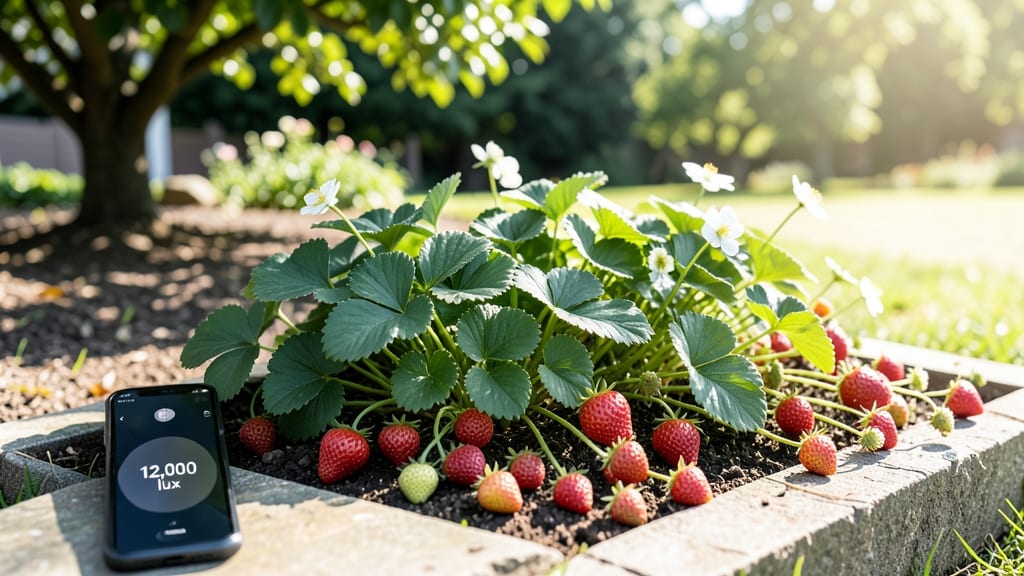
To grow juicy strawberries 🍓, you need to know how much light a strawberry plant needs—6 to 10 hours of sunlight daily is the sweet spot, but too much or too little can ruin your harvest.
I’ve learned the hard way that skipping this step means small, bland berries or plants that struggle to thrive.
Strawberries are sun-lovers, but they’re not as tough as tomatoes or peppers. Direct sunlight fuels their growth and sweetens those juicy fruits, but shade in the hottest afternoon can prevent sunburn. Whether you’re planting in containers or garden beds, understanding their light needs is the key to a bountiful season.
In this guide, I’ll break down exactly how much light strawberries need at each stage—from planting to fruiting—and how to adjust for shade tolerance in different climates.
You’ll also discover simple fixes for common light-related problems, like yellow leaves or stunted growth, so you can keep your plants happy and productive.
Ready to turn your garden into a strawberry paradise? Let’s dive into the sunlight secrets that’ll have you picking juicy, ripe berries all summer long.


Optimal sunlight hours for strawberry plants by variety and growth stage
Strawberries thrive when they receive the right amount of sunlight, but their needs change depending on the variety and growth stage. As a gardener, understanding these differences ensures your plants produce abundant, flavorful fruit.
Most strawberries need at least 6-10 hours of direct sunlight daily, but some varieties tolerate partial shade better than others.
For example, June-bearing strawberries produce all their fruit in one season and demand the most sunlight, while everbearing and day-neutral varieties are more flexible. Even within these categories, light requirements shift from planting to fruiting. Let’s break it down so you can optimize your strawberry patch for maximum yield.
🌱 Key Insight: Strawberries grown in containers often need more frequent light adjustments than in-ground plants due to limited root space and heat retention.
| Variety | Sunlight Needs | Planting Stage | Fruiting Stage | Shade Tolerance |
|---|---|---|---|---|
| June-bearing | 6-10 hours | 4-6 hours (min) | 8-10 hours (max) | Low |
| Everbearing | 6-8 hours | 4-5 hours (min) | 6-8 hours (flexible) | Moderate |
| Day-neutral | 5-8 hours | 3-4 hours (min) | 5-7 hours (flexible) | High |
| Alpine varieties | 4-6 hours | 3-4 hours (min) | 4-6 hours (min) | Very High |
June-bearing strawberries, like Jewel or Chandler, are the most demanding. During their planting stage, they can tolerate as little as 4-6 hours of sun, but once they start flowering, they need 8-10 hours to set fruit properly.
Without enough light, their flowers may drop, and berries will stay small or fail to ripen.
Everbearing varieties, such as Seascape or Ozark Beauty, are more adaptable. They produce fruit in two seasons—spring and fall—and can handle 6-8 hours of sunlight.
During the fruiting stage, they perform well with 6 hours of morning sun and 2 hours of afternoon shade, especially in hot climates.
Day-neutral strawberries, including Albion and Fort Laramie, are the most shade-tolerant. They continue producing fruit as long as temperatures stay mild and can thrive with just 5-7 hours of sunlight. This makes them ideal for container gardening on patios or balconies where full sun isn’t always available.
Alpine strawberries, like Mignonette, are perfect for shady gardens or woodland edges. They only need 4-6 hours of sunlight and can even tolerate dappled shade from trees. These varieties are smaller but produce sweet, intense-flavored berries, making them a great choice for ornamental gardens or small-space growers.
If you’re growing strawberries in containers, monitor their light exposure closely. Pots heat up faster and dry out quicker, so plants may need more frequent watering and adjusted shade during peak afternoon sun.
Use a light-colored container to reflect excess heat and consider placing pots on a drip irrigation system to maintain consistent moisture.
For in-ground strawberries, focus on south-facing beds to maximize sunlight exposure. If your garden has partial shade, prioritize planting everbearing or day-neutral varieties in sunnier spots and June-bearing varieties where they can get full sun.
Mulching with straw or wood chips helps retain soil moisture and keeps roots cool during hot afternoons.
🌞 Pro Tip: Rotate your strawberry plants every 2-3 years to prevent soil depletion and disease buildup. This also gives you the chance to adjust their light exposure by moving them to a sunnier or shadier spot as needed.
Signs of too much or too little light (and how to fix it)
Strawberries thrive with 6-10 hours of sunlight daily, but even a small shift can drastically affect your harvest. Too little light leads to weak plants and tiny berries, while too much causes leaf burn and stunted growth.
Learning to spot these visual stress signals is key to keeping your strawberries productive.
Start by checking your plants' leaf color. Healthy strawberry leaves are deep green, but watch for yellowing between veins—this is a classic sign of light deficiency.
Meanwhile, crispy, brown edges on leaves mean your plants are getting too much direct sun, especially during hot afternoons. Both conditions directly impact fruit quality.
Another red flag? Small, pale berries that never fully ripen. This usually means your plants aren't getting enough sunlight to develop properly. On the flip side, if your berries look overly large but bland in flavor, they might be getting excessive heat stress from too much sun exposure.
Ideal sunlight: 6-10 hours/day of direct sun
Deficiency signs: Yellow leaves, weak stems, tiny berries
Excess signs: Brown leaf edges, crispy foliage, sunburnt patches
Fix it: Move plants to partial shade (30-50% sunlight) or use shade cloth if in hot climates. For too little light, relocate to sunnier spots or supplement with grow lights.
If your strawberries are struggling with too much light, try providing afternoon shade using a lightweight shade cloth (30-50% coverage). This protects leaves from intense midday rays while still allowing enough light for photosynthesis. For container-grown strawberries, rotate pots weekly to ensure even sun exposure.
For plants getting insufficient sunlight, consider moving them to a sunnier location or adding reflective surfaces like white walls or mirrors nearby to bounce extra light onto the plants.
If you're growing in containers, choose larger pots to accommodate deeper root systems that can reach more nutrients when light is limited.
Remember, strawberries are perennial plants, so their light needs change with seasons. In summer months, they may need afternoon shade, while spring and fall often provide perfect light conditions. Regularly monitor your plants and adjust their placement as needed to maintain that sweet balance of sunlight. 🌱
Pro tip: Use a sunlight tracker to log daily light exposure. Note when berries start forming—this is when they need the most light. With these adjustments, you'll be on your way to a bountiful strawberry harvest every season. ☀️