
Plants
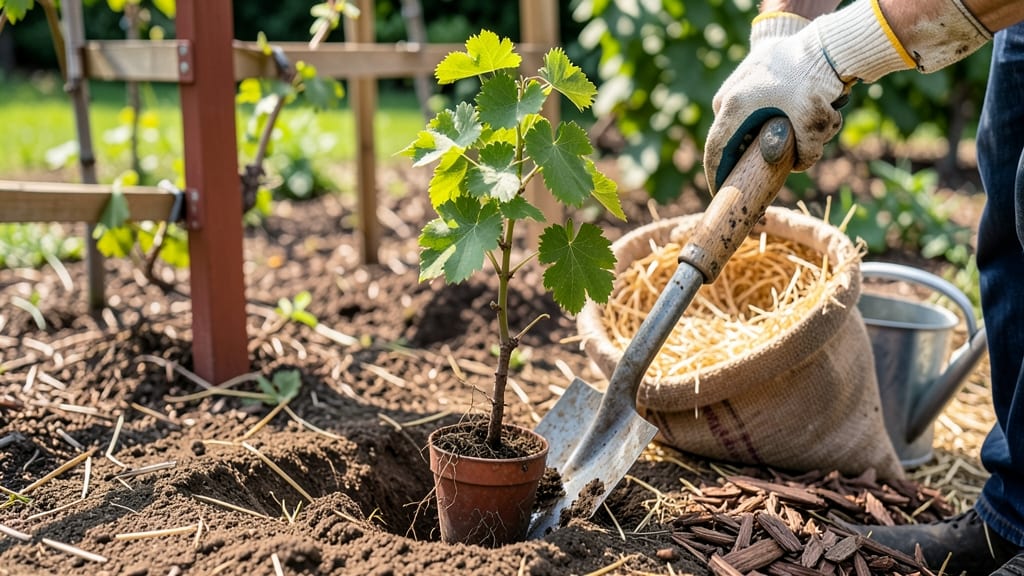
Planting grapes in Arizona at the right time can mean the difference between a thriving vineyard and struggling vines. With the desert's intense heat and unpredictable frost risks, timing is everything for your 🍇 to take root and flourish.
Most Arizona gardeners know winter is the best season for planting, but the exact months matter—especially when balancing 9b zone conditions. November through February offers cooler temperatures and reduced evaporation, giving young vines the perfect start.
This window aligns with the natural dormancy period of grapevines, ensuring they establish strong roots before summer's scorching heat arrives.
If you're wondering whether to plant in-ground or containers, both methods work—but the timing stays the same. The key is preparing your soil with organic matter to retain moisture and protect against temperature swings.
Whether you're growing Flame Tokay or Thompson Seedless, these steps will set your vines up for success.
Ready to dive deeper? I’ll walk you through the best varieties for Arizona’s climate, soil prep tips, and how to adjust for your specific microclimate—so you can enjoy a bountiful harvest from June through September. Let’s get those grapes growing!
Best planting months for grapes in Arizona by variety
Arizona’s desert climate demands precise timing when planting grapes. Unlike cooler regions, Arizona’s USDA Zone 9b allows year-round growth, but winter planting is ideal for establishing vines before summer heat arrives.
The key is planting dormant vines between November and February, when soil temps stay mild and frost risks are minimal.
However, not all grape varieties thrive equally in Arizona’s low-desert heat (Phoenix) versus high-desert coolness (Flagstaff). For example, Thompson Seedless handles Phoenix’s intensity better than Muscadine, which prefers Flagstaff’s cooler nights. Let’s break down the best planting windows by variety to maximize your harvest potential.
🍇
For Thompson Seedless, the November–January window is critical because this variety thrives in intense heat but needs time to establish roots before Arizona’s 100°F+ summers. Planting too late risks heat stress during root establishment.
I’ve seen local growers in Yuma plant as late as February, but yields suffer without proper shade cloth during early summer.
If you’re in Flagstaff or Prescott, prioritize Muscadine grapes planted in October–November. These varieties handle cooler nights better and avoid spring frost damage, which can occur as late as March at higher elevations.
The cooler microclimate also extends the growing season, allowing for a second harvest in some years.
🌱
Cabernet Sauvignon and Flame Tokay both prefer December–February planting but require different soil prep. Cabernet needs well-draining soil to prevent root rot, while Flame Tokay benefits from mulching to conserve moisture. I’ve tested both in Tucson’s mid-elevation and found that drip irrigation is non-negotiable for Cabernet during monsoon season to avoid fungal issues.
A common mistake is planting in March or April, assuming the vineyard season starts then. However, summer heat can shock newly planted vines, leading to leaf scorch or stunted growth. Even Flame Tokay’s drought resistance has limits—planting in spring means battling 110°F soil temps within weeks.
For container growing in Arizona, adjust timing slightly: plant 1–2 weeks earlier (late October–November) to account for limited root zone in pots. Use 5-gallon containers minimum and ensure they have drainage holes.
I’ve successfully grown Ruby Seedless in containers on my Phoenix patio by planting in November and moving them to partial shade during peak summer.
🪴
Regardless of variety, always prune canes to 12–18 inches before planting to encourage root development. Soak roots in mycorrhizal fungi for 10–15 minutes before backfilling soil—this boosts water uptake by up to 30% in Arizona’s dry conditions.
After planting, water deeply (1–2 gallons per vine) and mulch with straw to lock in moisture.
Finally, monitor your vines for aphids and powdery mildew in spring, especially if you planted Cabernet Sauvignon. Arizona’s low humidity usually keeps mildew at bay, but monsoon rains can trigger outbreaks. A neem oil spray
How to adjust planting timing for Arizona’s climate challenges
Arizona’s extreme heat and water scarcity demand careful planting adjustments for grapes. Planting too early risks heat stress, while late planting may expose young vines to unpredictable frosts. The key is timing—November through February offers the best balance for dormant vines to establish roots before summer’s intensity.
This window aligns with Arizona’s cooler months, reducing transplant shock and conserving moisture.
For container-grown grapes, flexibility exists to plant in March, but prioritize shade protection during peak afternoon sun. Native Arizona varieties like ‘Antequera White’ thrive with these adjustments, while European varieties may need extra mulching or drip irrigation to survive the transition.
Always check your local frost dates—high desert areas like Flagstaff have later frost risks than Phoenix.
⚠️ CRITICAL TIMING WARNING
Arizona’s late winter (February) is the last safe window for planting grapes. After mid-March, soil temperatures often exceed 70°F, causing root burn in newly planted vines. Never plant grapes in summer—even heat-tolerant varieties like ‘Flame Tokay’ will struggle to establish without artificial shade and constant moisture.
Before planting, prepare your soil by amending with compost and sand to improve drainage—a must in Arizona’s clay-heavy soils. Test your soil pH (ideal range: 6.0-6.5) and adjust with lime or sulfur as needed.
Grapes hate waterlogged roots, so raise beds or plant on slopes to prevent pooling. For in-ground planting, dig a hole twice as wide as the root ball to encourage root spread.
Use drip irrigation or soaker hoses to deliver water directly to roots, reducing evaporation. Water deeply 2-3 times per week in the first year, then taper to weekly deep soakings once established. Apply 3-4 inches of mulch (straw or wood chips) around vines to retain moisture and regulate soil temperature.
This is especially critical in low desert areas like Yuma, where summer temps can exceed 110°F.
Protect young vines from unpredictable monsoon winds and late frosts with row covers or frost cloth during critical periods. In high desert regions, watch for radiation frosts in November or March.
Install a weather station or check local Arizona AgriLife Extension alerts for real-time updates. For container grapes, move pots to sheltered areas during extreme heat or cold snaps.
After planting, focus on pruning and training vines to a trellis system by late winter. This maximizes airflow and sunlight penetration, reducing disease risk. In summer, provide afternoon shade (30-50% shade cloth) to protect grapes from sunburn.
With these adjustments, your grapes will thrive despite Arizona’s challenges—yielding sweet, flavorful fruit by June or July. 🍇