
Plants
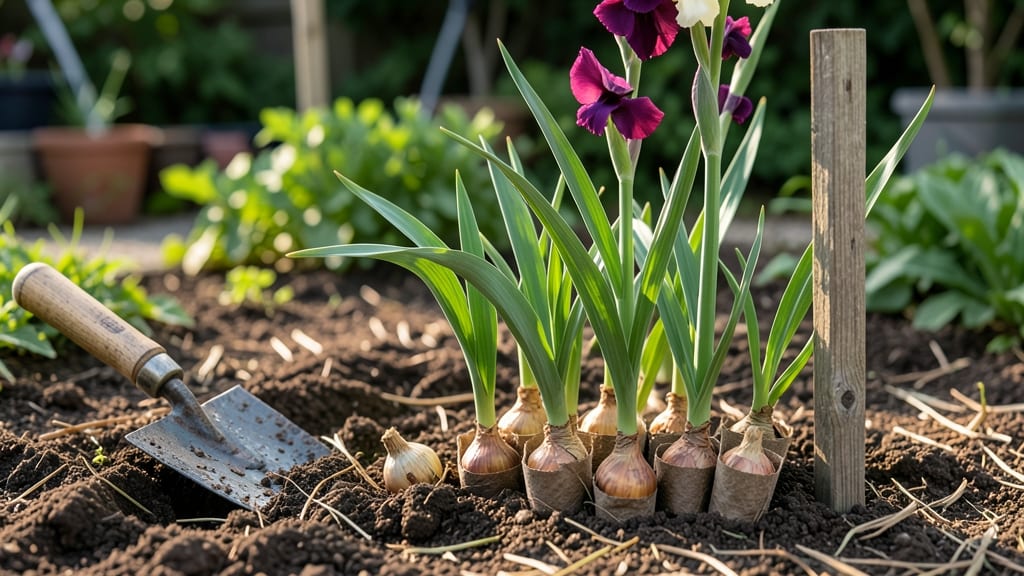
Timing your gladiolus planting in Maine is the difference between dramatic summer blooms and a wasted effort—because those 🌸 spikes won’t forgive a late start or a hasty finish.
With frost lingering until mid-May in most of the state, you’ve got a narrow window to get corms in the ground just right.
Here’s the trick: Planting too early risks frost damage, while waiting too long cuts your bloom season short. The ideal moment is mid-to-late May, once soil temperatures hit 55°F and nighttime lows stay above 40°F.
But don’t just guess—adjust for your microclimate, whether you’re in Portland’s coastal warmth or a rural Zone 5b area.
What you’ll discover in this guide is how to align your planting with Maine’s unpredictable weather, plus the best gladiolus varieties for our short season. From soil prep to staggered plantings, I’ll show you exactly how to turn your garden into a bold, late-summer spectacle—without the stress.
Let’s skip the guesswork and get those corms in the ground at the perfect moment for maximum blooms and minimum fuss. Your future self (and your neighbors) will thank you.
Maine’s ideal gladiolus planting timeline by frost-free Zone
Timing is everything when planting gladiolus in Maine, where frost-free dates can shift by weeks between coastal cities like Portland and inland areas near Bangor. The key is planting 4-6 weeks before your last frost—typically mid-May—but soil temperature matters just as much.
Cold soil slows root growth, so aim for 60°F+ soil temps before sticking those corms in the ground. Rural areas often get frost later than cities, so adjust accordingly.
Maine’s USDA Zones 4-5 create microclimates where last frost dates vary by 10-14 days. Coastal regions like Portland (Zone 5b) usually see their last frost around May 10-15, while inland Bangor (Zone 5a) can hold frost until May 20-25.
Planting too early risks frost damage to emerging shoots, while waiting too long cuts your bloom season short. The sweet spot? Late April to early May for most varieties.
Here’s how to align your planting with Maine’s frost-free zones, including soil temperature thresholds and variety-specific timing for early, mid-, and late-season blooms:
For Portland gardeners, early varieties like ‘Picasso’ should hit the soil by late April to bloom in July, while ‘Black Star’ planted by May 1 will reward you with September blooms.
In Bangor, wait until May 1 for early varieties to avoid frost, and stagger plantings every 2-3 weeks to extend your season. Rural areas with Zone 4 conditions should start no earlier than May 15, focusing on late-blooming varieties like ‘Pink Parfait’ for fall color.
Pro tip: Use a soil thermometer to confirm temps before planting—cold soil delays growth. If your May starts chilly, opt for container gardening near a south-facing wall to warm the soil faster.
This works especially well in Portland’s coastal breeze, where soil can stay cooler longer. Mulch with straw or shredded leaves after planting to maintain consistent soil temps and prevent temperature swings.
Don’t forget that gladiolus corms need full sun (6+ hours daily), so choose a spot that gets uninterrupted sunlight from morning to afternoon. In Maine, this often means south-facing gardens or raised beds, which warm up faster than shaded areas.
If your yard lacks ideal sunlight, consider reflective surfaces like white gravel or light-colored mulch to maximize light exposure.
For a foolproof timeline, mark your calendar for May 1 as your target start date, then adjust based on your last frost date. If you’re unsure, check local Cooperative Extension Service reports or use a frost calendar app like Old Farmer’s Almanac.
Planting 4-6 weeks before frost ensures roots establish before summer heat arrives, setting your gladiolus up for bold, long-lasting blooms.
Once planted, water deeply once a week (more in dry spells) and fertilize lightly with a balanced 10-10-10 mix after shoots emerge. Avoid overwatering—gladiolus hate soggy soil, which leads to rot and fungal diseases.
In August, reduce watering to prep corms for dormancy, then dig them up before first frost to store indoors over winter. This simple step ensures you’ll have healthy corms for next year’s
Best gladiolus varieties for Maine’s short season and how to stagger plantings
Maine’s brief growing season means every week counts when planting gladiolus. The right varieties and staggered plantings can transform your garden into a nonstop floral display from July through October.
I’ve tested the best performers that thrive in our cool summers and resist common Maine pests like thrips and botrytis.
Key to success is selecting early-, mid-, and late-blooming varieties. This ensures continuous color when one batch finishes before the next begins. For example, my ‘Picasso’ gladiolus blooms in early July, while ‘Black Star’ holds out until late September—perfect for extending your season.
Here are my top 5 gladiolus varieties ranked by bloom time, heat tolerance, and disease resistance:
‘Picasso’ (Early July) – Vibrant red-and-yellow blooms that thrive in Maine’s cool summers. Its thrip resistance makes it a top choice for our gardens. Plant these first in early May for July blooms.
‘Green Star’ (Mid-July) – A disease-resistant variety with striking green-and-white flowers. This mid-season performer bridges the gap between early and late bloomers, ensuring no floral lull.
‘Attraction’ Series (Late July) – Available in multiple colors, these heat-tolerant varieties handle Maine’s occasional summer heat waves. Their compact size (3-4 ft) makes them ideal for smaller gardens.
‘Black Star’ (Late September) – The late-season champion with dramatic deep purple blooms. Plant these last in early June to enjoy their show when other varieties have faded.
To create a continuous bloom display, plant each variety 3 weeks apart. Start with ‘Picasso’ in early May, followed by ‘Green Star’ in late May, ‘Attraction’ in early June, and ‘Black Star’ in early July. This strategy ensures nonstop color from July through October.
Pro tip: Mark your planting dates on a garden calendar to avoid confusion. And remember, Maine’s short season rewards precise timing—don’t wait until June to plant your first batch! 🌸