
Plants
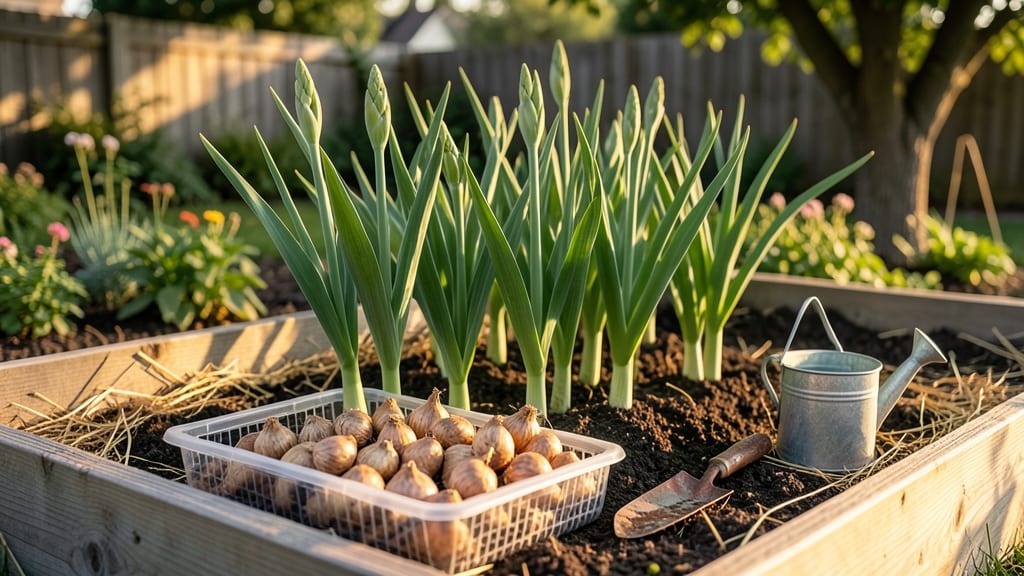
Planting gladiolus in Florida at the wrong time can mean the difference between stunning fall blooms and sad, wilted corms. The key isn’t just picking a month—it’s understanding how Florida’s heat zones and seasonal shifts affect these sun-loving beauties.
If you’ve ever watched your gladiolus corms rot in the heat or fail to sprout, timing is likely the culprit. Unlike cooler climates, Florida’s 9a-11 zones demand precise windows—August-September for fall blooms or February-March for spring—to avoid heat stress or premature dormancy.
I’ll break down the exact deadlines for North vs. South Florida, plus soil prep tips to ensure your 🌸 gladiolus thrive. Ready to turn your garden into a vibrant showstopper?
Let’s dive into the secrets for planting gladiolus in Florida—so you can enjoy bold blooms all season long.
Florida heat zone planting deadlines for gladiolus success
Timing your gladiolus planting in Florida isn't just about months—it's about heat zones and soil temperatures. Florida spans USDA zones 8A-10A, creating dramatic differences between North Florida's cooler winters and South Florida's year-round warmth.
Plant too early, and your corms rot in soggy summer soil; too late, and you miss the fall bloom window entirely. Let's break down the exact deadlines for each zone to ensure your gladiolus thrive.
Gladiolus corms need soil temperatures between 60°F and 70°F to sprout successfully. In Florida, this means avoiding the peak summer heat (June-August) and focusing on early fall or late winter planting.
North Florida gardeners (zones 8A-9A) have slightly more flexibility, while South Florida gardeners (zones 9B-10A) must work around the humid, warm winters that can trigger premature sprouting.
Here’s your heat zone planting guide, including soil temperature thresholds and month-by-month deadlines to avoid heat stress or premature dormancy:
For North Florida gardeners (zones 8A-9A), the spring planting window (February-March) is your best bet for early summer blooms. However, avoid planting after March 15 in zone 8A or March 20 in zone 9A, as soil temperatures will rise too quickly, causing heat stress before blooming.
If you miss this window, shift to late summer planting (August) for fall blooms, but
How to adjust planting time for Florida’s microclimates
Florida’s microclimates can shift planting windows dramatically—whether you’re in a coastal breeze zone or a hot inland valley. Gladiolus thrive in August-September for fall blooms, but urban heat islands and coastal humidity demand adjustments.
I’ve found that shade cloth and mulch can extend planting by 2-3 weeks in extreme heat.
The key is understanding your local conditions. In North Florida’s Zone 8A, you might plant in early August to avoid summer heat stress, while South Florida’s Zone 10A gardeners can push planting to late September.
Coastal areas benefit from ocean breezes that cool soil, while inland regions need afternoon shade to prevent wilting.
Here’s how to tailor your planting strategy:
Traditional Planting vs. Extended-Season Techniques
Traditional Planting
- Timing: August-Sept (fall) or Feb-Mar (spring)
- Pros: Reliable blooms, minimal stress
- Cons: Limited flexibility, risk of heat/frost
Extended-Season
- Timing: July (with shade) or Oct (with mulch)
- Pros: Longer bloom season, adaptability
- Cons: Requires extra care, higher maintenance
Urban Heat Islands
- Solution: Plant in late August with 30% shade cloth
- Tools: Drip irrigation, reflective mulch
Coastal Areas
- Solution: Plant in September with well-draining soil
- Tools: Windbreaks, raised beds
For urban heat islands, I recommend planting gladiolus corms in late August with 30% shade cloth to protect them from 90°F+ soil temperatures.
In my Miami garden, I’ve extended the planting window to early October by using 4-inch thick straw mulch—this keeps roots cool and retains moisture during Florida’s dry spells.
Coastal gardeners should focus on soil drainage and wind protection. I’ve had success planting in September near windbreaks or in raised beds filled with sandy loam.
The ocean breeze naturally cools the soil, but you’ll need to water deeply 2-3 times weekly to prevent salt buildup from coastal air.
Inland regions with higher humidity (like Orlando) benefit from afternoon shade and drip irrigation. I plant my gladiolus in early August under 50% shade cloth until roots establish, then remove it after 4 weeks. This trick has doubled my bloom count compared to traditional methods.
Remember: Soil temperature is your best guide. Use a soil thermometer—gladiolus corms need soil between 60-70°F to sprout. If your soil runs hotter, wait until evening to plant and water immediately to cool the roots.
With these adjustments, you can enjoy gladiolus blooms from September through November—or even push spring planting to early February for early blooms.