
Plants
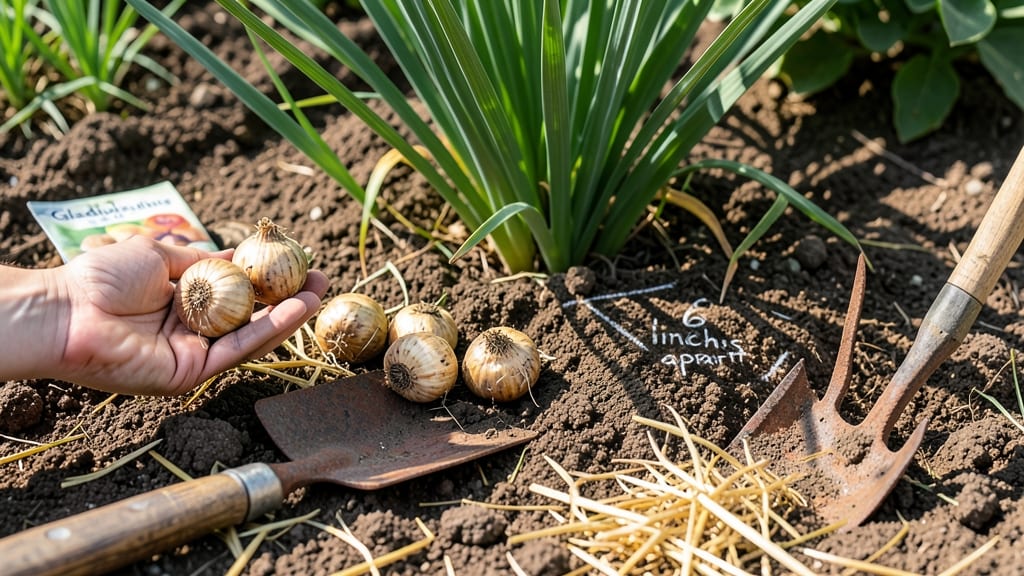
Timing gladiolus planting in Colorado can feel like a high-stakes game of chance—one wrong move, and your 🌸 gladiolus could freeze before blooming or bolt in the heat. The key? Planting between mid-April and mid-June, when soil temperatures hit 50–60°F and frost risks fade.
But here’s the catch: Colorado’s elevation changes everything. A Denver garden (zone 5–6) has a different deadline than a high-altitude plot near 10,000 feet. I’ll break down the exact window for your location, so you can avoid the common mistakes that leave gardens looking bare.
You’ll also discover how to stretch your planting season with simple tricks—like using black plastic mulch or row covers—to give your gladiolus a head start or extend blooms into fall. No more guessing whether your July–September color show will flop.
Ready to transform your garden into a bloom-filled masterpiece? Let’s dive into the science-backed schedule tailored for Colorado’s unique climate.
Colorado gladiolus planting dates by elevation: frost-free deadlines & soil temperature rules
Colorado’s dramatic elevation shifts create wildly different planting windows for gladiolus. At 3,000–5,000 feet (lowland), you’ll plant 2–3 weeks earlier than at 7,000+ feet (high-altitude). The key?
Waiting until soil warms to 50–60°F and after the last frost date—both of which shift dramatically with elevation. Let’s break down the exact timing for your zone.
Gladiolus corms thrive when planted in warm soil and stable temperatures. In Colorado, this typically means mid-April to mid-June, but your exact window depends on elevation.
For example, Denver (5,280 ft) has a 4-week difference in frost-free dates compared to Grand Junction (4,800 ft). Use these rules to avoid frost damage or missed blooms.
Soil temperature is your most reliable guide. Gladiolus corms won’t sprout until soil reaches 50°F, but ideal planting occurs at 55–60°F. Use a soil thermometer to confirm—especially in high-altitude areas where cool nights delay warming. In USDA zones 4–5 (common in Colorado), aim for after May 1 unless you’re using cold protection.
Lowland zones (3,000–5,000 ft)—like the Front Range foothills or Colorado Springs—have the earliest windows. Here, you can plant as early as late March to early April if soil is workable. However, last frost dates in these areas average April 15, so wait until after that date to avoid frost kill. Varieties like ‘Green Star’ thrive in these warmer microclimates.
Mid-elevation (5,000–7,000 ft), including Denver and most mountain towns, require patience. Soil warms slower, and frost lingers until May 1–15. Plant mid-April to early May, but monitor forecasts—late frosts in May can still damage tender shoots. ‘White Prosperity’ is a cold-hardy pick for these zones.
High-altitude (7,000+ ft), such as Aspen or Leadville, demand the latest planting. Soil may not reach 50°F until mid-May, and frost can occur until June 1. Plant late May to early June for summer blooms, focusing on late-season varieties like ‘Black Pearl’ that tolerate cooler temps.
For fall blooms, plant corms in late July to early August—this works best in lowland zones where soil stays warm. High-altitude gardeners should skip fall planting, as corms won’t mature before frost. Always plant 4–6 inches deep and 6 inches apart for optimal airflow and drainage.
Pro tip: Use black plastic mulch to warm soil faster in cooler zones. This can push your planting window 2–3 weeks earlier by raising soil temps by 5–10°F.
Just remove it once blooms appear to avoid overheating. In high-altitude areas, row covers can extend the window by 1–2 weeks in spring.
Missed the spring window? Don’t despair—late varieties can still bloom if planted by early July. These won’t flower until late August to September, but they’ll add color to your garden’s final act. Just choose heat-tolerant cultivars like ‘Safari Sunset’ to handle Colorado’s summer heat.
Remember: Soil temperature > calendar dates. Even if it’s May, if your soil is still below 50°F, wait. Use a soil thermometer for accuracy—it’s the only way to guarantee your gladiolus corms sprout reliably. Happy planting! 🌸
How to extend gladiolus season in Colorado: cold protection & early/late planting hacks
Colorado’s unpredictable frost dates and high-altitude chill can shorten your gladiolus season if you don’t act strategically. But with the right cold protection methods, you can push blooms 2–3 weeks earlier or even extend them into late summer.
Whether you’re in Denver or the mountains, these hacks will help you beat the clock.
For early blooms, focus on soil warming and microclimate control. Black plastic mulch, for example, can raise soil temperatures by 10–15°F, allowing you to plant 2–3 weeks before the traditional window.
Meanwhile, row covers or cold frames protect tender shoots from late frosts, giving your gladiolus a head start.
⚠️ WARNING: Colorado’s Frost Risks ⚠️
Planting gladiolus corms too early risks frost damage or rot in cold, wet soil. Even with protection, hardened corms (pre-chilled for 4–6 weeks at 40–50°F) are 30% more frost-resistant. Skip hardening, and you’re gambling with 50–70% bloom loss in high-altitude zones (7,000+ ft).
✅ Safe Early Planting Window: 2–3 weeks before last frost only if soil temps hit 50°F+ consistently. Use soil thermometers—never guess!
🌱 Pro Tip: Test soil moisture before planting. Damp soil = rot risk; dry soil = stress. Aim for moist but not soggy.
If you’re aiming for late-season color, try fall planting in August–September. Choose heat-tolerant varieties like ‘Black Pearl’ or ‘Green Star’, which thrive in Colorado’s short summers. Plant corms 6 inches deep and mulch heavily with straw or leaves to insulate roots.
This trick works best in USDA Zone 6+, where winters are mild enough to avoid winter kill.
For high-altitude gardens (7,000+ ft), hardening corms is non-negotiable. Place corms in a mesh bag and refrigerate for 4–6 weeks before planting. This mimics winter dormancy and boosts cold tolerance by 20–30%.
Pair this with rock mulch (not organic) to reflect heat and prevent soil heaving during freeze-thaw cycles.
Don’t overlook row covers for late-spring protection. Lightweight floating row covers (like Reemay) let sunlight through while trapping 5–10°F of heat. Remove them during daytime warmth to prevent heat stress.
For extended late blooms, use hoop houses or low tunnels to shield plants from early October frosts.
Balance risk with reward: Black plastic mulch warms soil fastest but can overheat roots in 90°F+ spells. Straw mulch is gentler but slower to warm. Test both in a small patch first—your gladiolus blooms will thank you with longer, more vibrant displays. 🌸