
Plants
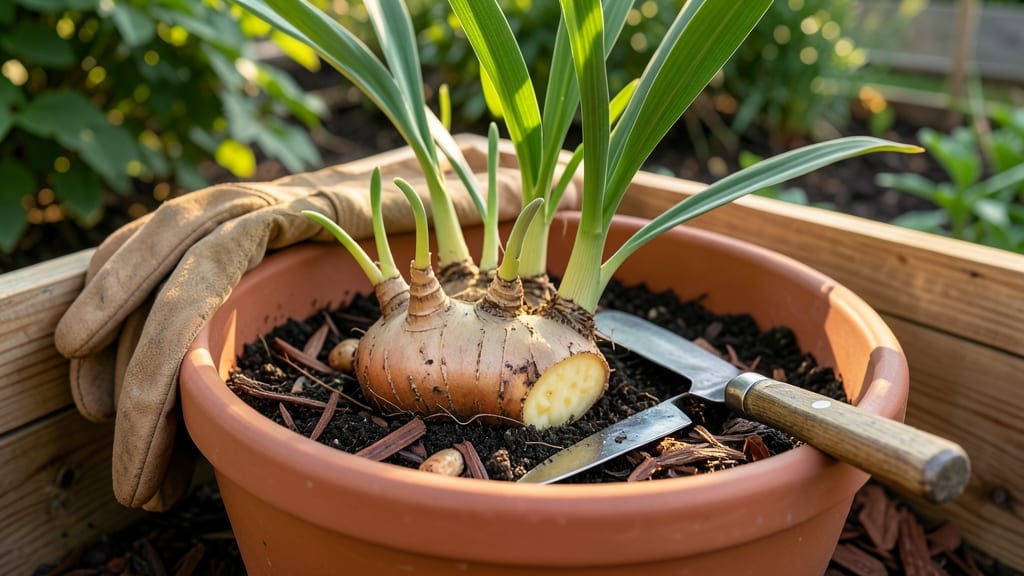
Planting ginger in Zone 8 at the wrong time can mean the difference between a thriving harvest and wasted effort. The key to success lies in waiting for soil temperatures to reach 55°F–60°F, which typically happens in late winter to early spring—around February to March.
If you plant too soon, frost will damage those delicate rhizomes, while waiting too long may stunt their growth before the growing season kicks in.
Ginger 🌿 isn’t like your average garden plant—it thrives when the earth warms up, signaling it’s time to wake from dormancy. In Zone 8, where last frosts can linger until mid-February, timing is everything.
You’ll want to avoid rushing, as cold soil slows root development, but also not delay until summer heat sets in. The sweet spot? When weeds like chickweed start sprouting—nature’s way of telling you the ground is ready.
Here’s the game-changer: most gardeners in Zone 8 plant ginger rhizomes 2 inches deep once soil temps hit that ideal range. But don’t just guess—use a simple soil thermometer to confirm.
Mulching with straw or leaves afterward helps retain warmth and moisture, giving your ginger the best possible start. With the right timing, you’ll be harvesting plump, flavorful rhizomes by fall.
Whether you’re a first-timer or a seasoned gardener, getting this step right ensures your ginger plants grow strong and productive. Let’s break down exactly how to read your soil’s signals and avoid common mistakes that could sabotage your harvest.

Zone 8 ginger planting timeline based on soil temperature
Ginger thrives in Zone 8 but requires precise timing to establish strong rhizomes. Unlike cold-hardy crops, ginger needs soil temperatures between 55°F–60°F to sprout successfully. Planting too early risks frost damage, while waiting too long may delay growth.
Let’s break down the ideal planting window and soil warmth triggers for your Zone 8 garden.
Ginger is grown from rhizomes (not seeds), which must warm up before sprouting. In Zone 8a/8b, the last frost typically occurs around mid-February to early March, but soil warmth lags behind air temperature.
This delay is critical—ginger rhizomes won’t sprout until the soil reaches 55°F consistently for at least 3–4 days.
Soil temperature is the real game-changer. A soil thermometer (available for ~$10) is your best tool. Bury it 2 inches deep (ginger’s planting depth) and monitor readings daily. If your soil dips below 55°F at night, delay planting until temperatures stabilize.
Here’s the Zone 8 ginger planting timeline based on soil warmth and microclimates:
Spring planting is the most reliable method in Zone 8. Aim for late February to early April, but verify soil warmth first. For example, in Zone 8a (colder), wait until mid-March—even if air temperatures feel spring-like.
In Zone 8b (warmer), you can plant as early as late February in sheltered microclimates.
Fall planting is riskier but possible if you act quickly. Plant rhizomes in late August when soil is still warm (60°F+). This gives them 8–10 weeks to establish roots before winter. However, avoid planting after early September—ginger needs time to sprout before cooler temps set in.
Microclimates play a huge role. A south-facing bed warms up faster than a north-facing one. If your garden has partial shade (ginger’s preference), soil may stay cooler longer.
In these spots, delay planting by 1–2 weeks compared to sunny areas. Conversely, raised beds warm up quicker—plant 2 weeks earlier if using them.
Pro tip: Use black plastic mulch to warm soil faster. Lay it down 2–3 weeks before planting to raise soil temps by 5–10°F. This trick lets you plant ginger in early February even in cooler Zone 8a areas. Just remove the mulch after planting to prevent overheating.
Once planted, maintain consistent moisture—ginger rhizomes rot in soggy soil. Water deeply 2–3 times per week until leaves emerge, then taper to weekly waterings once established. Mulch with straw or leaves to insulate roots and retain moisture.
Timing your ginger planting around soil temperature—not just air temperature—is the secret to robust rhizomes. With these Zone 8 guidelines, you’ll avoid the pitfalls of frost damage or stunted growth and enjoy a bountiful harvest by fall.
Signs your Zone 8 soil is ready for ginger planting (and how to test it)
Ginger thrives when your Zone 8 soil reaches the perfect balance of warmth and moisture. Testing your soil isn’t just about guessing—it’s about giving your rhizomes the ideal conditions to sprout and grow.
Cold soil can shock ginger roots, while soil that’s too warm may dry out too quickly. Here’s how to tell when your garden is ready for action.
Start by checking for sprouting weeds like crabgrass or chickweed—these are nature’s way of telling you the soil has warmed enough for planting.
Earthworms are another great sign: if you see them actively moving in your garden bed, your soil temperature is likely between 55°F and 60°F, the sweet spot for ginger. Dig a small hole and feel the soil—it should be warm to the touch but not scorching.
- Soil Temperature: Use a soil thermometer to confirm 55°F–60°F at 2-inch depth. This is ginger’s ideal range for root establishment.
- Moisture Level: Test with a moisture meter—ginger prefers consistently damp soil (40–60% moisture). Stick your finger in: soil should feel like a wrung-out sponge.
- Weed Activity: Weeds sprouting (e.g., dandelions, clover) signal soil warmth. Choose a cloudy day to plant—soil stays cooler and retains moisture better.
- Earthworm Signs: Active worms mean healthy microbial life. Dig gently: 3–5 worms per square foot is a great sign for ginger growth.
- Last Frost Date: In Zone 8, wait until after March 1 (8a) or April 1 (8b). Use a frost calendar for your exact location.
For a foolproof test, bury a soil thermometer at a 2-inch depth for 24 hours. If it reads between 55°F and 60°F, your soil is ready. Pro tip: Morning is the best time to test—soil temperatures fluctuate less than in the afternoon heat.
If your soil feels too cold, cover it with black plastic mulch for 1–2 weeks to warm it up naturally.
Don’t rely on calendar dates alone—microclimates in Zone 8 can vary wildly. A south-facing bed warms up faster than a north-facing one, so adjust your planting timeline accordingly. If you’re unsure, opt for container planting: pots warm up quicker and give you more control over soil conditions.
Once you’ve confirmed your soil is ready, plant your ginger rhizomes 2 inches deep, spacing them 6–8 inches apart. Water them deeply right after planting to help them establish roots in the warm soil. Within 2–3 weeks, you should see sprouts emerging—a sure sign your timing was perfect.
Remember, ginger is a warm-season crop, so patience pays off. Rushing into planting too early can lead to stunted growth or even root rot. Trust the soil’s signals, and your ginger will reward you with plump, flavorful rhizomes by fall. Happy planting! 🌱