
Plants
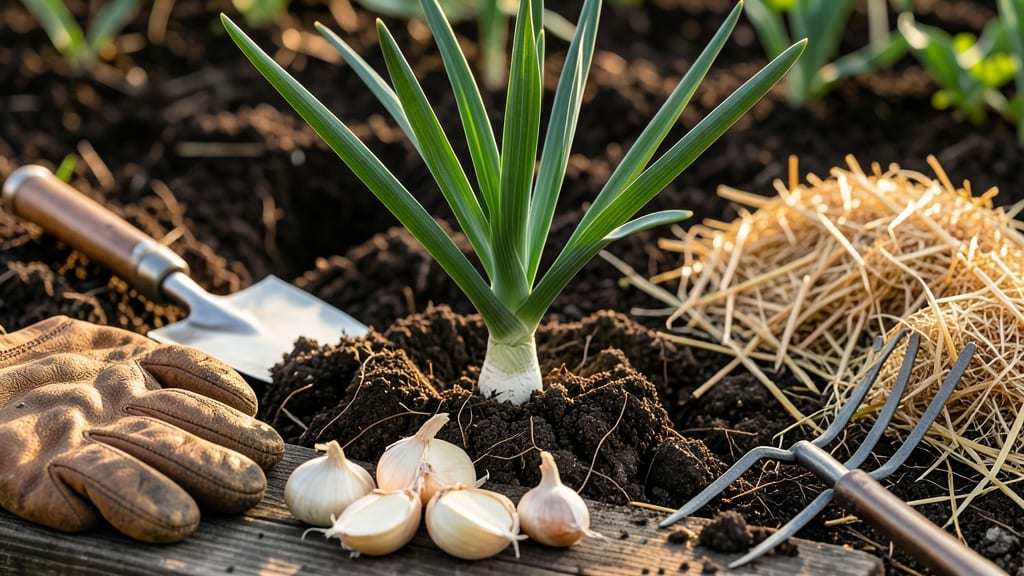
Planting garlic in Zone 8a isn’t just about throwing cloves into the ground—it’s about matching your garlic’s chill-hour needs to your local frost dates. Too early, and your crop might bolt; too late, and you’ll miss the sweet spot for those plump, flavorful bulbs that 🧄 lovers crave.
Most gardeners in Zone 8a know fall is the prime window, but the exact timing depends on whether you’re growing hardneck or softneck varieties. Hardnecks need 300–900 chill hours to form bulbs, while softnecks are more flexible.
I’ll break down the best planting months—October through November—and how to adjust if your winter’s mild.
What if you miss the fall window? Don’t worry—early winter planting in January can still work, especially with a few tricks like pre-chilling or insulating the soil. The key is understanding how your microclimate plays into the equation, whether you’re dealing with early frosts or unexpected warmth.
Ready to grow garlic that rivals store-bought? Let’s dive into the perfect planting schedule, soil prep, and variety tips to ensure your Zone 8a garlic thrives—no guesswork required.

Zone 8a garlic planting calendar: chill-hours breakdown by variety
In Zone 8a, where winters are mild, garlic planting success hinges on matching your variety to its chill-hour requirements. Most hardneck varieties need 400–900 chill hours, while softnecks thrive with 300–600 hours.
Without enough cold, your garlic may bolt prematurely or produce small bulbs. The key is planting in the right window—typically October through December—to ensure adequate chilling before spring growth.
Your local microclimate matters too. Coastal areas may get fewer chill hours than inland spots, so adjust planting dates accordingly. For example, if your zone averages 450 chill hours, choose low-chill varieties like Silverskin or Artichoke garlic, which tolerate 300–400 hours.
Meanwhile, Rocky Mountain or German White varieties need 600+ hours and require earlier planting.
Here’s how to align your planting with chill-hour needs for Zone 8a:
For hardneck varieties, aim to plant by mid-November to ensure they experience at least 600 chill hours before spring. If your winter is unusually warm, consider pre-chilling cloves in the fridge for 4–6 weeks before planting.
This mimics natural cold exposure and helps trigger bulb formation. Softnecks, on the other hand, are more forgiving and can often be planted as late as December, especially in cooler microclimates.
Timing isn’t just about the calendar—it’s also about soil temperature. Garlic cloves need soil temps below 70°F to germinate properly. In Zone 8a, soil temps drop below this threshold by late October or early November, making this the ideal window for most varieties.
Use a soil thermometer to confirm readiness if your fall is unusually warm.
If you miss the fall window, don’t despair—you can still plant garlic in early winter (January), but you’ll need to pre-chill cloves or use low-chill varieties.
For example, Silverskin garlic planted in January with 4 weeks of fridge chilling can still produce decent bulbs, though yields may be smaller. This method works best for softneck types, which are more adaptable to shorter chill periods.
Pro tip: Mulch heavily after planting to insulate the soil and extend chill exposure. Use straw or leaves (6–8 inches deep) to protect cloves from temperature fluctuations and keep them cool.
This is especially critical in Zone 8a, where winter temps can swing wildly between warm days and cold nights. Mulching also suppresses weeds and retains moisture, giving your garlic a strong start.
Remember, garlic is a cool-season crop, and its growth cycle spans 8–10 months. In Zone 8a, planting in October or November ensures bulbs mature by June or July of the following year.
If you plant too late (e.g., after December), your garlic may not have enough time to bulb up before summer heat sets in, leading to small, pungent cloves.
Finally, keep an eye on your local frost dates. In Zone 8a, the first frost typically arrives by mid-December, but this can vary. Planting 4–6 weeks before the first frost gives garlic enough time to establish roots before winter dormancy.
For example, if your frost date is December 15, aim to plant by early November.
By matching your garlic variety to its chill-hour needs and planting in the right window, you’ll harvest plump, flavorful bulbs even in Zone 8a’s mild climate. 🌱
How to pre-chill garlic for Zone 8a success (even without winter)
Zone 8a gardeners often face a tough choice: plant garlic too early and risk bolting, or too late and miss critical chill hours needed for bulb development. The solution? Pre-chilling your garlic cloves to simulate winter conditions.
This method works wonders even if your winter is mild or you plant outside the ideal October-November window.
Garlic varieties typically need 300–900 chill hours (below 40°F) to form proper bulbs. In Zone 8a, where winters are short, pre-chilling becomes essential. Whether you're using a refrigerator, cold frame, or mulched garden bed, these methods trick your garlic into thinking winter has arrived—even when it hasn’t.
- 1 Select Low-Chill Varieties: Choose artichoke or creole garlic (300–400 chill hours) for Zone 8a. These types tolerate fewer chill hours than hardneck varieties.
- 2 Separate Cloves: Break apart garlic bulbs 1–2 days before chilling. Remove papery skins but leave the outer skin intact to prevent drying.
- 3 Refrigerator Method: Place cloves in a paper bag or mesh bag and store in the crisper drawer (35–40°F) for 4–6 weeks. Check weekly for sprouting.
- 4 Cold Frame Trick: Bury cloves 2–3 inches deep in a cold frame or unheated greenhouse in late winter. Use straw mulch (4–6 inches) to insulate and maintain cool temps.
- 5 Soil Insulation: Plant cloves in well-draining soil and cover with thick mulch (straw or leaves). This mimics winter conditions even in mild Zone 8a winters.
- 6 Plant Immediately After Chilling: Once cloves sprout (or after 4–6 weeks), plant them 2 inches deep and 4–6 inches apart in full sun. Water lightly to settle soil.
For best results, combine pre-chilling with early planting. If you miss the fall window, pre-chill cloves in January and plant them immediately afterward. This ensures your garlic gets the chill hours it needs to form bulbs by summer.
Pro tip: Use a soil thermometer to monitor ground temps. Aim for 40–50°F for 4–6 weeks post-planting. This mimics natural winter chilling and boosts bulb size. With these tricks, you’ll harvest plump, flavorful garlic even in Zone 8a’s mild climate! 🧄