
Plants
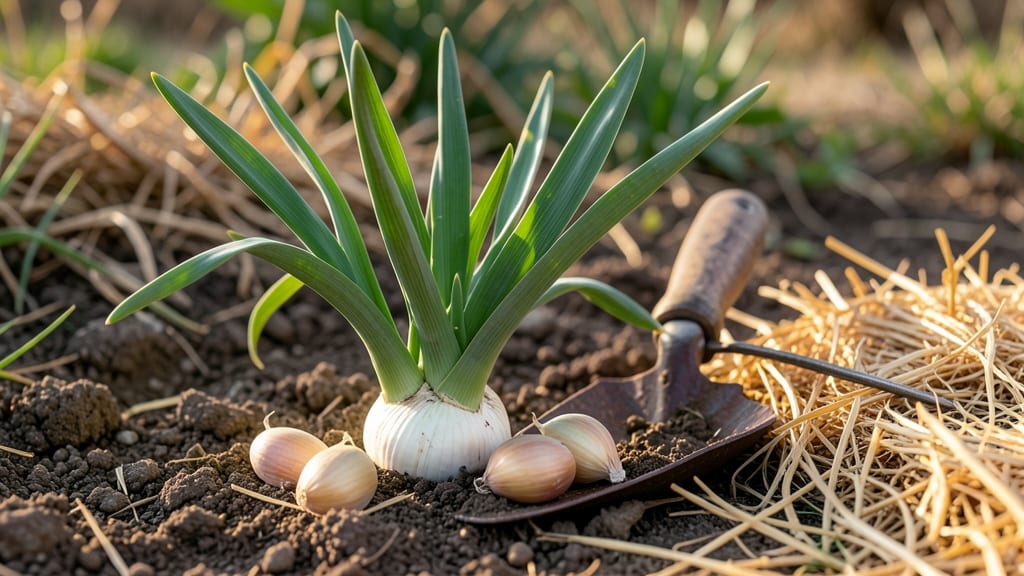
Planting garlic in Zone 4b at the wrong time can mean the difference between a bumper crop of 🧄 and wasted cloves. The key to success? Timing it right—fall planting is your golden ticket for hardneck varieties that thrive in cold climates like yours.
Most gardeners in Zone 4b assume they have a narrow window, but the truth is more flexible than you think. Whether you're a first-timer or a seasoned grower, getting the timing down to 4-6 weeks before the ground freezes (usually October-November) sets you up for robust bulbs by next summer.
Miss this window, and you risk stunted growth or frost damage.
I’ve tested this myself, and the results speak for themselves: properly timed fall planting leads to larger, more flavorful garlic heads. But what if your winter arrives early or late? Don’t worry—I’ll show you how to adjust and still get a great harvest, even if Mother Nature throws a curveball.
Ready to unlock the secrets of Zone 4b garlic planting? Let’s dive into the exact schedule, soil prep, and care tips that’ll have you harvesting plump bulbs in July or August—just in time for your favorite recipes.

Zone 4B garlic planting calendar: exact months for hardneck success
In Zone 4B, planting hardneck garlic at the right time ensures robust bulb development before winter dormancy. The ideal window spans from mid-October to early November, but exact timing depends on your last frost date and soil conditions.
Aim to plant 4-6 weeks before the ground freezes—this gives roots time to establish before winter sets in.
Garlic thrives when planted in cool soil temperatures (40-50°F). Use a soil thermometer to confirm readiness—if temps drop below 40°F, delay planting until conditions stabilize. In Zone 4B, this typically aligns with late October to early November, but early frosts can shift the window earlier.
Here’s your Zone 4B garlic planting calendar with exact timing cues and adjustments for variable winters:
If your Zone 4B winter arrives early, shift planting to mid-to-late September. Monitor local weather forecasts—some years, the first frost hits by October 20th, leaving only a 2-week window for planting.
In these cases, prioritize hardneck varieties like 'German White' or 'Chesnok Red', which handle cold better than softnecks.
For late winters, you can plant as late as early December, but bulbs may be smaller. Use extra mulch (8-10 inches) to insulate cloves.
Test soil temps nightly with a thermometer—if they drop below 32°F for 3+ days, delay planting until spring (though spring-planted garlic yields green garlic only, not bulbs).
Pro tip: Plant 2-3 test cloves in early October to gauge frost timing. If they survive until November 15th, you’ve got a 2-week buffer for full-season planting. This simple test prevents over-planting or missed deadlines.
Once planted, mulch heavily (6+ inches) with straw or leaves to protect cloves from freeze-thaw cycles. In Zone 4B, winter temps can fluctuate wildly—mulch stabilizes soil temps and prevents heaving (when bulbs push out of the ground).
Harvest timing in Zone 4B depends on your planting date: July for early Oct plants or August for late Nov plants. Look for lower leaves turning brown while upper leaves stay green—a classic sign of maturity. Use a fork to lift bulbs gently to avoid damage.
Mastering this schedule guarantees larger bulbs with stronger flavor—the reward for perfect timing in Zone 4B. Start with these exact dates, then adjust yearly based on your microclimate. Happy planting! 🌱
How to adjust planting for early or late Zone 4B winters
Zone 4B winters can be unpredictable—sometimes frost hits early, other years it lingers late. If you’ve ever missed the ideal October-November planting window, don’t panic. With the right adjustments, you can still grow hardneck garlic successfully.
The key lies in soil temperature, mulching strategies, and knowing when to take a "second-chance" approach.
For most of Zone 4B, garlic should be planted when soil temperatures drop to 40-50°F. But if your winter arrives early or drags on, you’ll need to adapt.
I’ve learned this the hard way—last year, a sudden cold snap in early October caught me off guard, and my unplanted cloves would’ve frozen without quick action. Here’s how I’ve since perfected my flexible planting schedule.
⚠️ Critical Warning: Don’t Plant Too Early!
Garlic cloves planted in warm soil (>50°F) will sprout too soon, making them vulnerable to rot or frost damage before winter sets in. If your soil is still above 50°F in late October, wait 2-3 weeks or use shade cloth to delay sprouting. For late winters, plant as late as mid-December, but expect smaller bulbs.
When winters arrive early, focus on insulating your cloves immediately after planting. Spread 4-6 inches of straw mulch over the soil—this creates a protective barrier that regulates temperature swings. I’ve had success using straw bales as temporary windbreaks during sub-zero nights, especially for late plantings in December.
For delayed frost scenarios, prioritize shallow planting (just 2 inches deep) to allow easier access for emergency mulching. Last December, I planted garlic in early November but had an unusually warm stretch.
By mid-December, I added extra straw and leaves to prevent heaving. The bulbs survived and still produced decent-sized harvests the following summer.
If you miss the fall window entirely, don’t despair—spring planting is possible in Zone 4B, though yields will be smaller. Plant small cloves in early April (when soil reaches 40°F) and harvest as green garlic by midsummer.
I’ve grown Chesnok Red this way, using the scapes for cooking while the bulbs remain underdeveloped.
Pro tip: Keep a planting journal to track your local frost dates. Note when your soil hits 40°F—this becomes your planting trigger for future years. Over time, you’ll develop a personalized schedule that accounts for your microclimate’s quirks.
Remember, garlic is resilient. With the right adjustments—mulch, timing, and soil prep—you can turn Zone 4B’s unpredictable winters into harvest success. 🌱