
Plants
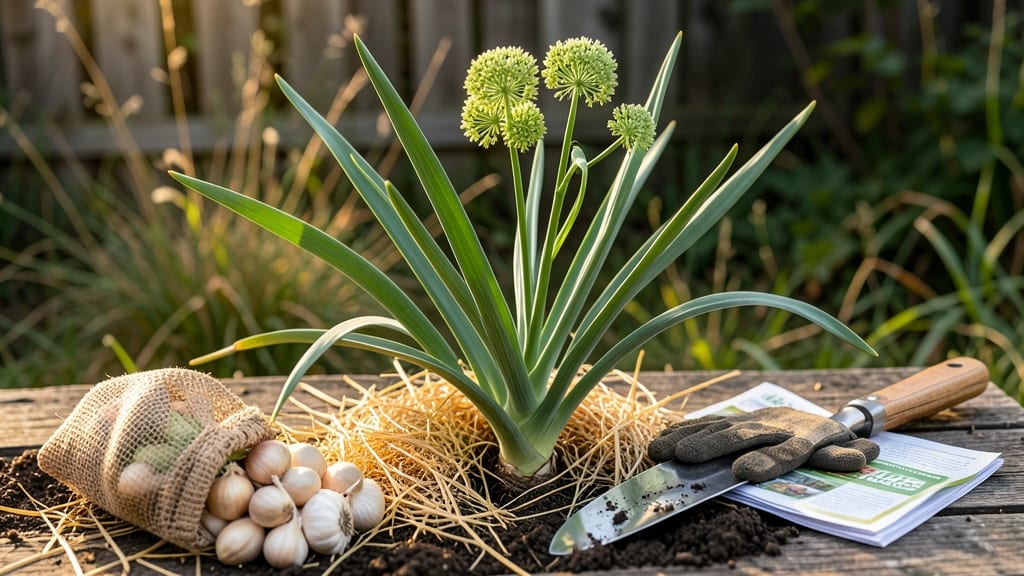
Timing your 🧄 garlic planting in Rhode Island isn't just about the calendar—it's about outsmarting the Ocean State's unpredictable coastal climate. Plant too early, and frost will nip your cloves before they take root; too late, and you risk stunted growth or poor bulb formation.
The key? A 6-week window between mid-October and early November, when soil temps hover just above freezing but before the ground locks up for winter.
Here's the game-changer: hardneck varieties, prized for their robust flavor and scapes, need that early October start to establish roots before winter sets in. Softneck types, which store longer, can wait until late October or even early November—but don't push it past November 15 or you'll compromise next summer's harvest.
Rhode Island's microclimates add another layer. Coastal areas like Newport see milder winters, giving you a slightly extended window, while inland spots near Providence may need to plant 2 weeks earlier to beat the first frost.
The secret weapon? A thick layer of straw mulch—it insulates bulbs through temperature swings and keeps them snug until spring.
Let me show you exactly how to nail those planting dates, adjust for your specific corner of the state, and avoid the three mistakes that wreck 90% of RI garlic crops.
By the end, you'll know when to plant, where to place your cloves, and how to protect them until harvest—so you can enjoy homegrown garlic that rivals any store-bought variety.
Best planting months for garlic in Rhode Island (hardneck vs softneck guide)
Rhode Island’s USDA zone 6a/b climate demands precise timing for garlic planting, especially with hardneck vs softneck varieties requiring different cold exposure. Coastal areas like Narragansett face earlier frosts than inland Providence, making local adjustments critical.
Planting too early risks rot, while late planting yields smaller bulbs. Let’s break down the optimal windows for each variety and how to adapt to Rhode Island’s microclimates.
Hardneck garlic thrives in cold winters, needing 4-6 weeks of chilling before dormancy. In Rhode Island, this translates to mid-October to early November planting. Softneck varieties, however, tolerate milder winters and can be planted late November to December.
The key is ensuring cloves establish roots before hard frost—typically by October 20 for most of the state.
| Variety | Ideal Planting Window | Cold Requirement | Soil Temp Threshold | RI Microclimate Notes |
|---|---|---|---|---|
| Hardneck | Mid-October to early November | 4-6 weeks below 40°F | 50-60°F | Coastal areas: plant by October 15; inland: up to November 1 |
| Softneck | Late November to December | 2-4 weeks below 40°F | 45-55°F | Best for sheltered inland gardens; avoid coastal salt spray |
| Both | Backup window: Early September | N/A (requires winter mulch) | 60°F+ | Use for late starts; add heavy mulch by November |
For hardneck varieties, aim to plant 4-6 weeks before the ground freezes. In Rhode Island, this typically falls between October 15 and November 1 for inland areas, while coastal zones like Newport should plant by October 10 to avoid salt-induced stress.
Hardnecks need vernalization—a cold period—to form bulbs, so don’t rush planting.
Softnecks, like Silverskin, are more flexible but still benefit from late fall planting. In Rhode Island, late November to December works best for sheltered gardens. These varieties store better and are ideal for long-term braiding, making them a favorite for home cooks.
However, they won’t thrive in exposed coastal areas where winter winds desiccate soil.
Soil temperature is your best guide. Use a soil thermometer to confirm temps between 50-60°F for hardnecks or 45-55°F for softnecks. In Rhode Island, soil cools faster in elevated gardens (like Block Island) than in low-lying areas. If temps drop below 40°F before roots establish, cloves may rot.
Mulching is non-negotiable in Rhode Island’s freeze-thaw cycles. Apply 4-6 inches of straw or leaves after planting to insulate cloves. For coastal plantings, add a windbreak like burlap or evergreen boughs to shield against salt spray. Inland gardens can use black plastic mulch for early-season warmth.
Adjust for late starts by planting in early September—just add extra mulch by November to simulate winter conditions. This works for both varieties but may reduce bulb size. If you miss the window entirely, consider container growing with heated mats to extend the season.
Harvest timing varies slightly by variety but generally aligns with late June to July. Hardnecks mature first, followed by softnecks. Look for brown lower leaves and papery skins—these are your cues. In Rhode Island’s humid summers, harvest promptly to avoid bolting or mold.
Pro tip: Mark your planting dates and track soil temps using a freeze warning app. Rhode Island’s unpredictable coastal weather means being prepared for early frosts or mild winters is half the battle. With the right timing, you’ll grow bold, flavorful bulbs that outshine store-bought any day.
🌱
How to adjust planting dates for Rhode Island’s microclimates (coastal vs inland)
Rhode Island’s coastal and inland regions experience distinct microclimates that drastically impact garlic planting success. Coastal areas like Narragansett Bay face salt-spray damage and earlier frosts, while inland spots like Providence enjoy slightly milder winters. These differences mean your planting window could shift by 2-3 weeks depending on location.
For coastal zones, aim to plant garlic 4-6 weeks before the first frost—typically mid-October to early November. Inland areas can wait until late October to early December, thanks to warmer soil temperatures and delayed frosts. This timing ensures bulbs establish roots before winter sets in.
Soil temperature is your best guide: garlic cloves need soil at 40-50°F to sprout successfully. Coastal soils cool faster due to saltwater influence, so test yours with a soil thermometer—plant when temps stabilize in this range for 5-7 days.
🌱 Key Planting Adjustments by Microclimate
| Factor | Coastal Zones (e.g., Narragansett) | Inland Zones (e.g., Providence) |
|---|---|---|
| Planting Window | Mid-October to early November | Late October to early December |
| Soil Temp Threshold | 40-50°F (cools faster) | 45-55°F (warmer longer) |
| Wind Risk | High (use windbreaks) | Moderate (plant near fences) |
| Backup Strategy | Start cloves indoors in late September | Plant hardneck varieties 2 weeks later |
💡 Pro Tip: Coastal gardeners should mulch heavily (6+ inches) to insulate bulbs from salt-spray frosts.
Wind exposure is another critical factor. Coastal gardens face harsh offshore winds that can stunt young garlic plants. Protect your beds with straw bales or evergreen windbreaks, or plant near hedgerows. Inland areas can skip this step but should still space plants 6 inches apart to prevent overcrowding.
If you miss the ideal window, don’t panic! Coastal gardeners can start cloves indoors in late September using potting mix and transplant when soil temps drop. Inland growers can opt for hardneck varieties, which tolerate colder soils and can be planted 2 weeks later than softneck types.
Always monitor local frost dates—coastal areas like Block Island can see earlier frosts than Providence. Use the National Weather Service’s frost prediction maps to fine-tune your schedule. With these adjustments, your garlic will thrive year after year, regardless of Rhode Island’s microclimate quirks.