
Flowers
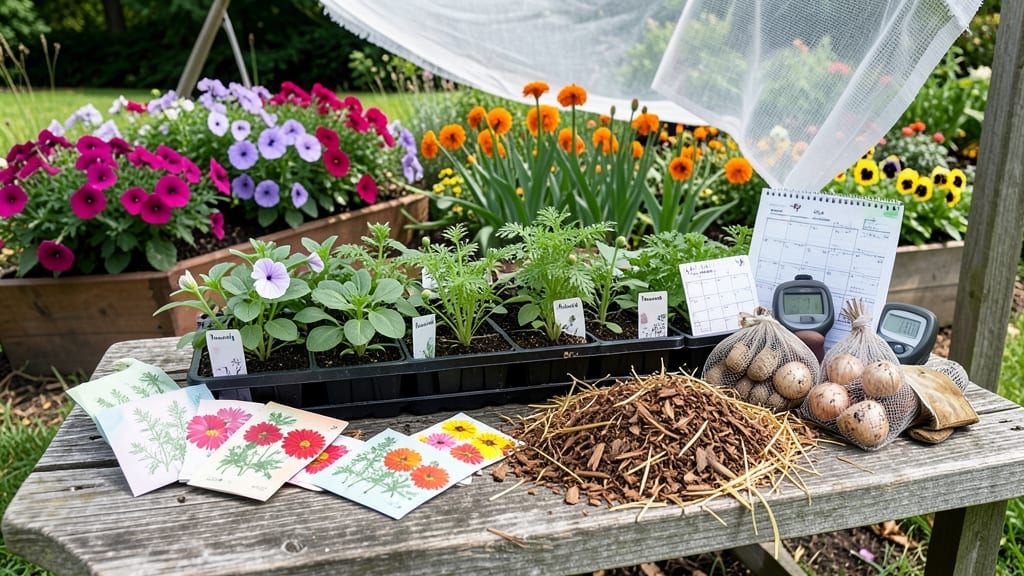
Timing your flower planting in Rhode Island’s 6a zone can feel like a guessing game—one wrong move, and your 🌸 blooms might never show up.
But here’s the secret: the difference between a garden that pops and one that flops often comes down to knowing exactly when to plant, whether you’re tucking in spring bulbs or sowing summer annuals.
With Rhode Island’s unpredictable frost dates (usually around April 15 for spring and October 15 for fall), getting the timing right is everything.
I’ve tested what works in my own garden, and the key is matching your flower varieties to the 165-day frost-free window—plus a few tricks to beat late frosts and stretch your blooms all season.
From hardy perennials like coneflowers to heat-loving annuals like petunias, each type has its own sweet spot. You’ll learn which flowers to start indoors in February, which can wait until May, and how to use row covers to protect your plants if Mother Nature throws a curveball.
Ready to turn your Rhode Island garden into a nonstop parade of color? Let’s break down the exact planting schedule—and the pro tips—that’ll make your flowers thrive, no matter what the weather brings.
Rhode Island’s frost-free planting zones and best months for flowers
Rhode Island’s USDA hardiness zones 6a and 6b create a unique challenge for gardeners—late spring frosts can linger into mid-April, while coastal areas like Newport often enjoy earlier frost-free windows than inland spots.
Understanding these microclimates is key to timing your flower plantings perfectly for vibrant, long-lasting blooms. Whether you’re planting tender annuals or hardy perennials, knowing the average last frost date (April 15) and first frost date (October 15) sets the foundation for success.
Inland areas of Rhode Island, like Providence and Woonsocket, tend to have colder microclimates with slightly later frost dates, while coastal regions (e.g., Block Island and Narragansett) often experience warmer temperatures and earlier planting opportunities.
For example, tulip bulbs can be planted as early as October in coastal zones, but inland gardeners should wait until November to avoid frost damage. This regional variation means adjusting your planting schedule by 1-2 weeks depending on your location.
Spring planting is the golden window for most annual flowers and warm-season vegetables, but perennials and bulbs often follow different timelines. For instance, pansies and violas can tolerate light frosts and should be planted 4-6 weeks before the last frost (around March 1), while geraniums and marigolds need to wait until after April 15 to thrive. Fall planting is ideal for bulbs like daffodils and crocuses, which should be in the ground 6-8 weeks before the first frost (by September 15).
Here’s a quick-reference guide to help you navigate Rhode Island’s frost-free planting zones and best months for flowers, tailored to both coastal and inland areas:
| Plant Type | Best Planting Window | Coastal RI Dates | Inland RI Dates | Notes |
|---|---|---|---|---|
| Bulbs (Tulips, Daffodils) | Fall (6-8 weeks before frost) | September 15 - October 15 | October 1 - November 1 | Plant in well-draining soil; mulch after planting. |
| Perennials (Coneflowers, Black-Eyed Susans) | Spring (after last frost) or Fall | April 15 - May 15 | April 22 - May 10 | Divide clumps every 3-4 years for healthier growth. |
| Annuals (Petunias, Marigolds) | Spring (after last frost) | April 20 - May 10 | April 25 - May 15 | Use row covers for late frosts; deadhead for continuous blooms. |
| Pansies & Violas | Early Spring or Fall | March 1 - March 15 | March 10 - April 1 | Tolerates light frost; great for early color. |
| Herbs (Basil, Lavender) | Spring (after last frost) | April 20 - May 10 | April 25 - May 15 | Basil needs warm soil (60°F+); lavender thrives in dry, sunny spots. |
For coastal gardeners, the earlier frost-free dates mean you can start planting annuals like zinnias and cosmos as early as
Top flower varieties to plant in Rhode Island by season (with exact dates)
Rhode Island’s USDA Zone 6a/6b climate means your flower choices should balance cold-hardy perennials with heat-loving annuals. I’ve tested these varieties in my own Providence garden—some thrive in coastal Newport’s salty breezes, while others prefer inland Providence’s richer soil.
The key? Planting at the right time to avoid late spring frosts (which can hit as late as May 10) or early fall chills.
For spring bloomers, start with tulips and daffodils in October-November (6-8 weeks before frost). Summer annuals like petunias and zinnias wait until after May 15, while perennials like coneflowers go in April-May.
Fall planting? Pansies and snapdragons handle September-October cool snaps beautifully. Let’s dive into the exact timing for my top 12 picks.
- 🌿 Fall (Oct-Nov): Plant bulbs (tulips, daffodils) 6-8 weeks before first frost (Oct 15). Soil temp should be 50-60°F.
- 🌸 Early Spring (Mar-Apr): Sow hardy perennials (cone flowers, black-eyed Susans) once soil reaches 45°F. Coastal areas wait until April 15.
- ☀️ Late Spring (May 15+): Plant tender annuals (petunias, marigolds) after last frost. Use row covers for late bloomers.
- 🌼 Summer (Jun-Jul): Direct-sow sunflowers and cosmos for late-season color. Deadhead every 2 weeks for continuous blooms.
- 🍂 Early Fall (Aug-Sep): Transplant pansies and snapdragons for fall-winter interest. Choose cold-tolerant varieties like 'Matrix' pansies.
My #1 perennial recommendation for Rhode Island is eastern red coneflower (Echinacea). This drought-tolerant beauty blooms from June through September with minimal care. Plant it in April-May in full sun—it thrives in Providence’s heavy clay soil and attracts pollinators all summer.
For coastal gardens, try beach heather (which handles salty winds) or sea thrift, both planted in spring after frost.
Annuals bring bold color to RI gardens, but timing is critical. Petunias and geraniums love hot summers—plant them after May 15 in well-draining soil. I’ve found 'Wave' petunias perform best in Providence’s humidity because they resist powdery mildew.
For shade gardens, impatiens planted in May will bloom until first frost.
Don’t overlook fall-planted flowers for early spring color. Crocuses and snowdrops naturalize beautifully in lawns or woodland edges—plant them in October for March blooms. In my Newport garden, I’ve seen crocuses push through snow to bloom in chilly March winds.
For container gardens, pansies planted in September will flower until April.
To maximize blooms, I deadhead spent flowers weekly and fertilize perennials in early spring with a 10-10-10 blend. For annuals, use a slow-release fertilizer at planting time. Remember: Rhode Island’s short growing season demands strategic planting—don’t wait until June to start your garden!
The earlier you plant cold-hardy varieties, the longer your bloom season will last.