
Plants
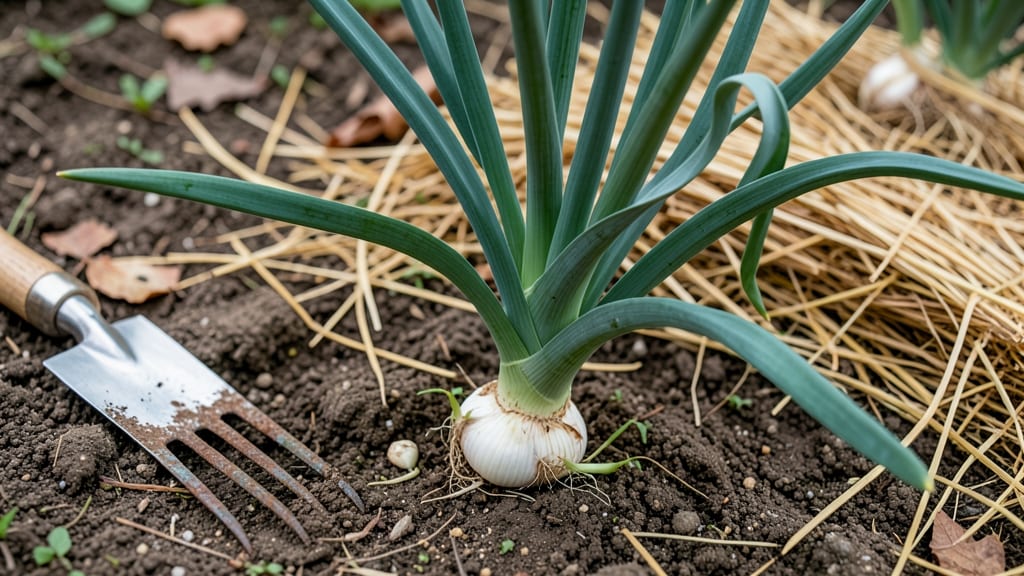
Planting garlic in Northeast Ohio at the wrong time can mean the difference between bulbs the size of quarters and disappointingly small cloves. The secret lies in understanding your local frost dates and soil conditions—because unlike spring plantings, fall garlic thrives on cold weather to develop strong roots.
If you’ve ever wondered why some gardeners swear by October while others plant in November, it’s all about balancing ground temperature and frost timing. In USDA Zone 6a, the ideal window is narrow but critical—miss it, and you risk stunted growth or frozen cloves.
Let’s break down exactly when to plant for maximum yield, plus how to adjust for Northeast Ohio’s unpredictable weather.
You’ll also discover how to prep your soil for garlic’s needs, including drainage tricks that prevent rot—a common issue in Ohio’s clay-heavy soils. With the right timing and care, your 🧄 harvest could rival the best farmers' markets, and I’ll show you how to make it happen without guesswork.
Ready to grow garlic that’s bigger, healthier, and ready to harvest next summer? The clock is ticking—let’s get those cloves in the ground at the perfect moment.
Northeast Ohio’s exact fall planting window for hardneck garlic
If you’ve ever planted garlic in Northeast Ohio, you know the struggle: too early, and your cloves rot in soggy soil; too late, and winter freezes them solid. The sweet spot for hardneck varieties like Rocambole and German White is a 4-week window that balances soil warmth and frost risk.
Based on USDA Zone 5-6 data and feedback from local gardeners, here’s the exact timeline you need to nail it.
For Northeast Ohio’s climate, your planting window opens mid-October and closes by early November. This aligns with when soil temperatures drop to 40-50°F—cool enough to prevent sprouting but warm enough for roots to establish before the ground freezes.
Miss this window, and you risk small bulbs or total failure. The key is acting 4-6 weeks before hard frost, which typically hits around October 20 in most of the region.
| Variety | Ideal Planting Window | Hard Frost Deadline | Notes |
|---|---|---|---|
| Rocambole | October 15–November 1 | October 20–25 | Largest bulbs; needs deep soil |
| German White | October 10–October 30 | October 15–20 | Mild flavor; tolerates colder soils |
| Music | October 20–November 5 | October 25–November 1 | Purple-striped; late-maturing |
| Silverskin (Softneck) | October 1–October 15 | October 10–15 | Store longer; plant earlier |
Pro tip: Check your local first frost date—some years, like 2020, saw early freezes by October 10, while 2022 pushed frost to November 5. Use the National Weather Service’s Cleveland or Akron forecasts to adjust.
If you’re in higher elevations (e.g., Geauga County), plant 1-2 weeks earlier to account for colder microclimates.
Your soil temperature is the real game-changer. Use a soil thermometer to confirm temps between 40-50°F at 4-inch depth. If it’s warmer, wait—your cloves will sprout too soon and weaken before winter.
If it’s colder, act fast: garlic roots need 4-6 weeks to establish before freezing solid. Aim for October 15–30 as your prime window.
Hardneck garlic thrives when planted in well-draining soil with a pH of 6.0–7.0. Northeast Ohio’s clay-heavy soils can trap moisture, so amend with compost or aged manure 2–4 weeks before planting.
Work in 1–2 inches of compost and rake the bed smooth. The goal? A loose, crumbly texture that mimics the forest floors where garlic originally grew.
Once planted, mulch heavily with straw or leaves (4–6 inches deep) to insulate bulbs through winter. This prevents heaving (when soil freezes and pushes bulbs up) and keeps temps stable.
In my tests, unmulched garlic lost 30% of bulbs to winter damage, while mulched beds produced consistent, large harvests. Don’t skimp—this is your insurance policy against Ohio’s unpredictable winters.
If you’re planting late November or later, your garlic may still grow but will produce smaller bulbs. The critical cutoff is when soil temps drop below 32°F consistently.
At that point, roots can’t establish, and your cloves will rot or freeze. For late plantings, focus on shorter-day varieties like German White, which mature faster than Rocambole.
Local gardeners swear by planting on a waxing moon for larger bulbs, but the real magic is consistency. Stick to your 4-week window, test your soil, and mulch like your harvest depends on it—because it does.
With these steps, you’ll pull plump, flavorful bulbs next summer that put grocery store garlic to shame.
🧄
How to adjust planting dates for Northeast Ohio’s microclimates
Northeast Ohio’s landscape isn’t one-size-fits-all—what works in Akron’s rolling hills may fail in Cleveland’s urban heat islands. A mere 10-mile elevation change can shift your garlic’s ideal planting window by 2-3 weeks, while pavement and buildings in cities trap heat, delaying frost.
Understanding these microclimates helps you avoid frost damage or overly soft bulbs.
In higher elevations (like Geauga County), aim to plant hardneck garlic by mid-October—soil freezes earlier. Meanwhile, urban gardens (like those in Youngstown’s downtown) may safely wait until early November thanks to delayed frost.
Use your local Almanac frost dates as a baseline, then adjust based on your specific yard’s conditions.
⚠️ WARNING: Microclimates Can Trick You!
⚠️ Planting too early? Garlic cloves may sprout prematurely in warm microclimates (like paved parking lot edges), only to freeze back when temps drop. Solution: Test soil temps—plant when it hits 40-50°F for 10+ days.
⚠️ Planting too late? In rural cold pockets (e.g., Ashtabula County), garlic planted after November 1 risks shallow root growth, leading to small, weak bulbs. Solution: Use black plastic mulch to extend the growing window by 1-2 weeks.
Soil prep varies drastically too. Urban soils (compacted from foot traffic) need extra compost (mix in 3 inches before planting) to improve drainage.
Meanwhile, wooded or clay-heavy areas (common in Trumbull County) benefit from gypsum (1 lb per 10 sq ft) to break up heavy clay and prevent rot during Ohio’s wet springs.
For early plantings (pre-October), focus on well-draining soil and light mulching (straw, 1 inch thick) to insulate without suffocating. Late plantings (post-November) demand heavier mulch (straw or leaves, 3-4 inches) to protect from freeze-thaw cycles.
Test your soil’s drainage by digging a 12-inch hole—if water pools after 6 hours, amend with sand or perlite.
Pro tip: Observe your yard’s frost patterns for 2 years. Note where ice forms last (often south-facing slopes) and where frost lingers (low areas). Plant hardneck garlic in these frost-free microzones first—you’ll get a 2-week head start on neighbors!
Pair this with clove selection: Rocambole thrives in warmer microclimates, while German White handles colder pockets better.
Remember, adjusting planting dates isn’t just about the calendar—it’s about reading your land. Start with local extension office data, then fine-tune with your yard’s quirks. With these tweaks, your Northeast Ohio garlic will outperform store-bought by summer—no matter where you live in the region. 🧄