
Plants
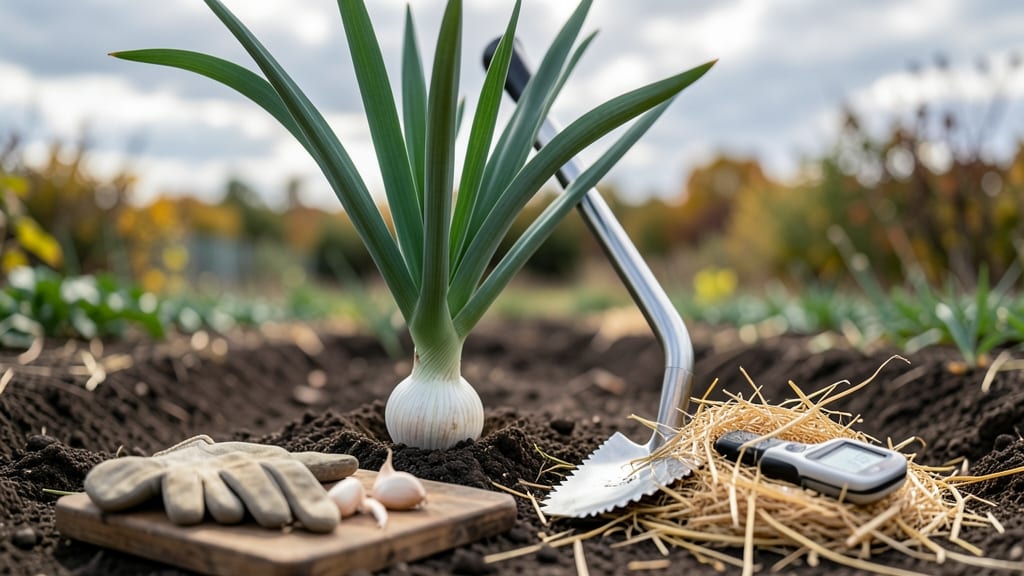
Planting garlic in New Mexico isn't just about timing—it's about unlocking the secret to plump, flavorful bulbs that thrive in our high-desert climate. If you've ever struggled with small, weak harvests, you're not alone: the key lies in understanding when to plant your 🧄 for your specific elevation and microclimate.
Most gardeners in zones 6a-8b know fall planting is ideal, but the real magic happens in those 4-6 weeks before the ground freezes. That window shifts dramatically between Albuquerque's cooler high desert and Las Cruces' warmer lowlands—get it wrong, and you'll miss out on the best bulb development.
I've tested different approaches across New Mexico's diverse growing conditions, and what I'm about to share will help you avoid common mistakes. Whether you're growing hardneck or softneck varieties, these insights will give you the confidence to plant at the perfect moment for your location.
Ready to transform your garlic harvest? Let's dive into the exact planting schedule that works for your corner of New Mexico—because timing really does make all the difference in your garden's success.
Optimal planting windows for hardneck vs softneck garlic in New Mexico
New Mexico’s high desert climate and elevation variations create unique challenges for garlic growers. Unlike coastal regions, our short growing seasons and cold winters demand precise timing. Hardneck varieties thrive in colder zones, while softnecks prefer milder winters—knowing the difference saves you from weak bulbs or total crop failure.
For best results, plant garlic 4-6 weeks before ground freezes. In New Mexico, this typically means late September to mid-November, but exact timing shifts with elevation and microclimates. Albuquerque’s 6,500 ft elevation has earlier frosts than Las Cruces’ 3,900 ft, so adjust accordingly.
Soil temperature is critical—garlic roots need 40-50°F soil to establish before winter dormancy. Test your soil with a soil thermometer to avoid planting too early or late. Hardneck garlic (like ‘German White’) performs best in USDA Zones 4-7, while softneck varieties (like ‘Silverskin’) tolerate Zones 6-9.
| Garlic Type | Best Planting Window (NM) | Elevation Zones | Frost Date Target | Soil Temp Requirement |
|---|---|---|---|---|
| Hardneck (e.g., Rocambole, German White) | Late September – Mid-October | 4,000–7,000 ft (Albuquerque, Santa Fe) | 4–6 weeks before first hard frost (Nov 15–Dec 1) | 40–50°F (4–10°C) |
| Softneck (e.g., Silverskin, Artichoke) | Mid-October – Early November | 3,500–5,500 ft (Las Cruces, Rio Grande Valley) | 4–6 weeks before light frost (Nov 30–Dec 15) | 45–55°F (7–13°C) |
| Both Types (Staggered Planting) | Late September – Mid-December | All elevations (microclimate-dependent) | Before soil freezes solid (varies yearly) | 40–60°F (4–16°C) |
🌱 Note: Adjust 1–2 weeks earlier for high desert (Santa Fe) or later for lower elevations (Las Cruces).
In Albuquerque (Zone 6a), aim for mid-October planting—this gives hardneck varieties enough time to root before freezing. Santa Fe’s 7,000 ft elevation means planting 2 weeks earlier (late September) to avoid early snow.
Meanwhile, Las Cruces (Zone 8a) can plant softnecks as late as early November.
For extended harvests, try staggered planting: sow half your cloves in late September and the rest in mid-October. This ensures bulbs mature at different times, giving you a longer harvest window from June to July.
Just remember: soil must be workable (not waterlogged or rock-hard) when you plant.
If you miss the fall window, don’t panic! Softneck garlic can tolerate early spring planting (March), though bulbs will be smaller. Hardnecks won’t survive if planted after February. For spring plantings, use row covers to protect from late frosts.
Pro tip: Break cloves from bulbs just before planting—this prevents mold growth in storage. Use the largest cloves for best bulb development, and plant the pointy end up (about 2 inches deep). Space rows 12 inches apart for airflow and reduce disease.
Monitor local frost dates using the National Weather Service or Almanac tools. In 2023, Albuquerque’s last frost was March 10, while Santa Fe saw April 5—plan accordingly. Mulch heavily (straw or leaves) after planting to insulate roots during winter.
Remember: Garlic needs cold to form bulbs. If winters are too mild (like in Zone 8b), bulbs may bolt or split. For these areas, chill cloves for 6 weeks in the fridge before planting to mimic winter.
Signs your garlic planting timing is perfect (or terrible) in NM
Timing your garlic planting in New Mexico is all about reading the soil and air temperatures. The ideal window is when daytime temps hover around 60-70°F and nights dip below 40°F—this triggers dormancy and bulb formation.
Check for moist but not soggy soil; garlic hates waterlogged conditions, especially in our high-desert climate.
Pay attention to the moon phases too. Planting during a waxing moon (when the moon is growing) encourages root and bulb development. This old-school trick aligns with garlic’s natural growth cycle, helping you avoid weak, spindly plants.
I always mark my calendar for the first waxing moon after October 15—that’s my sweet spot for hardneck varieties.
🌱
✅ Perfect Planting Signs in NM
- Soil temp: 40-50°F (test with a soil thermometer)
- Daytime temps: 60-70°F (cooler evenings ideal)
- Moon phase: Waxing moon (root growth phase)
- Soil moisture: Damp but drains within 24 hours
- Frost risk: 4-6 weeks until first hard freeze
❌ Terrible Timing Red Flags
- Soil temp: Above 55°F (promotes leafy growth, not bulbs)
- Waxing gibbous: Planting now may yield weak roots
- Frost imminent: Less than 3 weeks until freeze
- Waterlogged soil: Garlic rots in saturated conditions
- Hot spells: Above 80°F days (stresses young plants)
If you’re planting late—say, after November 15—focus on softneck varieties like Silverskin or Artichoke. These adapt better to warmer winters and can handle slightly later starts. For hardnecks like Rocambole or Purple Stripe, don’t wait past December 1 in most of NM, or you risk poor bulb development.
Watch for early freezes too. If temps drop below 20°F before your garlic establishes roots (about 4-6 weeks post-planting), protect beds with straw mulch (4-6 inches). This insulates the soil and prevents heaving—when frozen soil expands and pushes bulbs out of the ground.
Before planting, run a quick soil moisture test: Dig a 6-inch hole and check if water drains within 24 hours. If not, amend with compost or sand to improve drainage.
I also test pH levels (aim for 6.0-7.0)—garlic thrives in slightly acidic to neutral soil, common in NM’s alkaline soils after rain.
For a foolproof check, plant a test clove 2 weeks before your target date. If it sprouts within 10-14 days and survives a 20°F night, your timing is spot-on. This simple trick saves you from planting too early (when garlic bolts) or too late (when bulbs stay small).