
Plants
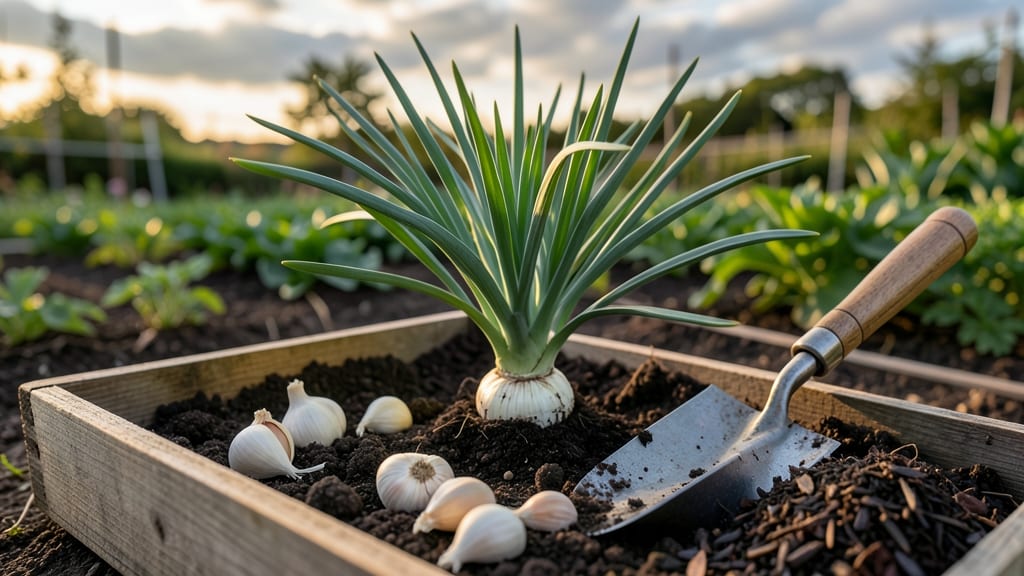
Planting garlic in Adelaide at the wrong time means the difference between plump, flavorful bulbs and disappointing harvests. With Zone 8a winters and unpredictable autumns, timing is everything—especially when you want hardneck varieties to develop properly before frost.
Most gardeners in Adelaide swear by autumn planting, but even a 2-week delay can throw off root development. I’ve learned the hard way that late August or early May is your sweet spot, giving cloves enough time to establish before winter sets in.
Let’s break down exactly when to plant for the best results.
You don’t need a green thumb to grow great garlic—just the right conditions. From soil prep to spacing, I’ll share the key steps Adelaide gardeners use to ensure strong, healthy plants that resist wind and frost. Ready to get started?
Whether you’re a beginner or a seasoned grower, these tips will help you avoid common mistakes and maximize your harvest. Let’s dive into the best practices for planting 🧄 garlic in Adelaide’s unique climate.
Best autumn planting months for garlic in Adelaide’s climate zones
Adelaide’s USDA Zone 8a climate creates unique challenges for garlic growers, where mild winters and unpredictable autumn frosts demand precise timing. Unlike cooler regions, your hardneck and softneck varieties need 4-6 weeks of root establishment before winter sets in—typically by mid-May for most areas.
But coastal zones like Glenelg can plant 2 weeks later thanks to ocean moderation, while inland spots like Barossa Valley may need to start earlier to avoid early frosts.
Hardneck varieties like ‘Silverskin’ or ‘Purple Stripe’ thrive when planted in April-May, giving bulbs time to mature before Adelaide’s first frost (June 1). Softneck types such as ‘Artichoke’ are more flexible but still benefit from autumn planting to avoid summer heat stress.
The key? Soil temperature should drop below 10°C (50°F) but not freeze—this triggers bulb formation.
Here’s the critical comparison table for Adelaide’s microclimates:
For coastal Adelaide, where ocean breezes delay frosts, aim for late April to early May. Areas like Glenelg often see fewer than 10 frost nights, allowing a slightly later start.
In contrast, inland regions such as Barossa Valley should plant by mid-April—delaying risks bulb rot from prolonged winter moisture. Always check your local Bureau of Meteorology frost forecasts for adjustments.
Hardneck garlic requires cold vernalization (a period of consistent temps below 10°C) to form bulbs, making autumn planting essential. Softnecks are more adaptable but still need 60-90 days of cool weather before summer heat arrives.
If you miss the April-May window, consider a late winter (August) planting for a spring harvest, though yields may be smaller.
Protect your garlic from Adelaide’s windy autumns by planting in sheltered spots or using windbreaks. Mulch with straw or lucerne hay once soil temps drop to 15°C to retain moisture and insulate roots.
Avoid planting in low-lying areas where cold air pools—these spots can freeze soil weeks earlier than higher elevations.
Monitor your garlic’s progress by checking for sprouting cloves within 2-3 weeks of planting. If shoots appear before soil temps drop below 10°C, they’ll grow weak and spindly. In this case, cover with a light frost blanket during the day to slow growth until conditions stabilize.
For coastal gardens, this is less critical, but inland growers should be vigilant.
Harvest timing depends on planting date: autumn-planted garlic is ready by November-December, while winter-planted varieties mature by March-April. Look for brown lower leaves and flattened stems—these are your cues to dig carefully.
Store bulbs in a cool, dry place with good airflow to prevent mold, especially in Adelaide’s humid summers.
Remember: soil preparation is just as critical as timing. Test your soil’s pH (6.0-7.0 ideal) and amend with compost or aged manure before planting. Adelaide’s alkaline soils often need gypsum or sulfur to create the perfect environment for bulb development. With the right timing and care, your garlic will
How to prepare garlic cloves for Adelaide’s soil and weather challenges
Adelaide’s windy autumns and clay-heavy soils can stress garlic cloves if not prepared properly. The key to strong root development lies in soaking, soil amendments, and strategic planting depth. By following these steps, you’ll give your garlic the best chance to establish before winter sets in.
Start by selecting plump, firm cloves from organic garlic bulbs—avoid any with sprouts or soft spots. These cloves will have the energy to push through Adelaide’s cool, dry winds and establish roots before the ground cools.
I always choose hardneck varieties like ‘German White’ or ‘Purple Stripe’ for their resilience in our climate.
Step-by-Step Garlic Clove Prep for Adelaide
- Step 1: Soak cloves in lukewarm water for 6-12 hours to kickstart root growth. This is especially helpful if your soil drains poorly.
- Step 2: Adjust soil pH to 6.0-7.0 using lime if needed—Adelaide’s native soils often test acidic. Test with a simple soil pH kit from your local garden center.
- Step 3: Mix in compost or aged manure to improve drainage and fertility. Adelaide’s clay can compact easily, so aim for 30% organic matter in your planting mix.
- Step 4: Plant cloves 2 inches deep, 4-6 inches apart in rows 12 inches apart. The pointed end should face up to encourage upward growth.
- Step 5: Mulch with straw or lucerne hay (3-4 inches deep) to protect cloves from wind desiccation and retain moisture during Adelaide’s dry autumns.
For extra protection against strong coastal winds, consider planting garlic in raised beds or along windbreaks like native shrubs. I’ve found that even a simple wire mesh barrier can reduce wind stress enough to improve germination rates. Water lightly after planting to settle the soil around the cloves.
If your soil drains poorly, create mounds or ridges to prevent waterlogging—a common issue in Adelaide’s winter. Well-drained garlic bulbs develop 3x faster than those in soggy conditions. After planting, mark your rows with biodegradable flags to avoid disturbing the soil when weeding later.
Finally, monitor for early frost warnings in June. While garlic tolerates light frosts, a sudden hard freeze can damage young shoots. If frost is forecast, cover plants with frost cloth until temperatures rise.
With these preparations, your garlic will be ready to thrive through Adelaide’s winter and produce bold, flavorful bulbs by spring.