
Trees
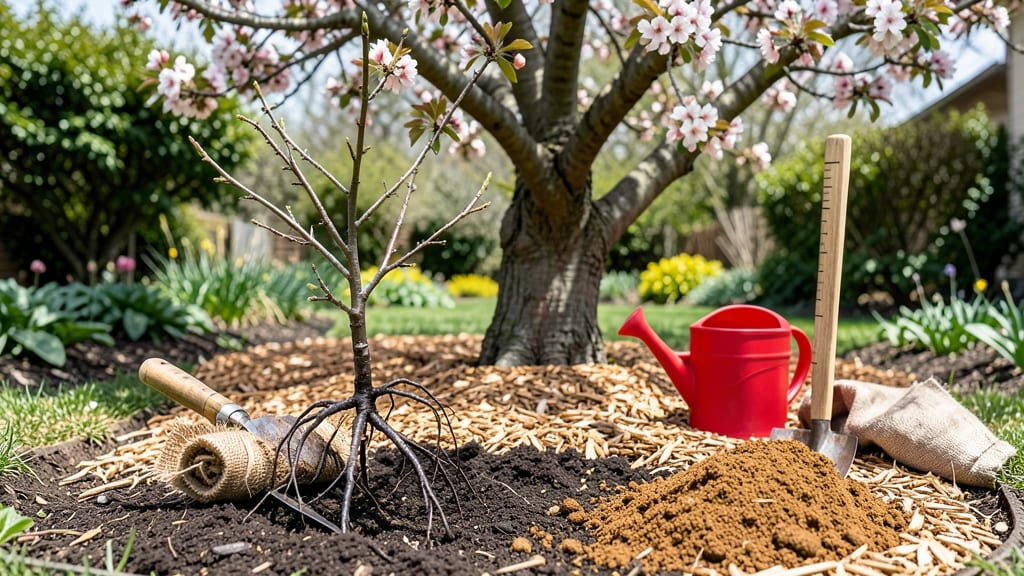
Planting fruit trees in Massachusetts at the wrong time can mean the difference between a thriving orchard and a sad, frost-killed sapling.
I’ve seen it happen too many times—gardeners rushing to plant in early spring, only to watch their young trees wilt when the last frost hits. The key? Timing it right with chill-hour requirements and Massachusetts’ unpredictable weather.
Whether you’re growing apples in the Berkshires or peaches near Boston, knowing when to plant makes all the difference.
Fall is actually the best time for most fruit trees in Massachusetts, but not all varieties thrive in the same window. Some need the ground to be warm and workable in early spring, while others benefit from winter’s chill to set fruit later.
Let’s break down the exact months and varieties that work best in your zone.
You’ll discover how to match your climate to the right tree, prepare soil for success, and protect young roots from early frosts. By the end, you’ll have a clear schedule for planting fruit trees that grow strong and bear fruit for years.
Best planting months for fruit trees in Massachusetts by chill-hour requirements
Massachusetts gardeners face a unique challenge when planting fruit trees: our variable climate and chill-hour requirements vary dramatically across regions. Western MA's cooler microclimates demand different timing than Boston's urban heat islands or Cape Cod's coastal moderation.
The key is planting during your tree's dormant season—when roots establish without competing with leaf growth.
Fall planting (September–October) is ideal for most varieties, giving roots 6–8 weeks to establish before winter dormancy. Spring planting (April–May) works for bare-root trees, but requires careful frost monitoring. Let's break down the best windows by tree type and your specific MA region.
Chill hours (the number of hours below 45°F a tree needs to flower) dictate which varieties thrive where. For example, Honeycrisp apples need 800+ chill hours, while Reliance peaches only require 300–400 hours. Cape Cod's milder winters may struggle with high-chill varieties, while Western MA's cold snaps protect them.
| Tree Variety | Chill Hours Needed | Best MA Regions | Fall Planting Window | Spring Planting Window |
|---|---|---|---|---|
| Honeycrisp Apple | 800+ | Western MA, Boston | Mid-Sept to Oct 15 | Late April to May 1 |
| Reliance Peach | 300–400 | Cape Cod, Coastal MA | Late Sept to Oct 10 | Early April to April 30 |
| Stella Cherry | 500–600 | All MA regions | Early Sept to Oct 1 | Late April to May 15 |
| Elberta Peach | 600–700 | Western MA, Worcester | Mid-Sept to Oct 1 | Late April to May 1 |
| Montmorency Tart Cherry | 900+ | Northern MA only | Early Sept to Sept 20 | Early April to April 15 |
For Western MA gardeners (USDA Zones 5–6), aim for September 15–October 15 planting. The cooler nights help roots establish before winter. In Boston, urban heat can delay frost—plant 2–3 weeks later than rural areas to avoid early dormancy stress.
Cape Cod's coastal moderation extends the window until October 10, but avoid planting after October 15 to prevent root freeze.
Spring planting is riskier but works if you use bare-root trees and plant before buds swell. For Boston and coastal areas, wait until May 1 to avoid late frosts. In Western MA, plant by April 30 to give roots time to establish before summer heat.
Always check your local last frost date—Western MA averages April 15, while Cape Cod sees frost as late as May 10.
Regional microclimates matter! A south-facing slope in Western MA may warm 2–3°F faster than a north-facing yard, extending your planting window. Urban Boston's heat island effect can push chill hours down by 100–150 hours, making low-chill varieties like Reliance peaches safer bets.
Use this chill-hour calculator to verify your zone: UMass Extension Chill Hour Tool.
Pro tip: Container-grown trees can be planted 2 weeks later than bare-root varieties since their roots are already established. Just ensure the root ball stays moist during transplanting. For dwarf varieties, prioritize fall planting—their smaller root systems establish faster, leading to earlier fruiting.
After planting, mulch heavily (4–6 inches of straw) to insulate roots from winter temperature swings. In Cape Cod's windy conditions, add a windbreak of burlap or evergreens to protect young trees.
Water deeply once a week during dormant months to prevent desiccation stress—a common issue in MA's dry winters.
Remember: Timing is 50% of success with fruit trees. Use this chart as your guide, but always adjust for your microclimate.
Whether you're planting a Honeycrisp apple in the Berkshires or a Stella cherry on Cape Cod, the right chill-hour match and planting window will set you up for decades of harvests. 🌳
Chill-hour chart: matching Massachusetts fruit tree varieties to your hardiness Zone
Massachusetts spans USDA hardiness zones 5-7, but not all fruit trees thrive equally here. The key? Chill hours—the number of hours below 45°F (7°C) a tree needs to flower and fruit.
In MA, most zones average 800-1,200 chill hours, but microclimates vary. For example, Western MA (Zone 5) gets more chill hours than Cape Cod (Zone 7), so variety selection matters.
If you plant a peach tree needing 1,000 chill hours in a Zone 6b area with only 800 hours, it may bloom poorly or produce little fruit.
Use this chart to match cold-hardy varieties to your zone and avoid costly mistakes. Honeycrisp apples and Stella cherries are top picks for MA gardeners because they meet chill-hour requirements while resisting common pests.
| Variety | Chill Hours | Best Zones | Notes |
|---|---|---|---|
| Honeycrisp Apple | 800-1,000 | 5-7 | Crisp, sweet; resists fire blight |
| Reliance Peach | 800-1,000 | 6-7 | Disease-resistant; needs staking |
| Stella Cherry | 600-800 | 5-7 | Sweet, self-pollinating; early ripener |
| Harvest Gold Pear | 700-900 | 5-6 | Long storage life; needs cross-pollination |
| Montmorency Tart Cherry | 900-1,100 | 5-6 | Sour; great for preserves; needs cold |
To calculate your local chill hours, use a home weather station or check the USDA Plant Hardiness Zone Map. For example, Amherst (Zone 5a) averages 1,100 chill hours, while Providence (Zone 6b) gets around 900 hours.
If you’re unsure, opt for low-chill varieties like Stella cherries, which adapt better to warmer microclimates in Zone 7 areas like Cape Cod.
For Zone 5 gardeners, prioritize high-chill varieties like Montmorency cherries or McIntosh apples. In Zone 6-7, focus on Reliance peaches or Honeycrisp apples, which balance chill needs with heat tolerance.
Always plant bare-root trees in early spring (March-April) or fall (October-November) for best root establishment before dormancy.
Mismatched chill hours lead to poor flowering or no fruit set. For instance, a Southern peach variety with 500 chill hours planted in Western MA may produce flowers but no fruit.
To test your tree’s chill hours, track winter temperatures with a minimum-maximum thermometer placed near the planting site for at least 3 years.
Pro tip: Pair low-chill varieties with high-chill pollinators when planting. For example, a Stella cherry (600 hours) paired with a Montmorency cherry (1,100 hours) ensures cross-pollination. Always buy certified MA-grown trees from nurseries like Stark Bro’s or Richters, which specialize in cold-hardy rootstocks like M.9 or B.9 for apples.