
Plants
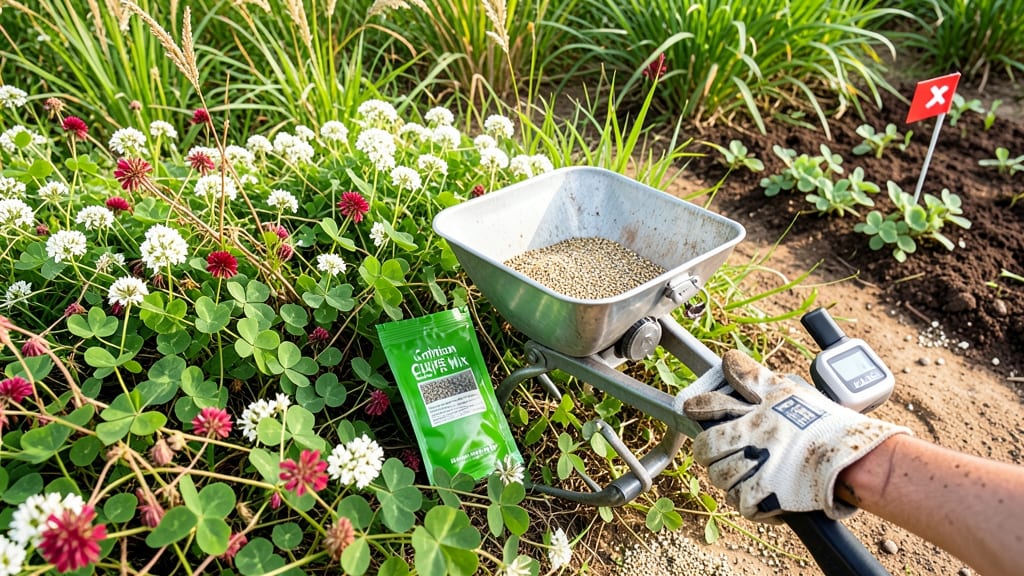
Planting food plots in Florida isn’t just about dropping seeds—it’s about timing them right to beat the heat, avoid pests, and ensure your deer or wildlife have a year-round buffet.
Unlike northern states, Florida’s frost-free climate means you can plant 🌱 food plots almost anytime, but the best windows are spring and fall when temperatures cooperate.
Skipping the summer months isn’t just smart—it’s essential. June through August’s brutal heat can stress young plants, leading to stunted growth or even failure. Instead, focus on cooler seasons when rainfall is steady and soil stays workable, giving your plots the best shot at thriving.
But here’s the kicker: Florida’s microclimates mean North Florida’s planting schedule differs from South Florida’s. A crop perfect for the Panhandle’s milder winters might flop in the humidity of the Everglades.
I’ll break down the exact months to plant, which crops to choose, and how to adjust for your specific corner of the state.
Ready to turn your property into a wildlife magnet? Let’s dive into the optimal planting calendar that’ll keep your food plots lush, productive, and irresistible to deer all year long.
Best months to plant food plots in Florida by season (avoiding frost & heat stress)
Florida’s frost-free climate makes food plot planting possible year-round, but timing still matters to avoid heat stress and pest pressure. Unlike northern states, you won’t deal with frost damage, but temperature extremes and rainfall patterns dictate the best windows.
For example, cool-season crops like clover thrive in fall and winter, while warm-season staples such as sorghum and millet need spring or early summer planting to escape peak heat.
Most Florida gardeners divide planting into three key phases: cool-season (Oct-Mar), transition (Apr-May), and warm-season (Jun-Sep). Each phase aligns with rainfall peaks and temperature thresholds that prevent seedling shock.
For instance, June-August is the riskiest month—soaring temps can scorch young seedlings before they establish roots. Meanwhile, September-October offers ideal conditions for cool-season crops to germinate before winter sets in.
Here’s the breakdown you need: optimal planting months for Florida’s top 10 food plot crops, including soil prep tips and watering strategies to maximize success.
| Crop | Best Planting Months | Temperature Range (°F) | Rainfall Needs | Key Tip | |||||||||||||
|---|---|---|---|---|---|---|---|---|---|---|---|---|---|---|---|---|---|
| Clover (White/Red) | Sep-Oct, Feb-Mar | 60-75°F | 1-1.5" weekly | Avoid summer planting—heat causes bolting. | |||||||||||||
| Brassicas (Turnips/Radishes) | Oct-Nov, Feb-Mar | 50-70°F | 1-2" weekly | Use mulch to retain moisture in dry winters. | |||||||||||||
| Sorghum/Sudangrass | May-Jun, Aug | 75-90°F | 1.5-2" weekly | Plant after last spring frost risk (rare in FL). | |||||||||||||
| Lespedeza | Mar-Apr, Sep | 65-85°F | 1-1.5" weekly | Drought-tolerant once established. | |||||||||||||
| Peas (Cowpeas) | Aug-Sep, Feb-Mar | 60-85°F | 1-2" weekly | Avoid waterlogging—peas hate soggy soil. | |||||||||||||
| Millet | Jun-Jul | 80-95°F | 1.5-2" weekly | Fast-growing—plant when soil temps exceed 75°F. | |||||||||||||
| Sunflowers | Apr-May, Sep | 65-80°F | 1-1.5" weekly | Thin seedlings to 6" apart for best growth. | |||||||||||||
| Ryegrass |
How to adjust planting timing for Florida’s microclimates (North vs. south vs. Panhandle)Florida’s diverse microclimates mean your food plot timing should shift dramatically from the Panhandle to South Florida. While the Panhandle sees occasional frost, South Florida’s year-round warmth lets you plant almost anytime. Even North Florida has unique humidity patterns that affect germination. Understanding these regional differences ensures your clover, brassicas, or sorghum thrive without wasted effort. In the Panhandle (Zones 8a-9a), you’ll still experience light frosts in winter, while North Florida (Zones 8b-9b) stays mostly frost-free but has higher humidity that can stunt seeds if planted too early. Meanwhile, South Florida (Zones 10a-11) offers year-round planting, but summer heat demands shade-tolerant or heat-resistant varieties. Let’s break down the best planting windows for each region.
For the Panhandle, focus on cool-season crops like clover and rye in early spring, as temperatures drop slightly in winter. These plants establish quickly before humidity spikes in late spring. Meanwhile, North Florida gardeners can push planting into late summer for warm-season staples like sorghum and millet, but avoid June’s brutal heat, which can scorch young seedlings. In South Florida, the real trick is managing humidity. While you can plant almost anytime, summer months (June-August) demand heat-resistant varieties or partial shade to prevent wilting. I’ve had great success with cowpeas and amaranth during these months—they thrive in the heat while other crops struggle. For year-round plots, rotate crops every 3-4 months to maintain soil health. One critical adjustment across all regions is soil prep timing. In the Panhandle and North Florida, till 2-3 weeks before planting to let humidity break down clods. In South Florida, focus on drainage improvements before planting, especially in low-lying areas where summer rains can drown seeds. A raised bed approach works wonders in these zones. Pro tip: Use mulch heavily in North and South Florida to retain moisture during dry spells or high evaporation periods. In the Panhandle, a light straw layer protects seeds from sudden frost if planted in late March. With these regional tweaks, your food plots will flourish no matter where you’re planting in Florida. 🌱 |