
Flowers
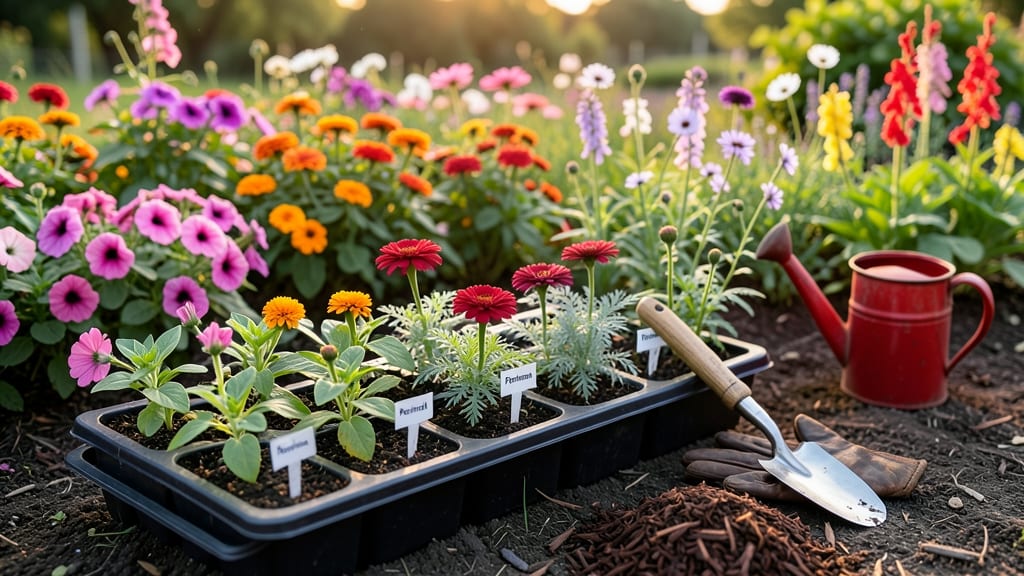
Planting flowers in Georgia at the wrong time can mean the difference between a garden bursting with color and one that fizzles out before summer even arrives.
With USDA zones ranging from 7a to 9a, timing your 🌸 flowers right is the key to avoiding frost damage or wilting in the heat.
Whether you're in Atlanta, Savannah, or the mountains, knowing your last frost date—typically mid-March—helps you decide when to plant cool-season blooms like pansies or warm-season favorites like hibiscus.
But here's the catch: coastal Georgia's milder winters mean you can start earlier than inland areas, where a late freeze can still sneak in.
In this guide, I’ll break down the exact planting windows for Georgia’s climate zones, so you can enjoy vibrant blooms from spring through fall. From soil prep to heat-zone deadlines, you’ll learn how to give your flowers the best possible start—no guesswork required.
Ready to transform your garden into a year-round paradise? Let’s dive into the perfect timing for every type of flower, tailored just for Georgia’s unique growing conditions.
Georgia’s frost-free planting zones: when to plant flowers by month
Georgia’s USDA hardiness zones 7a-8b create a near-year-round growing window, but frost dates still dictate when to plant flowers for maximum success. The last frost dates vary dramatically across the state—from mid-February in Savannah to mid-March in Atlanta—while first frosts arrive as early as mid-November in the mountains.
Understanding these deadlines helps you align your cool-season flowers (like pansies) with spring and warm-season bloomers (like hibiscus) with summer.
Your microclimate also plays a critical role. Urban Atlanta gardens may experience 5°F warmer nights than rural areas, while coastal Savannah enjoys 100+ frost-free days longer than the Piedmont.
Adjust planting times accordingly—bulbs like daffodils should go in October-November, while tender annuals like petunias wait until after April 15 in most zones.
Key takeaway: Plant cool-season flowers 4-6 weeks before your last frost, and warm-season flowers 2-3 weeks after. For perennials, early spring (March) is ideal, while fall-planted bulbs (like tulips) need 6-8 weeks of chilling before blooming.
For annual flowers, start seeds indoors 6-8 weeks before your last frost date. Cool-season varieties like pansies, snapdragons, and sweet alyssum thrive when planted in late winter, while warm-season powerhouses such as marigolds, zinnias, and sunflowers need soil temperatures above 60°F—typically late April to May in most of Georgia.
Georgia’s fall planting window is equally important. Mums, asters, and salvia planted in August-September will bloom through October and November before winter sets in. Bulbs like crocus can even be planted as late as November in milder zones (8a-8b), while tender perennials like canna lilies should be dug up and stored before first frost.
Don’t overlook container gardening—it extends your season! Pots can be moved to sheltered spots during cold snaps or placed in sunny windows in winter. Petunias, geraniums, and impatiens thrive in containers and can be planted 2-3 weeks later than in-ground flowers to avoid early frost damage.
Pro tip: Use row covers or cold frames to push spring planting 2-3 weeks earlier. These protect tender seedlings from late frosts while letting them soak up winter sunlight. Just remove covers when daytime temps exceed 70°F to prevent overheating.
If you’re in Zone 8a or warmer, you can even plant some flowers year-round. Marigolds, zinnias, and cosmos are heat-tolerant and can handle summer’s 90°F+ days. For shade-loving flowers like impatiens or fuchsias, plant them in late spring (May) to avoid midday heat stress.
Remember: Soil temperature matters more than air temperature. Use a soil thermometer to confirm 60°F+ for warm-season flowers and 50°F+ for cool-season varieties. In sandy soils (common in coastal GA), water deeply to maintain moisture levels during d
Best flowers to plant in Georgia by season: a heat-zone guide
Georgia’s extended growing season and humid subtropical climate create perfect conditions for vibrant flower gardens—but timing is everything. Planting too early risks frost damage, while waiting too long can leave your garden bare during peak bloom seasons.
The key is matching cold-hardy flowers to early spring, heat-tolerant varieties to summer, and fall favorites that brave cooler temperatures before winter sets in.
From pansies and snapdragons that thrive in cooler months to hibiscus and salvia that flourish in Georgia’s summer heat, each season offers unique opportunities. Don’t forget drought-resistant picks like lantana and black-eyed Susan, which handle Georgia’s dry spells with ease.
Let’s break down the best flowers for each season and when to plant them for maximum impact.
- 🌱 Early Spring (Feb-March) – Plant pansies, snapdragons, and sweet alyssum 6-8 weeks before last frost (Atlanta: March 15, Savannah: Feb 15). These cold-hardy annuals tolerate light frosts and bloom early.
- ☀️ Late Spring (April) – Transition to petunias, marigolds, and zinnias after frost risk passes. Add perennials like black-eyed Susans for long-term color and drought resistance.
- 🔥 Summer (May-July) – Focus on heat-lovers like hibiscus, salvia, and lantana. Mulch heavily to retain moisture and protect roots from Georgia’s intense sun.
- 🍂 Fall (August-Sept) – Plant mums, asters, and cosmos for late-season blooms. These thrive in cooler temps and add color before winter. Avoid tender annuals like impatiens.
- 🌿 Winter (Oct-Nov) – Prep for spring by planting bulbs like tulips and daffodils 6-8 weeks before last frost. Use winter pansies or hellebores for early color in milder zones.
For early spring, prioritize cold-resistant annuals like pansies and snapdragons, which handle Georgia’s occasional frosts and bloom as soon as temperatures rise. These flowers also deter pests naturally, making them a smart choice for organic gardens. Plant them in well-draining soil with partial shade to protect from late frosts.
When summer arrives, swap out cool-season flowers for heat-tolerant varieties like hibiscus and salvia. These thrive in Georgia’s 90°F+ temperatures and add bold colors to your garden. Pair them with drought-resistant ground covers like creeping thyme to reduce watering needs during dry spells.
Fall is the perfect time to plant mums and asters, which love cooler temperatures and add vibrant hues before winter. These flowers also attract pollinators like bees and butterflies, boosting your garden’s biodiversity.
For container gardens, opt for petunias or geraniums—they handle Georgia’s humidity well and bloom until frost.
Don’t overlook perennials like coneflowers and black-eyed Susans, which establish strong roots in fall and reward you with years of low-maintenance blooms. These native plants also support local wildlife, making them an eco-friendly choice for Georgia gardens.
To maximize your garden’s potential, align your planting schedule with Georgia’s frost-free deadlines and heat zones. With the right flowers for each season, your garden will stay vibrant from early spring to late fall—proving that timing is the secret to a showstopping display. 🌷