
Flowers
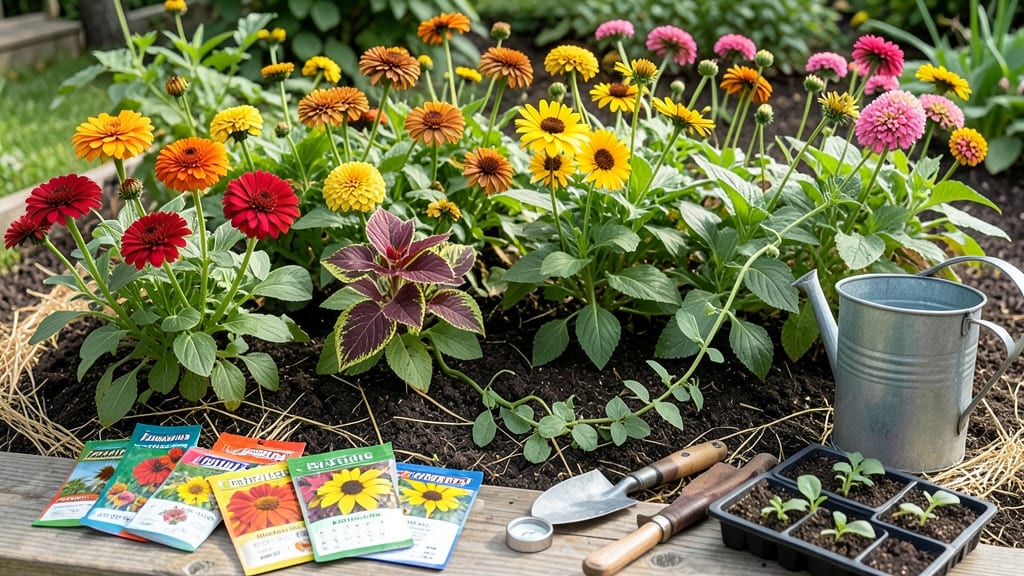
Planting your 🌸 flowers at the right time in Arkansas isn’t just about following a calendar—it’s about beating the last frost in your county and giving your blooms the best shot at thriving.
With USDA Zones 7a-8a and frost dates that can shift by weeks depending on where you live, timing matters more than you might think.
If you’ve ever watched your seedlings wilt overnight or your perennials struggle to take root, you’re not alone. The key to avoiding these common mistakes? Knowing when to plant—whether you’re sowing annuals in February or prepping bulbs in September.
I’ll break down the exact windows for Arkansas gardeners, so you can skip the guesswork and start seeing those vibrant blooms you’ve been dreaming of.
From azaleas that burst into color in spring to marigolds that love Arkansas summers, each flower has its own ideal planting schedule. We’ll cover how to adjust for your specific county, whether you’re in the cooler northwest or the warmer southeast.
Ready to turn your garden into a year-round showstopper? Let’s get started.
You’ll also discover how to prep your soil, choose the right varieties for your microclimate, and even extend your growing season with simple tricks. No more waiting until it’s too late—just a clear, actionable plan tailored to Arkansas’s unique growing conditions.
Your future garden (and your neighbors’ green envy) will thank you.
Arkansas heat zones & frost dates by county: when to plant flowers
Arkansas spans USDA Hardiness Zones 6a through 8a, creating a diverse planting climate where last frost dates vary by 3-4 weeks across regions. The Northeast corner (Zone 6a) faces later springs, while the Southeast (Zone 8a) enjoys extended growing seasons.
Understanding these county-specific patterns is key to avoiding frost damage and maximizing bloom times for your favorite flowers.
For example, Benton County (Zone 7a) typically sees its last frost around March 15, while St. Francis County (Zone 8a) can safely plant as early as February 20. These differences mean your spring-blooming tulips in Little Rock may thrive weeks earlier than those in Mountain Home.
Let’s break down the essential frost dates and planting windows by region to help you plan like a pro.
| Region | USDA Zone | Avg. Last Frost | Avg. First Frost | Best Planting Window | Key Flowers to Plant |
|---|---|---|---|---|---|
| Northeast (Benton, Washington, Madison) | 6a-7a | March 15-20 | November 5-10 | March 20 - April 15 (spring) / August 15 - Sept 15 (fall) | Tulips, Dahlias, Black-Eyed Susans, Coneflowers |
| Northwest (Crawford, Franklin, Sebastian) | 7a | March 10-15 | November 10-15 | March 25 - April 10 (spring) / August 10 - Sept 10 (fall) | Peonies, Irises, Marigolds, Zinnias |
| Central (Pulaski, Saline, Faulkner) | 7b | March 5-10 | November 15-20 | March 15 - April 5 (spring) / August 5 - Sept 5 (fall) | Lilies, Roses, Petunias, Snapdragons |
| Southeast (Arkansas, Monroe, St. Francis) | 8a | February 20 - March 5 | November 25 - Dec 5 | February 25 - March 15 (spring) / July 20 - Aug 20 (fall) | Camellias, Gardenias, Impatiens, Vinca |
| Southwest (Sevier, Howard, Little River) | 7b-8a | March 1-10 | November 10-20 | March 10 - April 1 (spring) / August 1 - Sept 1 (fall) | Salvias, Coreopsis, Lantana, Pentas |
| Pro Tip: Always check your local extension office for micro-climate adjustments (e.g., valleys vs. hills). | |||||
If you’re planting perennials like lavender or daylilies, aim for the earliest safe dates in your zone—these hardy plants can handle light frosts once established.
For tender annuals like marigolds or petunias, wait until two weeks after your last frost date to avoid cold snaps that can kill young seedlings.
Bulbs like tulips and daffodils should go into the ground 8-10 weeks before your first frost (typically October-November in most of Arkansas). In Zone 6a, plant them by October 15, while Zone 8a gardeners can wait until November 1.
For fall planting, focus on cool-season flowers like pansies and snapdragons—these thrive when temperatures drop below 80°F. In Southeast Arkansas (Zone 8a), you can even plant winter annuals like sweet alyssum as late as September 30.
In Northeast Arkansas (Zone 6a), rush to get them in by September 15 to avoid early frosts.
Don’t forget to adjust for microclimates—a south-facing slope warms up faster than a shady valley. Use row covers or cold frames to extend your spring planting window by 2-3 weeks if a late frost threatens.
This is especially helpful for tender perennials like cannas or annuals like impatiens.
For container gardening, you have more flexibility—move pots to protected areas during cold snaps. Slow-release fertilizers applied in early spring (after last frost) give flowers a head start without burning young roots. And always mulch around plants to regulate soil temperature and retain moisture.
Finally, keep an eye on the Arkansas Climate Office or your local Cooperative Extension Service for real-time frost alerts. Even a single night below 32
Best flowers to plant by season in Arkansas (with planting timelines)
Arkansas’s diverse climate, spanning USDA zones 6a-8a, lets you grow stunning flowers year-round if you time it right. The key is knowing when to plant each variety to avoid frost damage or summer wilting.
Whether you’re a beginner or seasoned gardener, these seasonal planting timelines will help you create a garden that blooms from spring to fall.
Spring is the best time to plant perennials and bulbs, while summer and fall are ideal for annuals and heat-loving varieties. Arkansas’s last frost dates typically fall between March 15 and April 15, depending on your county.
Use these guidelines to maximize your garden’s potential and enjoy continuous color throughout the year.
🌱 Numbered Highlights: When to Plant Flowers in Arkansas
- 🌸 Spring (March-May): Plant azaleas, tulips, and peonies after the last frost (mid-March to early April). Start annuals like petunias indoors in February.
- ☀️ Summer (June-August): Sow marigolds, zinnias, and sunflowers after Memorial Day. Transplant heat-tolerant perennials like lantana in July.
- 🍂 Fall (September-November): Plant chrysanthemums, pansies, and fall bulbs like daffodils in September-October. Avoid planting after first frost (mid-November).
- ❄️ Winter (December-February): Focus on bulb planting (tulips, hyacinths) in December-January. Prune perennials and mulch to protect roots.
🌿 Note: Adjust dates 2-4 weeks earlier for northern Arkansas (Zone 6a) and later for southern Arkansas (Zone 8a).
For spring planting, focus on native Arkansas flowers like black-eyed Susans and coreopsis, which thrive in the state’s well-draining soil. Start seeds indoors in February for early blooms, then transplant outdoors after the last frost. Azaleas and camellias love Arkansas’s acidic soil and bloom beautifully in spring.
Summer is all about heat-loving annuals. Marigolds, zinnias, and sunflowers thrive in Arkansas’s hot, humid summers and attract pollinators. Plant them after Memorial Day (late May) when soil temperatures exceed 60°F. Lantana and salvia are perfect for drought-tolerant gardens and bloom nonstop with minimal water.
Fall is the second-best planting season in Arkansas. Chrysanthemums, pansies, and fall-blooming asters add color to your garden as temperatures cool. Plant bulbs like tulips and daffodils in September-October for stunning spring blooms. Avoid planting after the first frost (mid-November), as young roots won’t survive.
Winter may seem quiet, but it’s the perfect time to prepare for next year’s blooms. Plant spring-blooming bulbs like tulips and hyacinths in December-January while the ground is still workable.
Prune perennials and deadhead spent blooms to encourage new growth. Mulch heavily to protect roots from freezing temperatures and retain moisture.
Pro tip: Use row covers or cold frames to extend your planting season in northern Arkansas (Zone 6a). For southern Arkansas (Zone 8a)tender annuals like impatiens as early as February. Always check your local frost dates and adjust accordingly for the best results.