
Plants
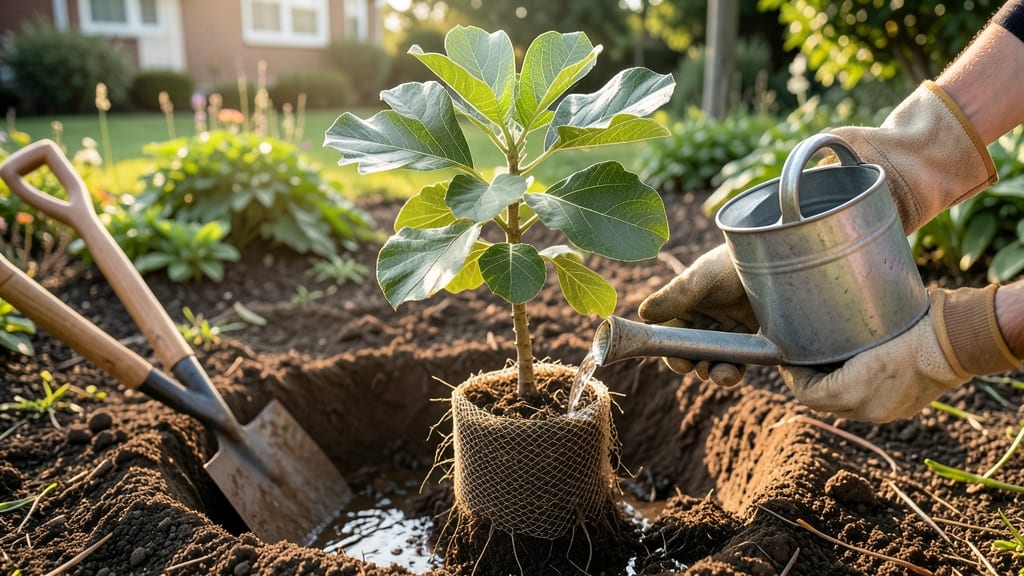
Planting your 🌳 fig tree in the ground at the wrong time can mean the difference between a thriving fruit-bearing tree and a sad, frost-nibbled sapling.
In USDA Zone 6a and beyond, timing isn’t just about the calendar—it’s about waiting for that sweet spot when the soil warms enough to support root growth without inviting early frost damage.
Most gardeners in cooler climates know the struggle: rush planting too soon, and your fig tree’s delicate roots will freeze before they can take hold. But wait too long, and you risk stunted growth or missed seasonal benefits.
The key is planting after your last frost date—typically in April or May—when soil temperatures consistently stay above 60°F.
If you’re transplanting a potted fig tree, the window is even tighter. Bare-root varieties need special care to avoid shock, while container-grown trees give you a little more flexibility. I’ll break down exactly how to tell when your climate is truly ready—no guesswork, just science-backed signs.
Ready to avoid common planting mistakes? You’ll discover how to prep your soil, choose the perfect spot, and protect your fig tree from late frosts. Let’s get those roots growing strong so you can enjoy a bountiful harvest from July through October.
Optimal planting dates for fig trees by USDA zone
Fig trees thrive in warm climates but can adapt to cooler zones with proper timing. Planting too early risks frost damage, while waiting too long may stunt root development.
The key is aligning your planting with your USDA zone and soil temperature thresholds—typically 60°F or warmer—to ensure successful establishment. In colder zones, container growing or microclimate protection becomes essential for survival.
Most fig varieties prefer spring planting after the last frost date, but regional microclimates can shift these deadlines by weeks. Coastal areas often have earlier frost-free dates than inland zones, while high-altitude gardens may need to wait until summer.
Always check your local last frost date and adjust for 3-4 weeks of buffer time to account for unpredictable weather.
Soil temperature is just as critical as air temperature. Fig roots struggle in cold soil, so use a soil thermometer (or the back of your hand—if it feels cool to touch, it’s too cold). Aim for 60°F+ at 4-6 inches deep before planting. In USDA Zones 7-11, this usually aligns with late spring, but northern edges of Zone 7 may need to wait until early summer.
Here’s a quick reference for optimal planting windows by zone, including soil temperature goals and microclimate adjustments:
| USDA Zone | Ideal Planting Window | Soil Temp Goal (°F) | Microclimate Tips |
|---|---|---|---|
| Zone 7 (Northern Edge) | Late May–Early June | 65°F+ | Use containers or plant near south-facing walls |
| Zone 7 (Southern Edge) | Mid-April–Mid-May | 60°F+ | Mulch heavily to protect roots |
| Zone 8 | March–April | 58°F+ | Plant in sheltered microclimates (e.g., near buildings) |
| Zone 9 | February–March | 55°F+ | Early planting reduces heat stress |
| Zone 10 | January–February | 50°F+ | Avoid planting during rainy seasons |
| Zone 11 | November–December | 50°F+ | Winter planting avoids summer heat stress |
For USDA Zone 7, the transition zone, timing varies dramatically. Northern parts of the zone (e.g., St. Louis, MO) should wait until late May, while southern areas (e.g., Atlanta, GA) can plant as early as mid-April.
Always verify your local frost dates—tools like the National Weather Service or Almanac provide hyper-local data.
In Zones 8-11, fig trees can often be planted in early spring or even late fall (Zone 11). However, avoid planting during peak summer heat, as young roots are vulnerable to transplant shock.
If you must plant in summer, do so in early morning or late afternoon and provide daily shade for the first 2 weeks.
Pro tip: If your zone’s frost-free date is unpredictable, opt for container growing or plant in raised beds. Containers can be moved to garages or greenhouses during cold snaps, while raised beds warm up faster in spring.
For in-ground planting, choose south-facing slopes or areas near heat-retaining structures like brick walls.
Remember, fig trees are semi-tropical and drought-tolerant once established, but young trees need consistent moisture and warm soil to thrive. Rush planting, and you risk root rot or stunted growth.
Patience pays off—wait for the perfect window, and your fig tree will reward you with years of bountiful harvests.
🌱
Signs your climate is ready to plant fig trees (beyond dates)
Fig trees thrive when planted in warm soil, but relying solely on calendar dates can lead to mistakes. Instead, observe your local climate's natural cues to determine the perfect time. Soil warmth and native plant behavior are the best indicators that your fig tree is ready for the ground.
These signs help you avoid planting too early—risking frost damage—or too late, which can stunt growth.
One of the simplest ways to test soil readiness is by using the paper towel trick. Place a paper towel on the soil for a few minutes. If it feels warm to the touch (around 60°F or 15°C), your soil is ready.
This method works without a thermometer and aligns with the fig tree's need for warmth to establish roots quickly.
Native plants also signal when it's time. When dandelions or clover begin sprouting and flowering in your yard, it’s a sign that the ground has warmed enough for fig trees. These hardy plants emerge early in spring, making them reliable barometers for your climate's readiness.
🌱
- 1 Soil temperature reaches 60°F+—test with a thermometer or paper towel trick.
- 2 Native plants like dandelions or clover are flowering vigorously.
- 3 Daytime temperatures consistently stay above 55°F (13°C) for at least a week.
- 4 Nighttime lows remain above 45°F (7°C), reducing frost risk.
- 5 Your local fruit trees (like peaches or plums) are budding or flowering.
Another reliable method is observing fruit trees in your area. When peach or plum trees begin budding or flowering, it’s a strong indicator that the climate is warming up. Fig trees prefer similar conditions, so this is your cue to prepare the planting site and get your sapling ready.
If you’re in a cooler climate (USDA Zones 7-8), wait until after the last frost date and ensure nighttime temperatures stay above 45°F (7°C). In warmer climates (Zones 9-11), you can plant as early as late winter or early spring, but always check for soil warmth first.
Planting too early in these zones can still lead to root stress if the ground isn’t warm enough.
Once you’ve confirmed these signs, your fig tree will have the best chance of thriving. Warm soil and stable temperatures encourage strong root development, setting the stage for a productive harvest. Don’t rush—patience pays off with a healthier, more resilient tree. ☀️