
Plants
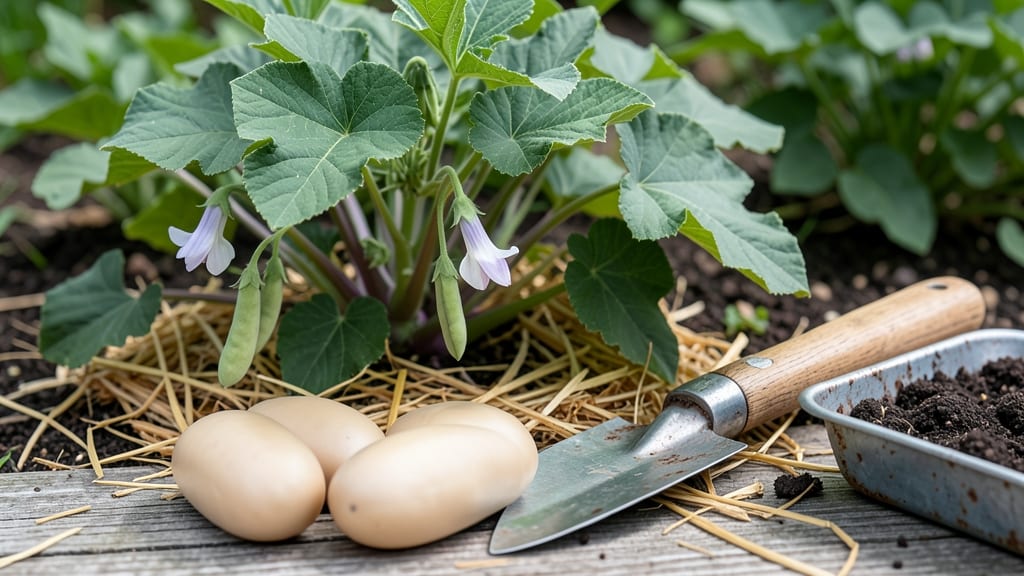
Planting fava beans at the wrong time in Zone 8 can mean missing out on their sweet, nutty flavor entirely—these cool-season crops demand precision to thrive.
The key lies in timing them perfectly for Zone 8’s mild winters, where a single misstep could leave you with bolted greens or stunted pods instead of a bountiful harvest.
Most gardeners in Zone 8 focus on two ideal windows: late summer for a winter harvest or late winter for spring pods. But here’s the catch—frost sensitivity and soil temperatures play a bigger role than you might think.
I’ll show you exactly how to align your planting schedule with Zone 8’s microclimates, whether you’re coastal or inland, to maximize your yield.
Why does this matter? Because fava beans 🌱 are one of the few vegetables that actually taste better after a light frost, but push them too early, and they’ll bolt before you get a chance to enjoy them.
Let’s break down the science behind the timing so you can plan with confidence—and avoid the common mistakes that waste your effort.
You’ll learn how to adjust for your specific location, choose the right varieties for Zone 8’s extended growing season, and even troubleshoot unexpected weather shifts. By the end, you’ll have a foolproof planting strategy that guarantees tender, flavorful pods straight from your garden.

Best planting windows for fava beans in Zone 8 (fall vs spring)
Fava beans are cool-season powerhouses that thrive in Zone 8's mild winters, but their planting windows are narrower than you might think. In this zone, timing is everything—plant too early, and summer heat will stress your plants before harvest.
Too late, and you’ll miss the sweet spot for tender pods. The key is leveraging Zone 8’s two distinct planting opportunities: early fall for winter harvests and late winter for spring crops.
Zone 8’s average last frost date falls around mid-December, while the first frost typically arrives in mid-January. This short window means fava beans can grow through winter and produce harvests before summer heat sets in.
The secret is planting when soil temperatures drop to 50-60°F—the sweet spot for germination and growth. Below this, seeds may rot; above it, plants bolt prematurely.
For most gardeners in Zone 8, the ideal planting window is a 6-week stretch from late August through early October. This gives plants time to establish roots before winter slows growth.
Alternatively, late winter (December through early February) offers a second chance for spring harvests. Both strategies work, but each requires different soil prep and frost management.
Here’s the critical comparison between fall and spring planting in Zone 8, including temperature thresholds, frost risks, and harvest timelines:
Fall planting is my top recommendation for Zone 8 gardeners. When you sow seeds in late August or early September, they germinate quickly in warm soil but slow down as temperatures drop. This strategy lets you harvest tender pods in February or March—just as spring vegetables start to emerge.
The trade-off? You’ll need to protect young plants with mulch or row covers if winter temperatures dip below 25°F.
For late-winter planting (December-January), aim for a soil temperature of 45-55°F. This cooler range is ideal for germination, but you’ll face higher frost risk. Use frost cloth or cold frames to shield seedlings until spring.
The reward? A spring harvest in April or May, timed perfectly for early summer meals. Just be warned: late frosts can still damage tender foliage.
Zone 8’s mild winters make fava beans a standout crop, but don’t assume you can plant anytime. Summer heat is their enemy—even a few days above 80°F can cause bolting.
That’s why I avoid spring planting entirely in this zone. Instead, I focus on the fall and winter windows, which align with fava beans’ natural growth rhythm.
Pro tip: Test your soil temperature with a soil thermometer before planting. Fava beans won’t germinate well in soil above 65°F or below 40°F. If your soil runs hotter in late summer, wait until early September to avoid stressing seedlings.
For cooler microclimates (like coastal areas), you can push planting into early October safely.
Remember, fava beans are not frost-tolerant like kale or spinach. While they survive light frosts, prolonged cold snaps can stunt growth.
In Zone 8’s mildest winters, this is rarely an issue, but inland areas with colder pockets should err on the side of earlier fall planting to ensure a full harvest before spring.
Once you’ve nailed the timing, success hinges on soil prep and spacing. Fava beans need well-draining soil with a pH of 6.0-7.5. Amend heavy clay with compost, and plant seeds 1-2 inches deep, 2-3 inches apart.
Thin seedlings to 6 inches apart when they’re 4 inches tall to prevent crowding. With the right timing and care, you’ll enjoy harvests for 6-8 weeks—longer than most home gardeners expect!
🌱
How to adjust planting dates for Zone 8’s microclimates
Zone 8’s varied climates—from coastal breezes to inland heat islands—can shift your fava bean planting window by weeks. A 1,000-foot elevation gain might delay frost by 2 weeks, while urban sidewalks can bake soil 10°F hotter than rural areas.
Understanding these microclimates helps you avoid late frosts or heat stress that stunt growth.
Start by identifying your local frost dates. While Zone 8’s average last frost is December 15, coastal areas like San Diego may stay frost-free until January 10, while inland valleys like Phoenix can see frosts as early as November 20.
Use the USDA Plant Hardiness Zone Map and local weather stations to refine your timeline.
⚠️ WARNING: Microclimates Can Ruin Your Fava Bean Harvest
⚠️ Planting too early in a warm microclimate (like urban areas) can trigger premature flowering, reducing pod yield. Conversely, delaying in cooler zones (like mountain foothills) risks frost damage before harvest. Soil temperature is your best guide: aim for 45–55°F for germination. Use a $15 soil thermometer to check 2 inches deep—this is more accurate than air temperature.
For elevation adjustments, subtract 1 week per 500 feet from your planting date. A garden at 3,000 feet in Zone 8a (e.g., Tucson) might plant 3 weeks earlier than sea-level areas.
Conversely, coastal gardens (like Santa Barbara) can extend planting until early December thanks to moderating ocean breezes.
Urban gardeners face heat island effects: asphalt and concrete can raise soil temps by 5–15°F. To counteract this, plant fava beans in raised beds filled with organic matter—this insulates roots and retains moisture.
Mulch with straw or wood chips to keep soil temps stable. If your area hits 85°F+ regularly, opt for shade-cloth during peak afternoon sun.
Leverage frost-free date calculators like the Old Farmer’s Almanac or NOAA’s Climate Data to input your exact location. These tools account for 30-year averages and local trends.
For example, Sacramento’s frost-free window is November 15–March 15, but a 1-mile shift inland might add 10 frost-free days to your growing season.
Test your soil’s readiness with a seed germination test: plant a few seeds in a pot and monitor sprouting time. If they take 14+ days to germinate, your soil’s too cold—wait another 1–2 weeks.
Pair this with a weekly frost alert app (like FrostWatch) to avoid surprises. With these adjustments, you’ll maximize your fava bean harvest by aligning planting dates with your unique microclimate.