
Plants
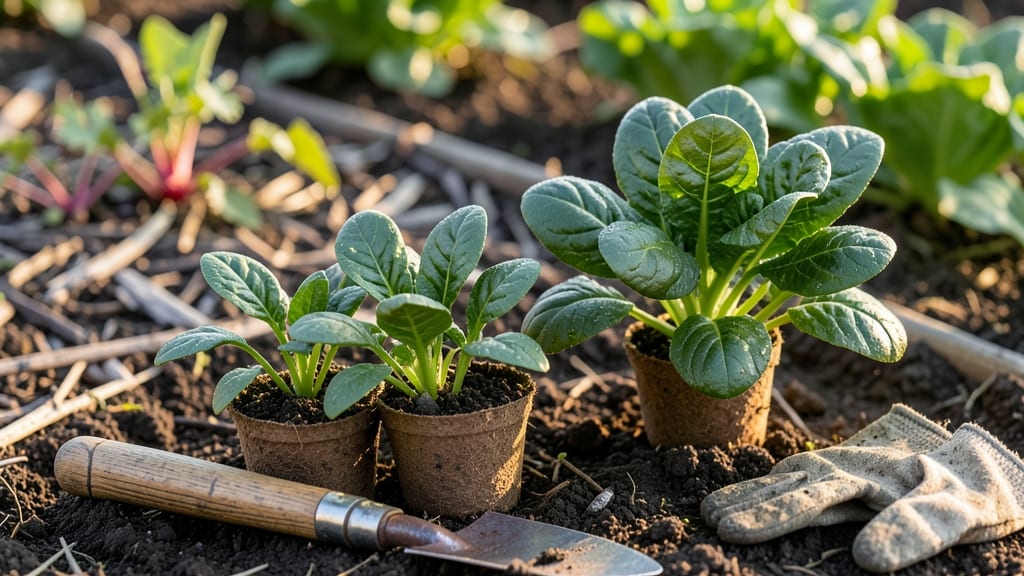
Planting fall spinach in Zone 7 at the wrong time means watching your crop bolt or rot before you even taste those sweet, tender leaves.
The key to success isn’t just throwing seeds in the dirt—it’s knowing the exact window between late August and early September when your soil is cool enough to prevent bitterness and your spinach has time to mature before frost hits.
Most gardeners in Zone 7 (7a-7b) assume they can plant anytime in summer, but that’s a recipe for disappointment. Spinach thrives when temperatures dip below 75°F, and planting too early means struggling with heat stress while late plantings risk bolting before you can harvest.
With the right timing, you’ll enjoy 🥬 harvests from October through December—just in time for holiday meals.
Here’s the game-changer: aim for 6-8 weeks before your first frost (around October 20 for 7a or November 5 for 7b). This gives your spinach just enough time to grow without rushing, while still beating the cold.
I’ll walk you through how to adjust for your specific variety, soil prep, and even succession planting to keep your kitchen stocked all fall long.
Whether you’re a first-time gardener or a seasoned green thumb, getting this timing right means fewer wasted seeds and more homegrown goodness. Let’s break down the exact steps to ensure your spinach grows lush, flavorful, and ready for harvest—no guesswork needed.

Exact weeks before first frost to plant fall spinach in Zone 7
In Zone 7, where the first frost typically arrives between October 20 and November 5, timing your fall spinach planting is critical. Plant too early, and your crop will bolt in summer heat; too late, and you’ll miss the sweet, tender harvest before winter.
The sweet spot? 6-8 weeks before your average first frost date, adjusted for your specific spinach variety.
For most Zone 7 gardeners, this translates to late August to early September plantings. However, soil temperature plays a bigger role than calendar dates. Spinach thrives in cool soil (50-65°F), so wait until daytime highs dip below 80°F—usually after mid-August—to avoid heat stress.
Use a soil thermometer to confirm before sowing.
Here’s the science-backed breakdown: Spinach reaches maturity in 30-60 days, depending on the variety. Baby leaf types (like 'Baby’s Leaf Hybrid') mature in 30-40 days, while semi-savoy (e.g., 'Tyee') and flat-leaf (e.g., 'Bloomsdale Long Standing') take 45-60 days.
To maximize your harvest window, align your planting with these timelines and your local frost date.
Pro tip: Use shade cloth if planting in late August to protect seedlings from lingering summer heat. Spinach is a cool-season crop, so it’s okay if temperatures dip below 40°F at night—it actually sweetens in cooler weather.
Just avoid planting when soil temps exceed 70°F, or your seeds may rot before germinating.
For Zone 7b (warmer microclimates), aim for the earlier end of the window (early August) to account for later frosts. In Zone 7a (cooler), you can push planting to mid-September for a late fall harvest. Always check your local USDA frost map or use a frost calendar app for precision.
After planting, maintain consistent moisture—spinach hates drought stress. Mulch with straw or compost to keep roots cool and retain soil moisture. If your spinach starts to bolt (send up flower stalks), it’s a sign it’s too warm.
In this case, harvest immediately or shade the plants to extend their edible life.
To ensure a continuous harvest, stagger your plantings every 2 weeks from early August to mid-September. This way, when your first batch matures, you’ll have fresh seedlings ready to take its place. Just avoid planting after mid-September, as seedlings won’t have enough time to establish before frost.
One final tip: If you’re using container gardening, opt for baby leaf varieties—they mature faster and are perfect for small spaces. Place containers in a protected spot (like near a south-facing wall) to shield them from wind and extend the growing season by a few weeks.
With this science-backed schedule, you’ll enjoy homegrown spinach from October through December, long after your neighbors’ gardens have gone dormant. Happy planting! 🥬
How to adjust planting for spinach varieties and successive harvests
Not all spinach varieties thrive under the same conditions, and Zone 7’s fall planting window requires tailored strategies. 'Bloomsdale Long Standing' and 'Tyee' are two popular choices, but their maturity rates and cold tolerance differ. 'Bloomsdale', a semi-savoy type, matures in 45-50 days and handles light frost, while 'Tyee', a flat-leaf variety, matures in 35-40 days but bolts faster in heat.
Knowing these differences helps you stagger plantings for a continuous harvest.
For successive harvests, I recommend sowing seeds in two-week intervals starting 8 weeks before your first frost. This ensures fresh leaves every 2-3 weeks without overwhelming your garden.
For example, if your frost date is October 20, begin planting on August 20, then again on September 3 and September 17. This method works especially well with 'Baby’s Leaf Hybrid', which matures in just 30-35 days and thrives in cooler weather.
Here’s the key: avoid planting too early in hot summer months, as spinach bolts (goes to seed) when temperatures exceed 80°F. Instead, wait until soil temperatures drop below 75°F—usually late August in Zone 7.
Use shade cloth if early planting is necessary, but I’ve found that late August starts yield the best results with minimal bolting.
⚖️ Spinach Variety Planting Strategies
- Pro: Cold-hardy, 50-day maturity
- Pro: Savoyed leaves resist bolting
- Con: Needs consistent moisture
- Con: Slower regrowth after harvest
- Pro: 35-day maturity, fast harvest
- Pro: Flat leaves ideal for salads
- Con: Bolts in heat (>75°F)
- Con: Less cold-tolerant than Bloomsdale
- Pro: 30-day harvest, perfect for succession
- Pro: Heat-tolerant for late starts
- Con: Smaller leaves, shorter harvest window
- Con: Requires thin planting
To prevent bolting, I always mulch heavily with straw or leaves to keep soil cool. Spinach also benefits from drip irrigation to maintain even moisture—overhead watering can stress plants and trigger bolting.
If you’re using container gardening, choose shallow pots (6-8 inches deep) and place them in partial shade during peak afternoon sun.
For maximum yield, thin seedlings to 4-6 inches apart once they’re 2 inches tall. Use the thinned seedlings in salads—they’re just as tender! In Zone 7, you can even overwinter spinach by covering rows with row fabric after the first frost.
This protects plants from freezing temperatures and extends your harvest into early spring.
Remember, spinach loves cool weather but hates heat. By matching varieties to your planting timeline and staggering sowings, you’ll enjoy fresh greens from late September through December—or even longer with protection. The secret? Plan ahead, adjust for your microclimate, and harvest regularly to encourage regrowth.