
Plants
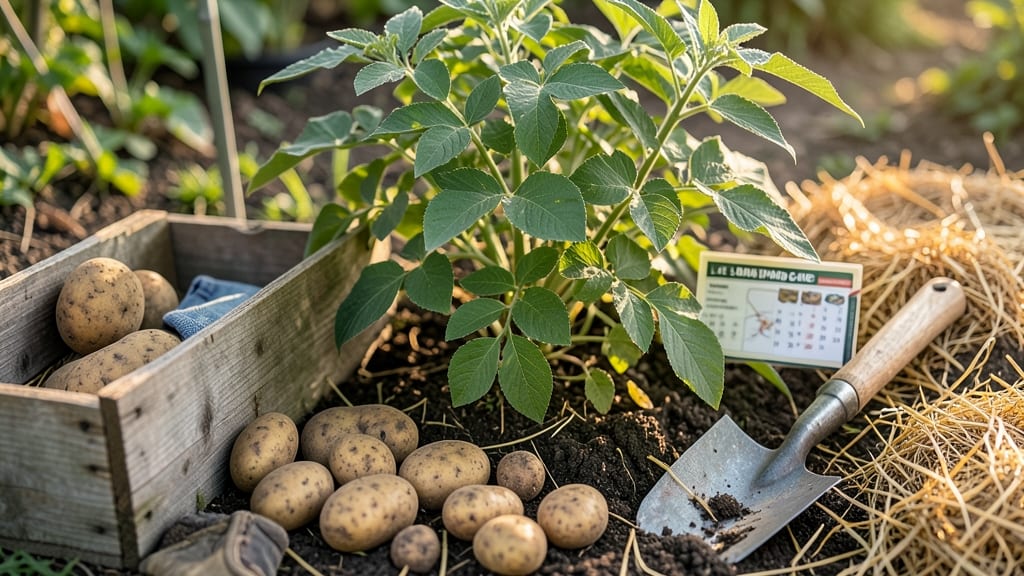
Planting fall potatoes in Virginia isn't just about sticking them in the ground—it's about timing them perfectly to avoid frost and maximize your harvest.
With Virginia's 7a-8a climate, getting these spuds in the soil 8-12 weeks before frost makes all the difference between a bountiful harvest and a sad, shriveled mess.
I've learned the hard way that planting too early means your potatoes will start sprouting before they're ready, while waiting too long risks a harvest ruined by the first frost. The key is understanding your local frost dates and adjusting your schedule accordingly.
For most of Virginia, that means getting them in the ground between mid-August and early September—but there's more to it than just dates.
What you'll discover here is how to align your planting with Virginia's specific climate zones, from the warmer Coastal Plain to the cooler Appalachian Plateau. We'll cover soil prep, variety selection, and even how to protect your crop if Mother Nature throws a curveball. Let's get those 🥔 growing right.
By the end, you'll know exactly when to plant for crisp, zero-frost potatoes that'll be ready just in time for Thanksgiving dinner. No more guessing—just a foolproof plan tailored to Virginia's unique growing conditions.
Virginia’s fall potato planting calendar by region (exact dates)
Virginia’s diverse climate means fall potato planting dates vary dramatically across its five distinct regions. Whether you're in the Coastal Plain or the Appalachian Plateau, knowing your exact last frost date and harvest window is critical for crisp, zero-frost potatoes.
These precise dates ensure you'll have Thanksgiving-ready tubers without risking frost damage.
I’ve broken down the optimal planting windows for each region, adjusted for USDA hardiness zones 6b-7b, so you can plant with confidence. The key is timing your seed potatoes to mature 8-12 weeks before your first frost, giving them enough time to bulk up before winter sets in.
Pro Tip: Use cold-hardy varieties like Yukon Gold or Purple Peruvian for later plantings—they tolerate cooler soils better than standard varieties. Now, let’s dive into the exact dates for your region.
| Region | USDA Zone | Last Frost Date | Planting Window | Harvest Window | Notes |
|---|---|---|---|---|---|
| Coastal Plain | 7b-8a | October 10-15 | August 15 - September 10 | October 1 - November 1 | Warmer soils; plant earlier for longer harvest. |
| Piedmont | 7a-7b | October 5-10 | August 1 - September 5 | September 25 - October 15 | Moderate climate; ideal for mid-season varieties. |
| Blue Ridge | 6b-7a | October 1-5 | July 25 - August 20 | September 15 - October 5 | Cooler soils; use early-maturing varieties. |
| Valley (Roanoke) | 6b-7a | October 1-5 | July 25 - August 15 | September 15 - October 1 | High elevation; plant early for shorter season. |
| Appalachian Plateau | 6b-7a | September 25 - October 1 | July 15 - August 10 | September 1 - September 25 | Shortest season; prioritize fast-maturing varieties. |
If you live in the Coastal Plain, you’ve got the longest harvest window—planting as late as September 10 still gives you tubers by November 1. Meanwhile, gardeners in the Appalachian Plateau need to start by July 15 to avoid frost before harvest.
These dates assume average frost timelines, but always check your local microclimate for adjustments.
For soil temperature, aim for at least 45°F—cooler soils slow sprouting. Use a soil thermometer to confirm before planting. In clay-heavy soils, plant 2 weeks earlier to warm up faster, while sandy soils can handle later plantings without risking cold stress.
One of my biggest mistakes was planting too late in the Blue Ridge—my Yukon Golds barely matured before frost. Now, I mark my calendar 12 weeks before the last frost and stick to it.
For example, if your frost date is October 5, plant by July 5 to guarantee a harvest.
Don’t forget to mulch heavily in late September to insulate tubers from early frosts. Straw or leaves work well—just avoid piling mulch against stems to prevent rot. With these exact dates, you’ll pull perfectly sized potatoes just in time for holiday meals.
How to adjust planting dates for your Virginia soil type
Virginia’s diverse soil types dramatically impact your fall potato planting window. Sandy loam warms quickly, letting you plant earlier, while clay soils hold moisture longer, extending your harvest window.
Even organic-rich soils can shift your schedule by 2-3 weeks compared to standard loam. Let’s break down how to adjust your planting dates based on what’s in your garden bed.
First, identify your soil type using the jar test: Fill a jar with soil, add water, and shake. Sandy soil settles fast; clay stays suspended. Organic soils (like compost-amended beds) have a fluffy middle layer. Knowing this helps you calibrate planting dates to avoid frost damage or stunted growth.
Sandy loam (common in Piedmont regions) dries out quickly, so plant 4-6 weeks before first frost (late July to early August). The fast-draining nature means potatoes mature 2-3 weeks earlier than in heavier soils. For example, in USDA Zone 7b, aim for August 1-15 to harvest by Thanksgiving.
| Soil Type | Planting Window | Adjustment Reason | Drainage Test |
|---|---|---|---|
| Sandy Loam | Late July–Early August | Fast warming, early maturity | Water drains in <10 mins |
| Clay | Mid-August–Early September | Slower warming, extended harvest | Water drains in >30 mins |
| Organic-Rich | Early July–Mid-August | Warmer, faster growth | Water drains in 15-20 mins |
Clay soils (common in the Blue Ridge) stay cooler and wetter, so push planting to mid-August to early September. These soils hold moisture longer, giving potatoes extra 2-4 weeks to mature. In Zone 6b, this means you can harvest into December without frost risk. Test drainage by digging a 12-inch hole—if water pools after 30 minutes, amend with compost.
For organic-rich soils (like those in the Shenandoah Valley), start planting 2-3 weeks earlier than standard loam. The extra nutrients speed up growth, letting you plant by early July for a Thanksgiving-ready harvest.
These soils also warm faster in spring, so pre-warm beds with black plastic for 2 weeks before planting.
Before planting, test drainage with a simple percolation test: Dig a 12-inch hole, fill with water, and time how long it takes to drain. If it drains in <10 minutes, you’ve got ideal sandy loam.
Over 30 minutes? Amend with coarse sand or gypsum to improve drainage. Proper drainage prevents rotten tubers and ensures crisp storage-quality potatoes.
Adjust your variety choice too: Early varieties like ‘Yukon Gold’ thrive in sandy soils, while late maturers like ‘Kennebec’ suit clay. For organic soils, red potatoes (e.g., ‘Red LaSoda’) grow fastest. Always plant seed potatoes when soil temps hit 45°F—use a soil thermometer to confirm.