
Plants
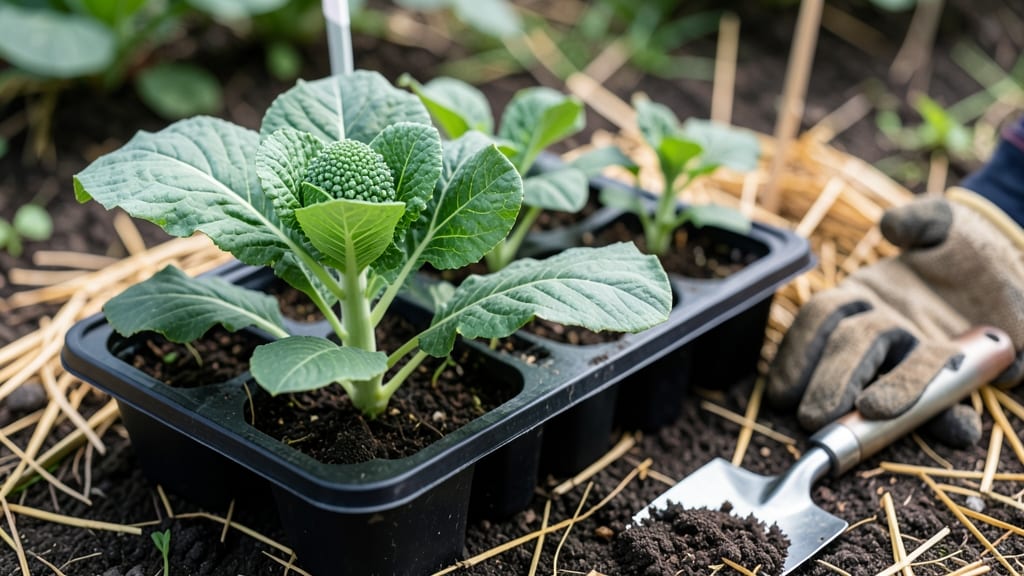
Planting fall crops in Zone 8 might seem tricky, but getting the timing right means you can enjoy fresh harvests well into winter. The key isn’t just following a calendar—it’s understanding how soil temperatures and microclimates work together to create the perfect growing conditions for your garden.
If you’ve ever struggled with seedlings that sprout too late or crops that bolt before harvest, you’re not alone. The solution lies in soil temperature triggers—knowing when your garden is cool enough for cool-season crops like kale, carrots, or broccoli to thrive.
I’ll show you exactly when to plant and how to adjust for your specific microclimate, whether you’re dealing with urban heat islands or coastal breezes.
What if I told you that a 5-minute soil check could save you from wasted seeds and disappointed harvests? By learning these simple tricks, you’ll extend your growing season and even transition smoothly into winter gardening. Let’s dive into the science and strategies that make fall planting a breeze.
From avoiding common mistakes to leveraging shade cloth and mulch, this guide will give you the confidence to plant with precision. Whether you’re a beginner or a seasoned gardener, these insights will help you grow a hardier, more productive fall garden than ever before.

Zone 8 fall planting calendar: soil temperature triggers for germination success
Fall gardening in Zone 8 rewards patience with hearty harvests, but success hinges on understanding soil temperature triggers. Unlike spring, cool-season crops like kale and carrots thrive when soil cools to 50–75°F.
Planting too early risks heat stress, while waiting too long risks early frost. Let’s break down the ideal windows for your region.
Zone 8 spans diverse climates—from Northern California’s cooler coastal areas to Southern California’s desert-like valleys. In coastal regions, the last frost typically arrives by December 15, while inland areas may see frost as early as November 15.
Soil temperatures drop faster in high-elevation areas, so adjust your schedule accordingly.
Here’s your fall planting calendar, organized by crop type and soil temperature thresholds. Use a soil thermometer to verify conditions before sowing—this simple tool prevents costly mistakes.
For Northern California (e.g., San Francisco, Sacramento), aim to plant leafy greens by mid-August to avoid heat stress. Inland areas like Fresno can push planting to early September due to hotter soil.
Coastal Southern California (e.g., Los Angeles, San Diego) has a longer window—sow carrots and radishes until late September.
Pro tip: Use mulch (straw or shredded leaves) to regulate soil temperature and retain moisture. This extends your planting window by 1–2 weeks in both hot and cool microclimates. Monitor soil temps daily if possible—fluctuations of 10°F can delay germination by 3–5 days.
If you’re in a transition zone (e.g., Santa Barbara or San Jose), err on the side of caution. Plant cool-season crops 2 weeks earlier than the calendar suggests. These areas experience rapid temperature drops, and seedlings may not recover from unexpected chills.
Don’t overlook succession planting—sow fast-growing crops like radishes or lettuce every 2 weeks for continuous harvests. This strategy maximizes your garden’s potential and reduces waste. Pair heat-tolerant varieties (e.g., Malabar spinach) with cooler crops for a balanced fall garden.
Finally, protect young seedlings with row covers if frost threatens. A lightweight fabric raises temperatures by 5–
Microclimate mastery: how to adjust planting times for sun, shade, and wind exposure
Your Zone 8 garden might have hotter microclimates near pavement or cooler pockets under trees. These variations can shift ideal planting windows by 2-4 weeks.
For example, coastal areas stay milder longer, while inland spots may need earlier starts. Understanding these nuances lets you extend fall harvests or protect heat-sensitive seedlings.
First, identify your garden's sun exposure patterns. Use a sunlight mapping tool or observe where shadows fall at solar noon during summer and fall. South-facing beds get intense afternoon sun—perfect for leafy greens like spinach but risky for bolting lettuce.
North-facing areas stay cooler, ideal for slow-growing crops like carrots or Brussels sprouts.
Wind exposure also demands adjustments. Open areas dry soil faster and stress seedlings, while sheltered spots can trap heat. If your garden faces prevailing winds, plant windbreaks like bamboo fencing or tall sunflowers to create microclimates where delicate seedlings thrive.
Even a 6-foot-tall barrier can reduce wind speeds by 50%.
-
1Sun Exposure: Plant heat-tolerant crops (e.g., Swiss chard, kale) in full sun areas 4-6 weeks before first frost. For shade-loving crops (e.g., lettuce, peas), wait until 2-3 weeks before frost when days shorten.
-
2Wind Protection: Use row covers or low tunnels to shield seedlings in exposed areas. For permanent windbreaks, plant fast-growing hedges like privet or Russian olive on garden edges.
-
3Urban Heat Islands: If your garden sits near concrete or asphalt, soil temps can exceed 90°F even when air temps are mild. Plant shade-tolerant crops (e.g., radishes, arugula) or use mulch to cool soil by 10-15°F.
-
4Coastal Gardens: Leverage maritime microclimates to extend seasons. Plant cold-hardy crops (e.g., cabbage, spinach) 2-3 weeks later than inland gardens, as coastal areas have later first frosts and milder nights.
-
5Soil Temperature Tricks: Use a soil thermometer to confirm 50-75°F ranges for cool-season crops. If soil runs too hot, water deeply to cool it or plant in shaded beds until temps drop naturally.
For heat-sensitive seedlings, consider succession planting in stages. Start with fast-maturing crops like radishes or turnips in early September, then follow with slower growers like broccoli or cauliflower in mid-October. This staggered approach ensures continuous harvests while accounting for microclimate shifts as seasons change.
Don’t overlook the power of mulching to stabilize soil temps. A 3-inch layer of straw can keep roots 5-10°F cooler in summer and insulate against frost in fall. For urban gardeners, reflective mulches like white gravel can reduce soil temps by up to 20°F on hot days.
By fine-tuning your planting schedule to local microclimate conditions, you’ll turn challenges like urban heat islands or coastal winds into advantages. Test small batches of crops in different garden zones to refine your approach—your fall harvest will thank you! 🌱