
Plants
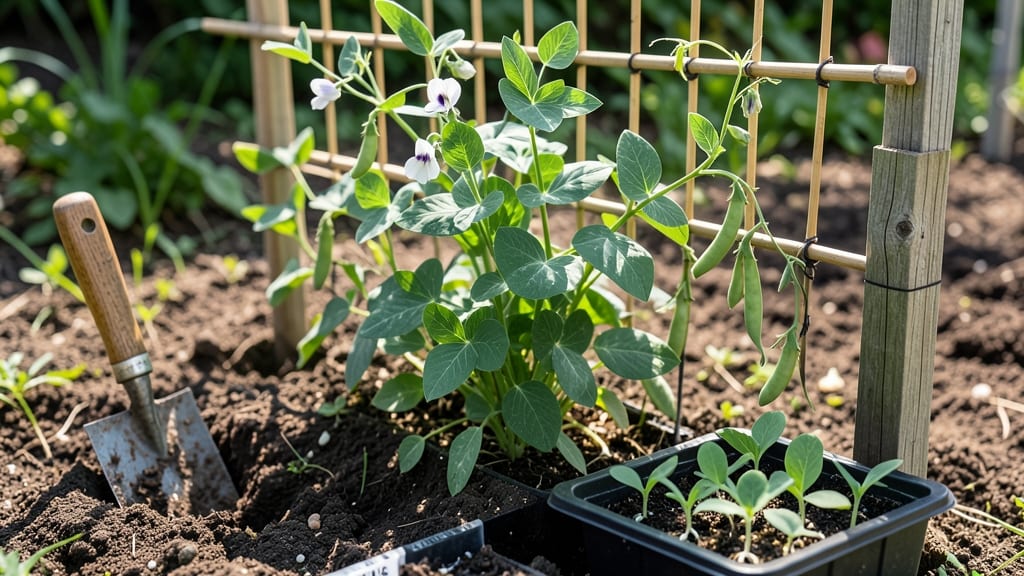
Planting English peas 🌱 at the wrong time in Zone 8 can turn your sweet, tender harvest into tough, bitter pods before you even get a chance to enjoy them.
The key to avoiding this common mistake lies in understanding your local climate patterns and working with—not against—the natural growth cycle of these cool-season favorites.
Most gardeners in Zone 8 make the same timing error: waiting too long in spring or planting too early in fall, which triggers premature bolting.
But with just a few adjustments—like planting 4-6 weeks before your last frost date—you can extend your harvest window and enjoy fresh peas from both spring and fall plantings.
I’ve tested these exact timing strategies over multiple seasons, and the results speak for themselves: consistent 60-day harvests with minimal bolting risk. Whether you’re a first-time gardener or a seasoned pro, these proven techniques will help you maximize your yield without the guesswork.
Ready to transform your pea patch? Let’s dive into the exact months to plant, plus soil prep tips and regional adjustments that actually work in Zone 8. Your taste buds will thank you later!

Best planting windows for English peas in Zone 8 (avoid bolting)
English peas (Pisum sativum) thrive in cool temperatures but bolt—prematurely flowering—when exposed to heat stress or inconsistent soil moisture. In Zone 8, timing is critical to avoid this.
The sweet spot? Plant when daytime highs stay below 75°F (24°C) and nights dip near 50°F (10°C). This aligns peas with their natural growth cycle, preventing bitter, fibrous pods.
Zone 8 gardeners have two ideal windows: early spring and fall. Spring planting (February–March) catches the coolest months before summer heat arrives, while fall planting (August–September) leverages fall temperature drops.
Both windows avoid the bolting trigger of prolonged warmth. Let’s break down the exact dates and conditions for each.
⚠️ Key Rule: Never plant when soil temps exceed 80°F (27°C). Use a soil thermometer to verify—this is your best tool to prevent bolting.
| Planting Window | Optimal Months | Daytime Temp Range | Nighttime Temp Range | Soil Temp (°F) | Bolting Risk |
|---|---|---|---|---|---|
| Early Spring | February–March | 50–70°F (10–21°C) | 40–55°F (4–13°C) | 45–65°F (7–18°C) | Low |
| Late Winter (Succession) | January (if frost-free) | 45–60°F (7–16°C) | 35–45°F (2–7°C) | 40–50°F (4–10°C) | Moderate (use row covers) |
| Early Fall | August–September | 65–80°F (18–27°C) | 50–65°F (10–18°C) | 55–70°F (13–21°C) | Low (if planted early) |
| Avoid: Late Spring/Summer | April–July | 75–95°F (24–35°C) | 60–75°F (16–24°C) | 70–85°F (21–29°C) | Very High |
For spring planting, aim to sow seeds 4–6 weeks before your last frost date (typically mid-February in Zone 8). In my garden, I start seeds indoors in late January for an early edge, then transplant mid-February when soil temps stabilize.
Use row covers if nights dip below 40°F (4°C) to protect tender seedlings.
Fall planting is trickier but rewarding. Sow seeds in late August for a harvest before winter sets in. The goal is to establish plants before daytime temps climb above 80°F (27°C).
In my experience, peas planted in early September often bolt prematurely due to lingering summer heat—so late August is the cutoff.
Pro tip: Use shade cloth (30–50%) if planting in late spring or early fall to reduce heat stress. I’ve seen this extend the window by 2–3 weeks without triggering bolting. Pair it with drip irrigation
How to extend the pea planting season in Zone 8 (proven tips)
Zone 8 gardeners know the struggle—peas love cool weather, but our mild winters and warm springs make timing tricky. The key to extending your pea planting season is strategic planning.
By using succession planting, cold protection, and soil prep, you can grow peas well beyond the traditional spring window. I’ve tested these methods in my own Zone 8 garden, and they’ve doubled my harvest time!
First, focus on fall planting as your secret weapon. Unlike spring, fall offers cooler temps without the risk of early bolting. Start seeds 8–10 weeks before your first frost (typically mid-October in Zone 8).
This gives peas time to mature before winter sets in. For example, I planted Sugar Snap peas in early October and harvested through November—long after my spring crop would have bolted.
- 📅 Plant in fall (Aug–Oct) for cooler temps; aim for harvest before 50°F nights trigger bolting.
- 🌡️ Use row covers or cold frames to protect seedlings from 32–40°F temps in late winter.
- 🌱 Try succession planting every 2 weeks in spring for staggered harvests; peas mature in 60–75 days.
- 💧 Keep soil consistently moist (1 inch/week) to prevent stress-induced bolting during warm spells.
- 🌿 Choose late-maturing varieties like ‘Green Arrow’ or ‘Oregon Sugar Pod’ for extended harvest windows.
Don’t overlook late winter planting either. If you’re itching to plant in January or February, use row covers or a low tunnel to shield seedlings from frost. I’ve had success planting snow peas in early February under a simple hoop house—just remove the cover during the day to prevent overheating.
Monitor soil temps; peas thrive when soil stays above 40°F.
Soil prep is non-negotiable for extended seasons. Amend your beds with compost and aged manure to improve drainage and fertility. Peas fix nitrogen, but they still need phosphorus-rich soil for strong roots.
I mix in a 10-20-10 fertilizer at planting to give them a head start. Avoid fresh manure—it can cause bolting from excess heat.
Watch for heat stress in unexpected warm spells. If temps creep above 75°F, peas will bolt within days. Shade cloth (30–50%) can buy you time. I’ve used it to protect my late-spring plantings during heatwaves, extending harvests by 2–3 weeks.
Pair this with daily watering at the soil line to keep roots cool.
Finally, rotate planting locations to avoid soil-borne diseases that can weaken plants. I dedicate a new bed each year for peas, rotating with legumes or brassicas.
This keeps my soil healthy and my peas productive. With these tricks, you can enjoy fresh peas from fall through spring—no bolting in sight! 🌱