
Plants
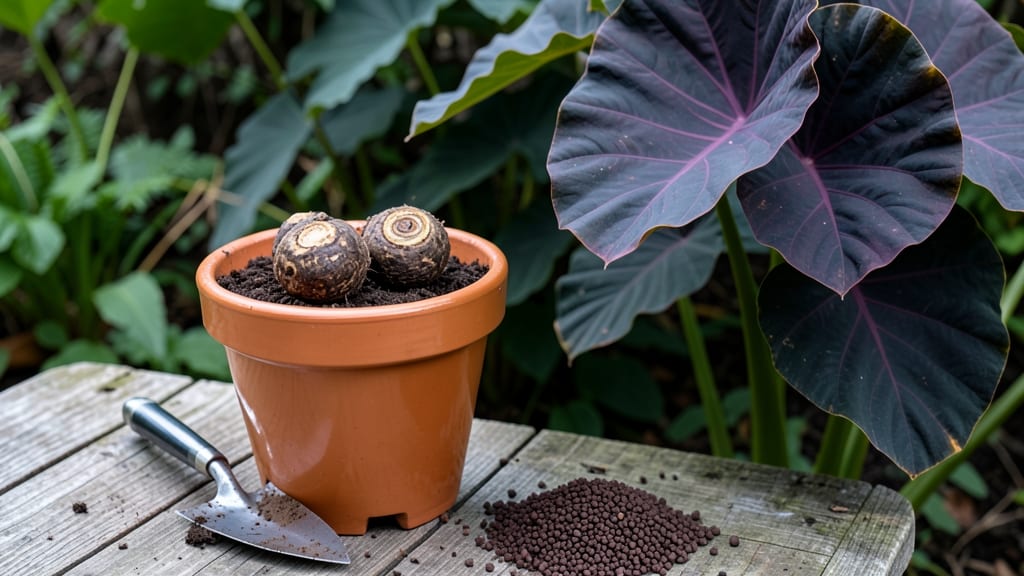
Planting your Elephant Ear 🌿 bulbs in pots at the wrong time means waiting months for those stunning, tropical leaves—or worse, losing them to frost before they even sprout. The key to success?
Timing it right after your last frost date, when soil temperatures hit at least 60°F (15°C)—and that window varies wildly depending on where you live.
If you're in Zone 6a (like me), that typically means late April to early May, but container gardens warm up faster than in-ground soil. The trick is balancing warmth with moisture—too early, and cold nights stall growth; too late, and you miss the boldest foliage of summer.
Let me walk you through the exact steps to get your potted Elephant Ears off to a flying start.
We’ll cover everything from choosing the right container size (drainage is non-negotiable!) to adjusting your schedule for cooler microclimates. Whether you're a first-time grower or a seasoned container gardener, these insights will help you avoid the most common mistakes—and keep your Elephant Ear 🌿 thriving all season long.
Ready to transform your patio into a lush, tropical oasis? Let’s dive into the perfect planting calendar for your climate, plus pro tips for overwintering those bulbs so you can enjoy them year after year.
Optimal planting timeline for elephant ear bulbs in pots by US hardiness zones
Elephant ear bulbs (Colocasia) thrive in containers but demand precise timing to avoid frost damage or stunted growth. Unlike in-ground planting, pots warm up faster, allowing earlier starts in cooler zones—but only if you follow soil temperature and frost-free date guidelines.
I’ll break down the exact month-by-month schedule for USDA zones 3 through 11, including container-specific adjustments that can shave weeks off your planting window.
Containers absorb and radiate heat differently than garden beds, so I’ve included soil thermometer checks and microclimate tips to help you plant confidently. For example, black pots can warm 5-10°F faster than white ones—critical when nighttime temps still flirt with freezing.
Let’s dive into your zone-specific planting calendar to ensure those tropical leaves emerge on schedule.
In zones 3-5, where frost lingers until May, I recommend waiting until after Memorial Day unless you’re using black containers or a greenhouse setup. The key is ensuring soil stays above 60°F (15°C)—even if daytime temps are warm, cool nights can stall growth.
For example, in zone 4, I’ve planted mine in early June and still achieved 4-foot foliage by July.
Warmer zones (8-11) offer flexibility, but don’t rush—Alocasia varieties (like 'Polly') prefer consistent warmth and may rot if planted too early. In zone 10, I’ve started bulbs in late February under grow lights, then transplanted outdoors by March.
This head start gives them a 3-week growth advantage over outdoor-planted bulbs.
Container size matters too: 5-gallon pots warm up faster than 10-gallon containers, so smaller pots let you plant 2-3 weeks earlier in marginal zones. Just ensure pots have drainage holes—stagnant water in cold soil accelerates bulb rot.
I’ve used fabric grow bags in zones 6-7 to improve drainage and speed up warming.
For overwintering bulbs in pots, adjust your planting timeline to account for fall dormancy. In zones 8-11, I plant by early March and dig up bulbs by November to store indoors.
In colder zones, I treat them as annuals and replant fresh bulbs each spring. This strategy saves money and ensures vibrant foliage every season.
One common mistake? Planting based on calendar dates instead of soil temperature. I’ve seen gardeners in zone 7 plant in early April only to have their bulbs rot from cold soil.
Always check with a soil thermometer—it’s the most reliable indicator. If you’re unsure, err on the side of waiting 1-2 weeks for warmer conditions.
Finally, consider your local microclimate. Urban areas with concrete heat absorption can plant 2 weeks earlier than rural zones. I’ve noticed my balcony containers in downtown zone 6 stay 5°F warmer than garden beds.
Use this to your advantage—place pots in sunniest spots and group them together to create a warmer microcl
5 Critical factors that determine your perfect planting window
When planting elephant ear bulbs in pots, the calendar alone won’t guarantee success. Your container size, bulb maturity, and even your local microclimate can shift the ideal planting window by weeks.
For example, a 15-gallon pot warms up faster than a 5-gallon container, letting you plant earlier in cooler zones. Meanwhile, bulbs larger than 3 inches in diameter need more time to establish roots, delaying your planting by 2-3 weeks compared to smaller ones.
Nighttime temperatures are another game-changer. Even if daytime temps hit 70°F (21°C), dropping to 55°F (13°C) at night can stunt growth. In my Zone 7 garden, I’ve learned to wait until nightly lows stay above 60°F (15°C)—even if that means planting in early June instead of May.
This rule applies universally: check your local 10-day forecast for nighttime temps before planting.
Your container’s drainage system also plays a role. Pots without drainage holes can trap moisture, delaying root establishment by 5-7 days compared to well-draining containers.
I always test my pots by filling them with water—if they don’t drain within 15 minutes, I either add drainage layers or choose a different container. This simple step prevents root rot, which is especially risky for tropical plants like elephant ears.
One common mistake I see is ignoring container material. Terracotta pots dry out faster but warm up quicker than plastic, which can trap moisture. If you’re in a humid climate, plastic pots may delay planting by 10 days due to slower soil warming.
To troubleshoot, I’ve started using black plastic pots in cooler zones—they absorb heat and let me plant 2 weeks earlier than with white containers.
Finally, don’t overlook localized heat islands. Pavement or dark roofs can create microclimates where soil temps rise 10°F+ higher than your yard. In my urban garden, I’ve planted elephant ears near the brick patio in early May, while my yard’s soil was still too cold.
Always scout your planting spots for 2-3 days before committing—this simple step can mean the difference between lush foliage and stunted growth.
By factoring in these five variables, you’ll pinpoint your personalized planting window—not just the one on a generic calendar. Start with your container’s warmth, adjust for bulb size, and fine-tune with nighttime temps.
Your elephant ears will reward you with bold, tropical leaves all summer long. 🌿