
Plants
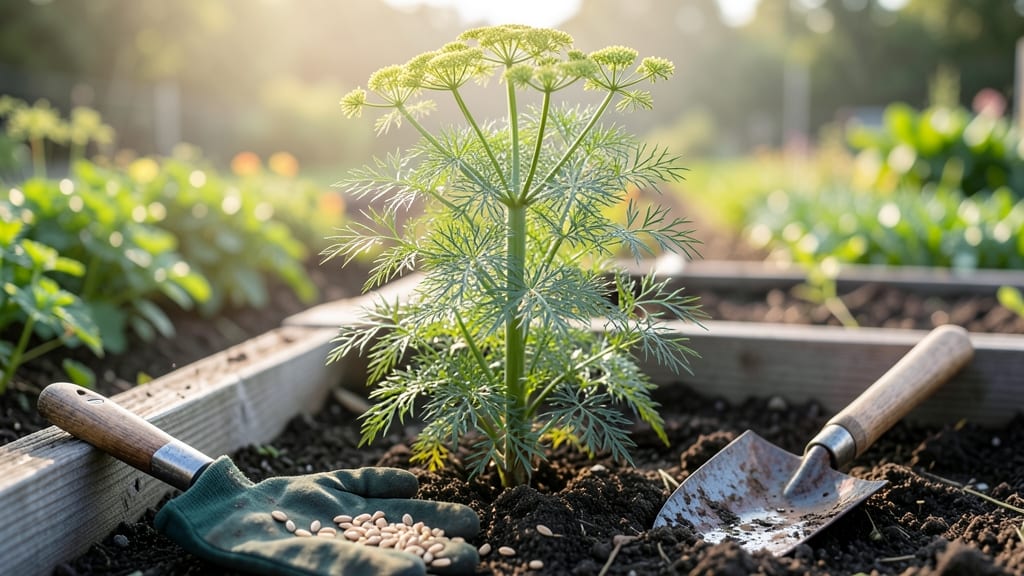
Timing your dill planting in Oregon can make or break your herb garden—especially when coastal fog clashes with inland heat. With USDA zones 7b-9a across the state, getting those seeds in the ground at the right moment means the difference between a fragrant harvest and a sad, frost-nipped failure.
Most gardeners in Oregon know dill thrives in spring’s mild temperatures, but the exact window varies wildly between Portland’s damp coastal air and Bend’s dry high-desert climate.
If you plant too early, a late frost will wipe out your 🌿 dill seedlings; too late, and you’ll miss the ideal 60-day growth window before summer’s heat sets in.
I’ve tested the best planting strategies for both regions, from direct sowing in March-April to succession planting in August-September. Whether you’re growing dill for fresh garnishes or seed harvests, these timing tips will help you avoid common mistakes and maximize your yield.
Let’s break down the perfect frost-free planting schedule—and why your location matters more than you think. Ready to grow dill like a pro? Here’s what you need to know.
Oregon’s frost-free dates for dill: coastal vs inland planting zones
Oregon’s diverse climate creates unique challenges for growing dill, especially when comparing the coastal regions like Portland (USDA Zone 8-9) to the inland areas like Bend (Zone 7b-8a). The last frost date can vary by 3-4 weeks, dramatically impacting when you should plant your dill seeds.
Coastal areas typically see their last frost around March 15, while inland zones often wait until April 15 or later.
Dill is a cool-season crop that thrives when soil temperatures reach 45-60°F for germination. However, it can’t handle frost or extreme heat, making timing critical. Inland areas also face hotter summers, which can stress dill if planted too early.
Let’s break down the frost-free windows and critical planting thresholds for both regions to ensure your dill grows successfully.
Here’s a detailed comparison of coastal vs inland frost-free dates, including soil temperature requirements and ideal planting windows for dill in Oregon:
For coastal Oregon, like Portland, the earlier frost-free dates allow you to start planting dill as early as late March. However, soil temperatures must reach at least 45°F for seeds to germinate properly.
If you plant too early and a late frost hits, your seedlings could be damaged. To mitigate this risk, consider using row covers or starting seeds indoors 4-6 weeks before your target outdoor date.
In inland Oregon, such as Bend, the later frost dates and hotter summers shift the ideal planting window to April or May. Dill prefers cool to moderate temperatures and can struggle if planted too early in Zone 7b, where soil may still be too cold.
Additionally, inland areas experience higher daytime temperatures, which can cause dill to bolt prematurely. Planting in partial shade during peak summer months can help extend the harvest season.
One key strategy for both regions is succession planting. Since dill has a 60-75 day harvest window, you can plant new seeds every 2-3 weeks to ensure a continuous supply of fresh dill.
For coastal areas, aim for March through May plantings, while inland gardeners should focus on April through June. This approach works especially well for homegrown dill used in pickling or cooking, ensuring you always have fresh herbs on hand.
Always monitor your local microclimate. Urban areas like Portland may experience warmer microclimates than rural coastal spots, while inland valleys like the Willamette Valley can have milder winters than high-desert regions.
Use a soil thermometer to confirm temperatures before planting, as dill seeds won’t germinate well in cold, wet soil. If your soil is too cold, wait until temperatures stabilize before sowing.
Finally, remember that dill is an annual herb that thrives in well-draining soil with full sun to partial shade. Whether you’re in coastal Oregon or the
Step-by-step dill planting calendar by Oregon region
Oregon’s diverse climate means your dill planting strategy should shift dramatically between the coastal, Willamette Valley, and high-desert regions. Coastal areas like Astoria enjoy mild winters, while inland zones like Bend face earlier frosts and hotter summers.
To maximize your harvest, align your planting with local frost dates and soil temperatures—aim for 50°F+ for germination.
Start seeds indoors 4-6 weeks before your region’s last frost date to give dill a head start. Coastal gardeners can begin outdoor sowing in early March, while high-desert growers should wait until mid-April to avoid frost damage.
Succession planting every 2-3 weeks ensures a continuous supply of fresh dill from June through October.
| Region | Last Frost Date | Ideal Planting Window | Succession Planting | Harvest Peak |
|---|---|---|---|---|
| Coastal (Astoria, Cannon Beach) | March 15 | March 1–April 15 | Every 3 weeks | June–October |
| Willamette Valley (Portland, Eugene) | April 1 | March 15–April 30 | Every 2 weeks | June–September |
| High Desert (Bend, La Pine) | May 1 | April 15–May 15 | Every 4 weeks | July–August |
For a longer harvest season, try late-summer planting in August for coastal areas—dill thrives in cooler fall temperatures. Inland gardeners can extend their season by using row covers to protect plants from early frosts in October.
Always choose a sunny spot with well-draining soil to prevent bolting or rot.
Direct sowing is ideal for dill, as transplants struggle to adapt. Scatter seeds ½ inch deep and 12 inches apart in rows spaced 18 inches apart. Thin seedlings to 10–12 inches apart once they’re 2 inches tall to give roots room to spread.
Mulch with straw to retain moisture and suppress weeds—critical in Oregon’s variable rainfall.
Monitor your dill for flowering signs, which indicate it’s time to harvest leaves for culinary use. If you’re growing dill for seeds, let some stems flower and dry on the plant.
Coastal gardeners can harvest until November, while inland growers should pick before the first 28°F frost in late September or October.
Pro tip: Pair dill with tomatoes, cabbage, or cucumbers to deter pests naturally. Avoid planting near carrots or onions, as dill can inhibit their growth. With this calendar, you’ll enjoy fresh dill all season—whether you’re making pickles or garnishing summer salads!