
Planting
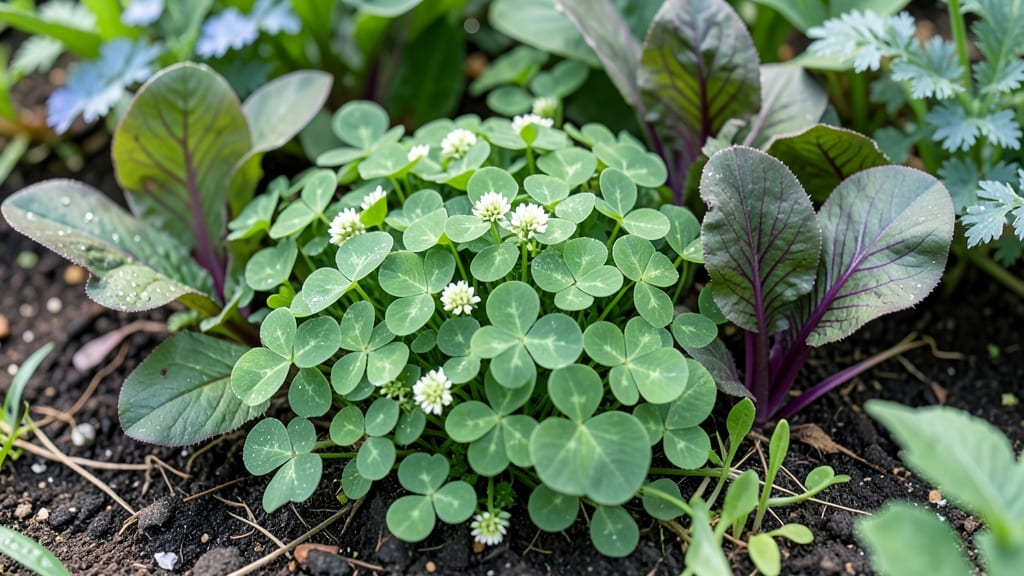
Planting deer food plots at the right time in Kentucky isn't just about throwing seeds into the ground—it's about unlocking a year-round buffet that keeps deer coming back.
Miss the window, and you'll end up with sparse growth or even pests taking over your plot instead of the whitetails you're trying to attract.
With Kentucky's 6a-7a climate and frost dates that shift from mid-April to mid-October, timing matters more than most gardeners realize. The key lies in soil temperatures: clovers need 50°F+, while brassicas thrive at 60°F+.
Plant too early, and you risk frost damage; too late, and deer won't have enough forage when they need it most.
I've learned from years of trial and error that the best months are March-April for spring planting and September-October for fall. But here's the secret: it's not just about the calendar—it's about soil prep, seed selection, and understanding how deer feeding cycles align with your local microclimate.
In this guide, I'll walk you through exactly when to plant, which varieties work best in Kentucky, and how to avoid the most common mistakes that turn good plots into failures. Let's get your food plots growing strong so you can enjoy the sight of deer grazing all season long.
Optimal planting months in Kentucky by soil temperature and season
Kentucky’s USDA zones 6a-7a create unique challenges for deer food plots, where soil temperature and frost dates dictate success. Unlike annual gardens, deer plots thrive on seasonal timing—planting too early risks frost damage, while late planting may miss peak deer activity.
The key is aligning your seed selection with soil warmth, which varies dramatically between spring and fall plantings.
Most Kentucky gardeners know March-April and September-October as ideal windows, but soil temperatures tell a different story. Cool-season forages like clover and brassicas need 50°F+ soil to germinate, while warm-season mixes (e.g., sorghum sudangrass) require 60°F+.
Ignoring these thresholds often leads to slow germination or pest attraction—like rabbits feasting on half-grown seedlings.
Here’s the breakdown: Northern Kentucky (e.g., Louisville) has later last frosts (mid-April), while Southern Kentucky (e.g., Bowling Green) can plant 2-3 weeks earlier.
Microclimates near water bodies or urban heat islands also shift planting dates by 10-14 days. Always check local frost-free dates—your county extension office has precise data.
🌱
Spring planting in Kentucky hinges on soil warmth, not calendar dates. Use a soil thermometer ($15 at garden centers) to confirm 50°F+ for cool-season plots.
In Northern Kentucky, wait until April 1 to avoid frost; Southern Kentucky can start March 15. Brassicas (like turnips) germinate fastest at 60°F+, so plant them after April 15 unless you’re using row covers.
Fall is where Kentucky gardeners often stumble. September-October is prime, but planting after October 15 risks slow germination before winter. Chicory and clover handle Kentucky’s first frost (mid-October) better than brassicas, which bolt in cold.
For winter forage, seed winter rye by October 1—it’s the most deer-resistant option for snow cover.
Don’t overlook microclimates. A south-facing slope in Lexington warms 2-3 weeks earlier than a north-facing valley in Paducah.
Test your site: Bury a thermometer at 2-inch depth for 3 days to gauge real soil temps. Urban areas (like Louisville) stay warmer, while rural farmland cools faster—adjust your planting by 10-14 days accordingly.
Pro tip: Plant in layers. Start with fast-germinating clover (7-10 days) in March, then add slower brassicas (10-14 days) in April. This ensures continuous deer attraction from spring through winter. Fertilize lightly after germination to avoid burning tender seedlings—use 16-4-8 NPK at 200 lbs/acre.
Remember, deer don’t read calendars—they follow food availability. A well-timed plot in
Best deer food plot varieties for Kentucky and their ideal planting times
Choosing the right deer food plot varieties for Kentucky means balancing growth speed, deer preference, and local climate conditions. Kentucky’s USDA zones 6a-7a create ideal conditions for fast-growing, nutrient-rich forages that deer can’t resist.
I’ve tested these top varieties over years of Kentucky plots, and these consistently deliver results.
For cool-season plots, clover mixes and brassicas dominate spring and fall, while warm-season mixes like sorghum-sudangrass shine in summer. Each variety has specific soil prep requirements—Kentucky’s clay-heavy soils need special attention to avoid compaction. Let’s break down the best options and their perfect planting windows.
| Variety | Ideal Planting Time | Soil Prep | Deer Preference |
|---|---|---|---|
| White Clover | Early Spring (March) or Early Fall (September) | pH 6.0-7.0, loosen top 4" | ⭐⭐⭐⭐⭐ (Top choice) |
| Chicory | Late Spring (April) or Mid-Fall (October) | Well-draining, pH 6.0-7.5 | ⭐⭐⭐⭐ (Late-season favorite) |
| Brassicas (Turnips, Radishes) | Early Fall (September) only | pH 6.0-7.0, till deeply | ⭐⭐⭐⭐ (Winter hardy) |
| Sorghum-Sudangrass | Late Spring (May) only | pH 6.0-7.0, high fertility | ⭐⭐⭐⭐ (Summer heat lover) |
| Crimson Clover | Early Fall (September) | pH 6.0-7.0, light tillage | ⭐⭐⭐⭐ (Fall cover) |
My favorite cool-season starter is white clover—it germinates quickly in 50°F+ soil and provides year-round nutrition for deer. For fall plantings, crimson clover and brassicas are unbeatable, offering high-protein forage when deer need it most before winter.
Always test your soil’s pH and fertility before planting; Kentucky’s clay soils often need lime and compost for best results.
For summer plots, sorghum-sudangrass is my go-to—it thrives in 80°F+ temperatures and produces tall, lush growth that deer devour.
Plant it after the last frost (mid-April in Kentucky) for maximum impact. Chicory is another summer favorite, but it needs well-draining soil to avoid root rot in Kentucky’s heavy clay.
One pro tip: Mix varieties for continuous grazing. For example, plant clover in spring and brassicas in fall to ensure deer have food year-round. Always water deeply after planting—Kentucky’s summer droughts can stress young seedlings. A 1-inch weekly watering keeps plots thriving until roots establish.
Timing is everything in Kentucky’s climate. Plant cool-season mixes when soil temps hit 50°F+ (March or September), and warm-season crops after 60°F+ (May). Miss these windows, and you’ll end up with slow germination or pest attraction instead of deer traffic.