
Plants
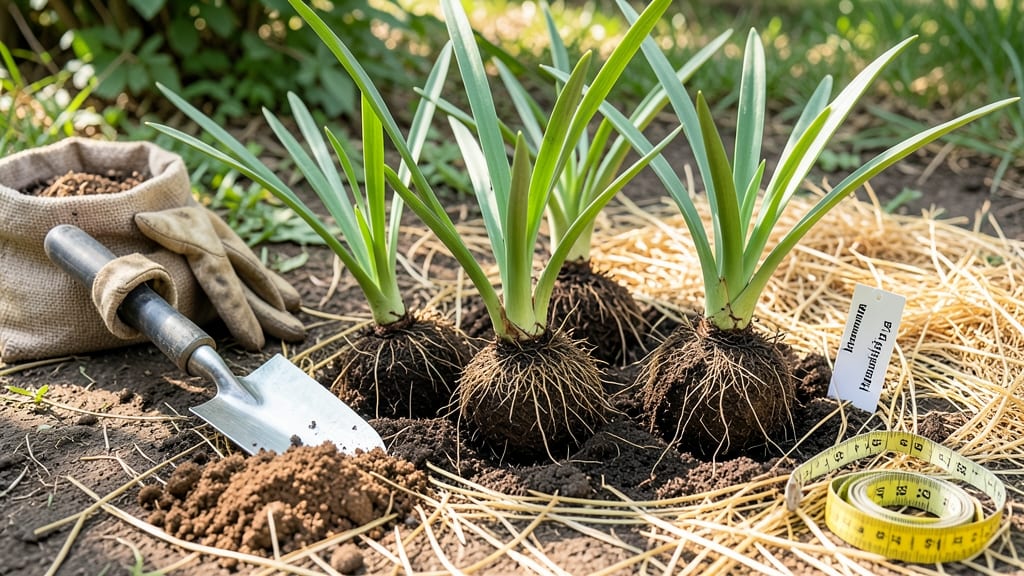
Planting daylily bulbs in Zone 5 at the wrong time can mean the difference between a garden full of vibrant 🌸 blooms and wasted effort. Whether you're a seasoned gardener or just starting out, getting the timing right is the key to success—especially when choosing between spring and fall planting.
In Zone 5, where frost is a real threat, planting too early risks exposing your daylilies to cold damage, while waiting too long can leave them struggling to establish roots before winter. The good news? With the right approach, you can give your daylilies the best chance to thrive.
I’ll walk you through the exact windows for planting in both spring and fall, including how to prepare your soil and bulbs for zero-frost survival. You’ll also learn how to read the signs—like soil temperature and regional climate shifts—to make the most informed decisions.
By the end, you’ll know exactly when to plant your daylilies so they’re ready to burst into color come mid-summer. Let’s get started!

Optimal spring planting timeline for daylilies in Zone 5
Spring planting of daylilies in Zone 5 requires precision—miss the window, and your bulbs face frost damage or poor root establishment. The key is planting 2-3 weeks before your last frost date, when soil temperatures consistently reach 50°F (10°C).
This timing ensures roots establish before summer heat arrives, giving your daylilies a head start for vibrant blooms by mid-summer.
For most of Zone 5a/b, this translates to late April to early May. However, regional variations matter—gardeners in northern Zone 5 (like Minnesota or Wisconsin) should wait until mid-May, while southern Zone 5 (like Ohio or Pennsylvania) can plant as early as late March.
Always check your local frost-free date for accuracy.
Here’s your spring planting timeline broken down by critical milestones, including soil prep and bulb care to ensure shock-free transplanting:
| Stage | Action | Zone 5 Timeline | Key Notes |
|---|---|---|---|
| Soil Prep | Test soil pH (6.0-7.0 ideal) | Early April | Amend with compost if needed |
| Soil Warm-Up | Wait for 50°F+ soil temps | Late April | Use a soil thermometer |
| Bulb Prep | Soak bulbs in water 1 hour | Planting Day | Reduces transplant shock |
| Planting Depth | 2-3" deep, 12" apart | Early May (Zone 5a) / Late April (Zone 5b) | Pointy end up, roots down |
| Watering | Deep water after planting | Weekly for 4 weeks | Keep soil moist, not soggy |
| Fertilizing | Light feed (10-10-10) | 6 weeks post-planting | Encourages root growth |
If you’re planting in early spring (March), use row covers or cold frames to protect young shoots from unexpected frosts. Daylilies are hardy, but new growth is vulnerable until roots are well-established. For late spring plantings (June), expect delayed blooms that year—roots need time to catch up.
Pro tip: Mulch after planting with 2-3 inches of organic mulch (like straw or shredded leaves) to retain moisture and regulate soil temperature. This is especially critical in Zone 5’s variable springs, where temperatures can swing from freezing to 80°F in a week.
Watch for yellowing leaves or stunted growth—these are signs of transplant shock or poor soil conditions. Adjust watering or fertilizing as needed, but avoid overwatering, which can lead to rot or fungal issues.
With the right timing and care, your daylilies will reward you with continuous blooms from summer to fall.
For gardeners in early-spring regions (like northern Zone 5), consider starting bulbs indoors in biodegradable pots 4-6 weeks before the last frost. This gives them a head start and reduces shock when transplanted outdoors.
Just be sure to harden them off for a week before moving them to the garden.
Remember, soil temperature > air temperature when determining readiness. A soil thermometer (available for ~$10) is your best friend—plant only when readings stay above 50°F (10°C) for 5+ days. This ensures roots grow actively instead of sitting dormant.
By following this timeline, you’ll give your daylil
Fall planting advantages and exact months to plant in Zone 5
Fall planting gives daylily bulbs a head start on root growth before winter, often resulting in stronger plants and earlier blooms next season. In Zone 5, cooler temperatures and reduced pest pressure make fall the ideal time for planting, provided you follow precise timing and soil prep.
Unlike spring, fall planting lets bulbs establish roots in 60-70°F soil without competing with summer heat. This means less transplant shock and better survival rates through winter. However, planting too late risks early frost damage before roots anchor deeply.
Here’s the exact window for Zone 5 fall planting, including soil prep and frost protection tips:
For Zone 5b, aim to plant by mid-October—any later, and bulbs may not root before first frost. Always test soil temperature with a soil thermometer (ideal: 60-70°F at planting depth).
Protect newly planted bulbs with 4-6" of mulch (straw or shredded leaves) to insulate roots. In early winter, add a thick layer of straw over the mulch for extra frost protection. This mimics natural winter conditions while preventing bulb heaving.
Fall-planted daylilies often bloom 2-3 weeks earlier than spring-planted ones because established roots access water and nutrients sooner. With the right timing, your Zone 5 garden can enjoy vibrant daylily blooms from early summer onward! 🌸