
Plants
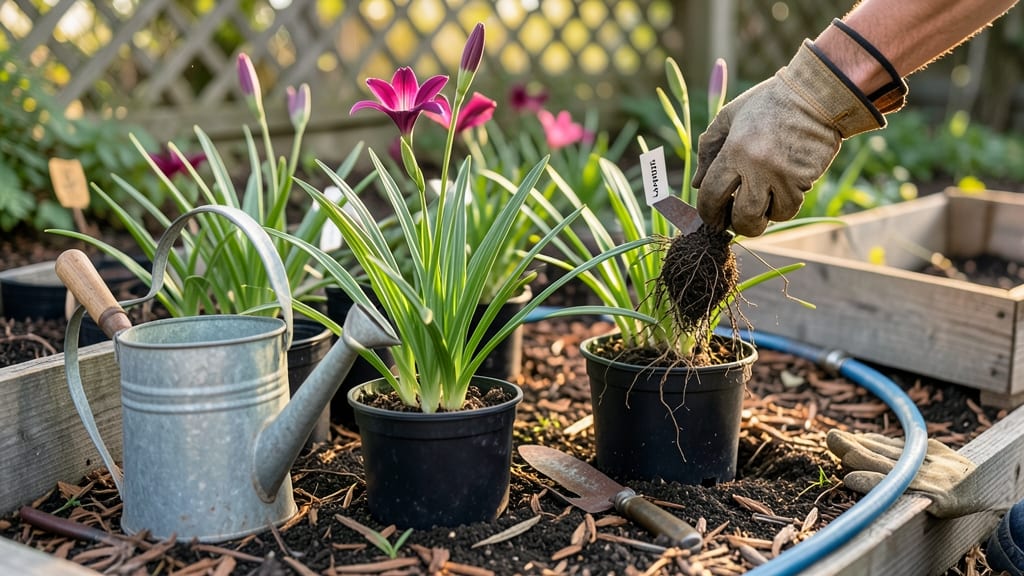
Planting daylilies 🌸 in Texas isn't just about grabbing a shovel and digging—it's about timing your move to match your region's unique climate.
Whether you're in frost-prone North Texas or balmy South Texas, getting those roots in the ground at the right moment makes all the difference for vibrant blooms next season.
I've seen firsthand how a wrong timing can mean struggling plants, while the perfect schedule leads to daylilies that thrive with minimal fuss. The key lies in understanding your local frost dates and soil temperatures, which vary dramatically across the state.
In this guide, I'll break down exactly when to plant—whether you're aiming for fall's cooler roots or spring's early growth—plus how to prep your soil for maximum success. Let's get those daylilies growing strong in your Texas garden.
You'll discover the best months for your specific zone, plus pro tips to ensure your daylilies take root and bloom beautifully year after year. Ready to transform your landscape with these hardy perennials?
Best months to plant daylilies in Texas by climate zone
Texas gardeners know that timing is everything—planting daylilies at the wrong time can mean struggling with heat stress or poor root establishment. The Lone Star State’s three distinct climate zones—North, Central, and South—each demand a unique approach to ensure your Hemerocallis thrives.
Understanding your frost dates and soil temperatures is key to planting success.
In North Texas (USDA Zones 7b-8a), cooler winters mean you have a longer window for fall planting, while Central Texas (Zones 8a-8b) offers variable conditions requiring careful timing. Meanwhile, South Texas (Zones 9a-10b) gardeners can plant year-round but must avoid peak summer heat.
Let’s break down the best months for each region to maximize your daylily blooms.
For North Texas, I recommend planting in late September through November to take advantage of cooler temperatures and avoid early frost. The soil should be at least 50°F (10°C)—use a soil thermometer to check! If you miss fall, February is your next best bet before the heat arrives.
Central Texas gardeners have a bit more flexibility due to its variable climate. Focus on September and October when soil temperatures are ideal (60–75°F or 15–24°C). If you plant in spring, wait until February or March to avoid the brutal summer heat, which can stress young plants.
In South Texas, where frost is rare, you can plant almost year-round—but timing still matters. September through November is ideal for fall planting, while February through April works for spring. Avoid June and July when soil temperatures can exceed 85°F (29°C), making root establishment difficult.
Regardless of your zone, always plant daylily crowns 1–2 inches below soil to prevent rot or exposure. Mulch with 2–3 inches of organic matter (like shredded bark) to retain moisture and regulate soil temperature. This step is critical in South Texas, where summer drought can stress new plants.
Pro tip: If you’re in North Texas and experience an early frost warning, cover young plants with row fabric to protect tender foliage. In Central Texas, watch for unpredictable cold snaps in late winter—planting in February gives roots time to establish before potential late frosts.
Finally, remember that daylilies are drought-tolerant once established, but young plants need consistent moisture. Water deeply 1–2 inches per week during the first growing season to encourage strong root development. Adjust your watering schedule based on rainfall—Texas summers can be unpredictable!
By following these region-specific guidelines, your daylilies will reward you with vibrant blooms from early summer through fall. Happy planting, and may your Texas garden flourish! 🌸
Signs your Texas soil is ready for daylily planting (and how to fix it)
Daylilies thrive in Texas when planted in soil that's warm but not scorching—typically between 60°F and 75°F. If you're unsure when to plant, check your soil's readiness by looking for these key indicators.
Texas's diverse climate means North, Central, and South regions all have slightly different timelines, but these signs apply universally.
First, test your soil moisture level. Stick your finger about 2 inches deep—if it feels damp but not soggy, your soil is ideal.
Daylilies hate waterlogged roots, so if your soil stays wet for days, it's not ready. Well-draining soil is critical, especially in clay-heavy Texas soils, which can suffocate roots.
Next, assess soil temperature. Use a soil thermometer to confirm it's above 60°F. In North Texas, this usually happens by late February or early March, while South Texas gardeners can plant as early as January.
Central Texas falls somewhere in between, typically late February to March.
⚠️ WARNING: Common Mistake in Texas Gardens ⚠️
Another telltale sign is active soil life. Healthy Texas soil teems with earthworms and beneficial microbes. Dig a small hole and check for these indicators—if you see worms or loose, crumbly soil, it's ready.
If your soil is hard and compacted, it needs organic matter. Mix in 2-3 inches of compost or aged manure to improve drainage and fertility.
For clay-heavy soils common in East Texas, amend with sand or perlite to prevent compaction. In sandy soils like those in West Texas, add peat moss or coconut coir to retain moisture. pH levels should be between 6.0 and 7.0—test your soil with a kit if you're unsure.
Daylilies are adaptable but bloom best in slightly acidic to neutral soil.
Finally, consider your planting location's microclimate. Urban areas like Austin or Dallas may have hotter microclimates due to pavement, while rural spots can stay cooler.
If your garden is shaded by trees or buildings, wait until soil warms up a few degrees longer than open areas. Morning sun exposure helps soil warm faster—plant in these spots first for earlier blooms.