
Plants
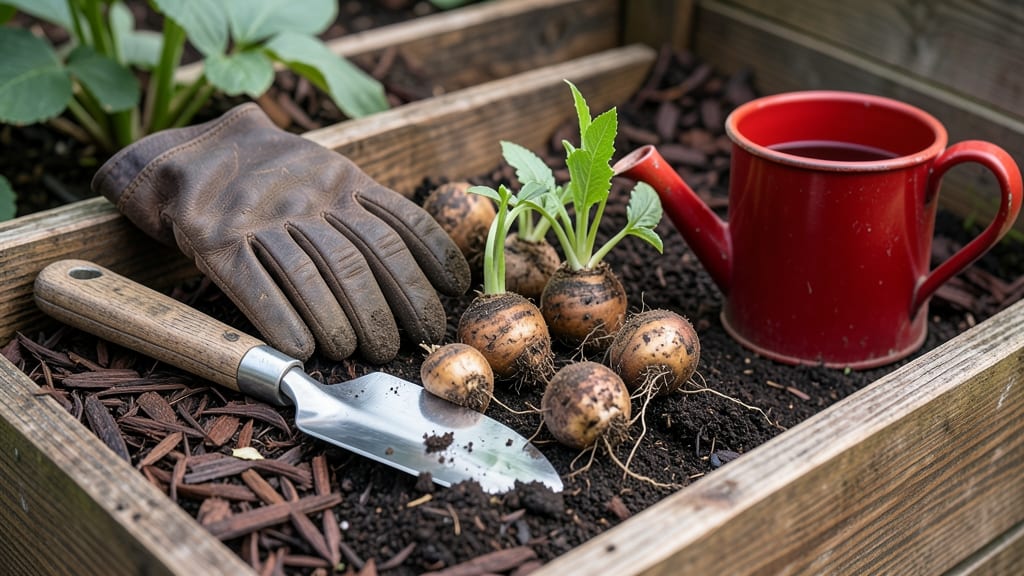
Planting dahlias in Vermont isn’t just about the calendar—it’s about catching that critical window between frost risk and soil warmth to ensure your 🌼 dahlias thrive. Skip the guesswork, and you’ll miss out on those vibrant summer blooms before the first frost sneaks in.
Most gardeners in Zone 5b wait until late April to mid-May, but timing depends on your last frost date and soil temperature. Cold soil can stall growth, so don’t rush—wait until the ground hits 60°F for the best start.
Whether you’re planting tubers or seeds, preparation is key. I’ll walk you through the best methods to beat Vermont’s short season, from hardening off tubers to choosing early-blooming varieties that stand up to late frosts.
Ready to turn your garden into a dahlia paradise? Let’s dive into the exact steps to plant your tubers at the perfect moment—so you’re not left with wilted dreams by summer’s end.
Vermont’s ideal dahlias planting window: frost dates by region
Vermont’s cool climate and late spring frosts demand precise timing for dahlias. Planting too early risks frost damage, while waiting too long shortens the blooming season. The key is waiting until soil temperatures consistently reach 55°F+—a threshold dahlias need to thrive.
In Vermont’s USDA Zones 3-5, this typically aligns with late May, but regional variations matter.
Burlington’s Zone 4b often sees its last frost around May 10-15, while southern Vermont’s Zone 5 areas like Bennington may warm up 1-2 weeks earlier. Rutland, in Zone 4a, sits in the middle, with frost risks lingering until May 20.
These dates aren’t set in stone—historical data shows frost can return unexpectedly even in June.
| Region | USDA Zone | Avg. Last Frost | Soil Temp. Threshold | Planting Window |
|---|---|---|---|---|
| Burlington | 4b | May 10-15 | 55°F+ (13°C) | May 25 - June 5 |
| Rutland | 4a | May 15-20 | 55°F+ (13°C) | June 1 - June 10 |
| Southern VT (Bennington) | 5 | May 5-10 | 55°F+ (13°C) | May 20 - May 30 |
Note: Use a soil thermometer to confirm readiness—surface temps can mislead.
For 2024 historical context, Burlington’s last frost ranged from May 5 (2020) to May 25 (2022), while southern Vermont saw frost as late as June 2 (2021).
These fluctuations highlight why flexibility is critical. I recommend monitoring local weather alerts and using row covers for early plantings if frost threatens.
Even after the last frost, soil warmth is non-negotiable. Dahlias won’t sprout until the ground reaches 60°F (15°C), which can lag behind air temperatures. In my Zone 4b garden, I’ve seen 3-4 weeks between frost-free air and soil readiness.
Test with a soil thermometer—it’s the only way to avoid false starts.
If you’re hardening off tubers indoors, start 4-6 weeks before your region’s planting window. Place tubers in bright, cool spots (60°F) and gradually expose them to outdoor conditions. This head start compensates for Vermont’s short growing season and gives dahlias a fighting chance against late frosts.
Pro tip: Early-blooming varieties like ‘Café au Lait’ or ‘Galaxy’ tolerate cooler soils better than late-season types. They’re my go-to for northern Vermont gardens where summers are brief. Pair them with black plastic mulch to warm the soil 5-10°F faster than bare earth.
Remember, Vermont’s first frost typically arrives September 20-October 1, giving dahlias just 165 frost-free days. Choose compact varieties (under 3 feet) for containers or borders to maximize blooms before winter. In my experience, dwarf dahlias like ‘Mignon’ outperform tall types in short seasons.
For extra insurance, plant tubers in containers that can be moved indoors if frost sneaks in early. I’ve saved entire plants this way—just ensure pots have drainage holes and use lightweight soil mixes to prevent root rot during Vermont’s cool, damp falls.
How to prepare dahlias for Vermont’s short growing season
Vermont’s cool, short growing season demands extra prep to get dahlias blooming before frost. Start by choosing early varieties like ‘Café au Lait’ or ‘Galaxy’, which thrive in USDA Zone 5b and bloom faster than standard types.
These varieties tolerate cooler soils and late frosts better, giving you a head start on color.
Before planting, harden off tubers for 1-2 weeks by placing them in a cool, bright location (like a garage with open windows). This mimics Vermont’s unpredictable spring temperatures and prevents shock when moved outdoors. Skip this step, and you risk stunted growth or root rot from sudden temperature swings.
⚠️ Critical Mistake: Planting Dahlias Too Early
Vermont’s last frost often hits May 15, but soil warmth lags behind. Planting tubers before soil reaches 60°F (15°C) triggers root rot or wilting. Wait until mid-to-late May—even if blooms arrive later, they’ll last longer.
🌱 Pro Tip: Use a soil thermometer to confirm readiness. Southern Vermont warms faster than northern areas, so adjust timing accordingly.
Amend your garden beds with compost or aged manure to improve drainage—dahlias hate soggy roots. Vermont’s clay-heavy soils in many areas need extra organic matter to prevent waterlogging. Mix in perlite or sand if your soil feels dense when squeezed.
Extend your blooming season with mulch and row covers. Apply 4-6 inches of straw mulch around plants to insulate roots and retain moisture. For late-season protection, use floating row covers to shield blooms from early September frosts. This simple trick adds 2-3 extra weeks of vibrant flowers.
Feed dahlias balanced fertilizer (5-10-10) every 4-6 weeks starting in early June. Vermont’s short growing season means dahlias need a nutrient boost to compensate for limited time. Avoid high-nitrogen formulas—they promote leafy growth over blooms, wasting your season.
Deadhead spent blooms regularly to encourage continuous flowering. In Vermont’s cool climate, dahlias may slow down by late August. Prune back leggy stems to redirect energy to new growth and hardier blooms. Save seeds from favorite varieties for next year’s earlier starts!