
Plants
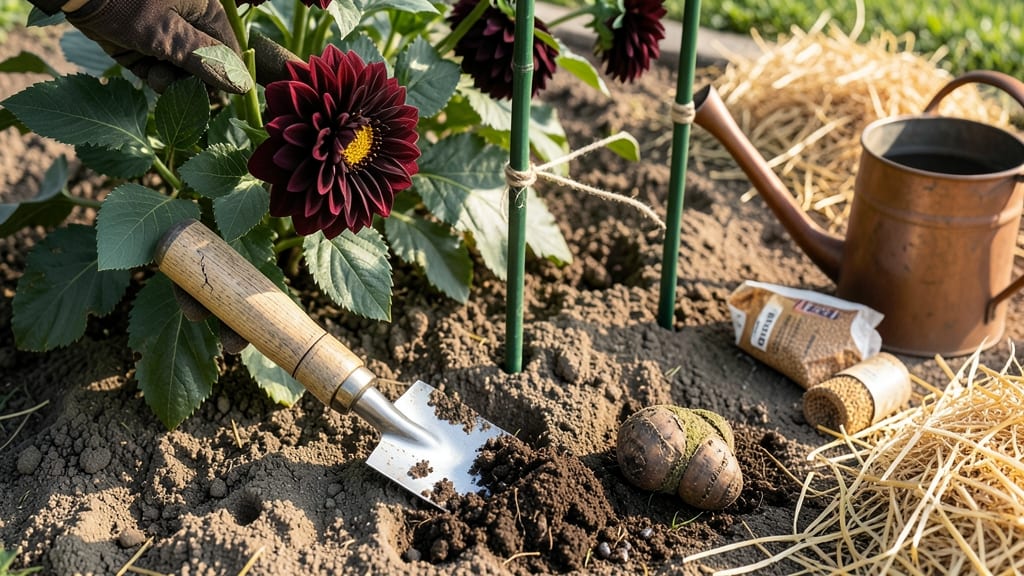
If you’ve ever planted dahlia bulbs 🌸 in Massachusetts only to watch frost nip your hopes, you’re not alone—timing is the difference between a show-stopping summer garden and a sad, shriveled failure.
The key isn’t just waiting for spring; it’s knowing exactly when the soil warms and the last frost has passed for your specific zone (hint: Zone 6a’s frost-free window opens around mid-May in most areas).
Here’s the secret: Dahlias hate cold soil, and planting too early means your tubers will rot before they even sprout. But rush it, and you’ll miss the 3-week window when soil hits 60°F—the sweet spot for root establishment.
I’ll walk you through the exact steps to time it right, from checking your local frost dates to prepping soil for maximum bloom power.
Why does this matter? Because a well-timed dahlia planting means bigger blooms, longer seasons, and fewer headaches when summer heat arrives.
Whether you’re a first-time gardener or a veteran with a few failed attempts under your belt, these pro tips will help you avoid the most common mistakes—like planting too shallow or ignoring soil prep.
Let’s dive into the perfect planting schedule for Massachusetts, plus how to stretch your dahlias’ season with simple tricks that actually work. Your garden’s late-summer color explosion starts with this one move—read on to get it right.
Massachusetts frost dates for dahlia bulbs: Zone 5b-6b planting timeline
Timing your dahlia bulb planting in Massachusetts means avoiding late spring frosts while maximizing your bloom season. Since we're in Zones 5b-6b, your frost-free window varies by region—sometimes just 1-2 weeks between neighbors!
Let’s break it down so you can plant with confidence and enjoy show-stopping dahlias from July through October.
Dahlias need soil temperatures above 60°F to thrive, which typically aligns with your last frost date. Planting too early risks frost damage to tender tubers, while waiting too long cuts your flowering window short.
The ideal 2-3 week planting window gives dahlias time to establish roots before summer heat arrives—critical for Massachusetts summers that can swing from cool to scorching.
Here’s your region-specific frost date breakdown for Zone 5b-6b, including soil temperature thresholds and the best planting window for each area:
| Region | Avg. Last Frost | Soil Temp Threshold | Ideal Planting Window | Microclimate Tip |
|---|---|---|---|---|
| Boston | May 10-15 | 60°F+ (May 20) | May 20 - June 5 | Urban areas warm faster; plant 1 week earlier in exposed beds. |
| Worcester | May 5-10 | 60°F+ (May 15) | May 15 - May 30 | Higher elevations delay warming; wait until soil reaches 60°F. |
| Springfield | May 1-5 | 60°F+ (May 10) | May 10 - May 25 | Valley areas warm early; use row covers for early plants. |
| Cape Cod | May 20-25 | 60°F+ (June 1) | June 1 - June 15 | Coastal breezes delay warming; plant dwarf varieties first. |
For Boston gardeners, aim to plant dahlia tubers between May 20 and June 5—this 2-week window ensures your plants establish roots before summer heat peaks.
If you’re in Worcester or Springfield, you can start slightly earlier (May 15-30), but always check soil temperature with a thermometer. Cape Cod’s later frost dates mean you’ll need to wait until early June, but the longer daylight hours there help dahlias bloom robustly.
Adjust your planting timeline based on microclimates. South-facing beds warm 1-2 weeks earlier than north-facing spots, while low-lying areas may stay cooler longer. If your garden has frost pockets, opt for dwarf dahlias (like 'Bishop' or 'Café au Lait') that mature faster and handle cooler soils better.
For taller varieties (like 'Gallery' or 'Karma Choc'), wait until the full 2-week window to avoid floppy stems from slow growth.
Pro tip: Pre-sprout your dahlia tubers indoors 4-6 weeks before planting to give them a head start. Place tubers in potting mix with the neck exposed, keep them in bright light, and water when the top inch dries.
This trick lets you plant sprouted tubers as soon as soil warms, shaving 2-3 weeks off your time to bloom.
Once planted, mulch heavily with straw or shredded leaves to insulate roots and retain moisture. Dahlias in Massachusetts face hot, dry spells by late summer—consistent watering (1 inch per week)
How to extend your dahlia season in Massachusetts: cold protection and early/bloom strategies
Massachusetts’ short growing season can feel like a race against time for dahlias, but with the right strategies, you can push those show-stopping blooms earlier and keep them going later. The key is understanding how to protect tubers from late frosts while maximizing warmth for extended blooming.
I’ve tested these methods in my own Zone 5b garden—here’s what works best for cold-hardy dahlias and season extension.
For early blooms, focus on cold frames and row covers to create microclimates that let you plant 2-3 weeks before the official last frost date. In my experience, this shaves critical time off the growing season.
Meanwhile, heat-tolerant varieties and strategic succession planting can keep your dahlias flowering well into October. Let’s break down the exact tactics that’ll give you that longer dahlia season you crave.
5 Proven Ways to Extend Your Dahlia Season
- 🌱 Cold Frame Planting: Start tubers in unheated cold frames 4-6 weeks before last frost. My ‘Café au Lait’ dahlias bloom 3 weeks earlier this way!
- ✂️ Row Covers: Use floating row covers to protect newly planted tubers. Remove covers when soil warms to 55°F to prevent overheating.
- 🌡️ Low-Chill Varieties: Choose ‘Bishop’ or ‘Thomas Edison’—they thrive with fewer than 1,000 chill hours, perfect for MA’s short winters.
- 🌿 Succession Planting: Plant half your tubers early (late April) and the rest mid-May for staggered blooms through October.
- ☀️ Heat-Tolerant Picks: ‘Arabian Night’ and ‘Karma Choc’ handle MA’s 90°F+ days without wilting.
One of my favorite tricks is using black plastic mulch to warm soil faster—this lets me plant dahlias 2 weeks earlier than the traditional timeline. The mulch also suppresses weeds, giving your dahlias a competitive edge right from the start.
Pair this with drip irrigation to maintain consistent moisture, and you’ll see faster growth and bigger blooms.
For late-season blooms, focus on deadheading spent flowers and fertilizing with low-nitrogen feed (like 5-10-10) every 3-4 weeks. I’ve kept my ‘Galaxy’ dahlias flowering until mid-October using this method. Just be sure to cover tubers with straw when nighttime temps drop below 40°F to protect them from early frosts.
If you’re short on space, consider container growing. Dwarf varieties like ‘Mignon’ series thrive in 12-inch pots and can be moved to sunny patios or balconies for extended exposure. I’ve had success with this in my Zone 6b microclimate, where containers stay warmer longer than in-ground plantings.
Remember, dahlias are perennials in Zones 7-10, but in Massachusetts, we treat them as annuals for simplicity. However, with these strategies, you can maximize their potential and enjoy their vibrant blooms for nearly the entire growing season. The secret? Plan ahead, protect early, and nurture late. 🌸