
Plants
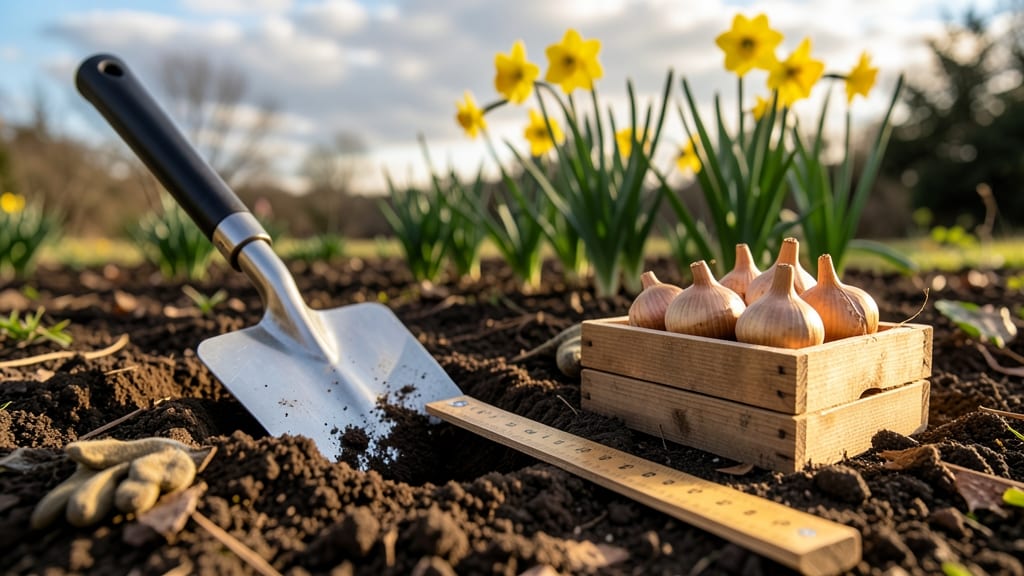
Planting daffodils in Virginia at the wrong time could mean the difference between a vibrant spring display of 🌼 and wasted effort. The ideal window opens in fall—specifically, between October and November—when soil temperatures drop but before the ground freezes solid.
Why does timing matter so much? Daffodil bulbs need 6-8 weeks to establish roots before winter sets in, but they can’t handle soggy soil or freezing temperatures. Virginia’s USDA zones 6a-8a create a tricky balance—too early, and bulbs rot; too late, and they won’t bloom as strongly next spring.
I’ve learned the hard way that even a two-week difference can affect bloom size and plant health. The key is reading your local microclimate: Coastal areas may plant later, while higher elevations in the Blue Ridge need an earlier start.
Let’s break down the exact dates and soil prep tricks that work in your corner of Virginia.
You’ll also discover how to adjust for Virginia’s unpredictable weather—like sudden cold snaps or wet falls—and which daffodil varieties thrive best in your zone. Ready to set your garden up for zero-frost survival and next year’s brightest blooms?
Optimal fall planting dates for Virginia daffodils by region
Virginia’s diverse climate zones create unique planting windows for daffodils. In the Coastal Plain, milder winters mean a longer fall window, while the Blue Ridge Mountains demand earlier planting to beat frost.
Understanding your zone’s average first frost date and soil temperature is critical—daffodils need 6-8 weeks to establish roots before winter sets in.
For zero-frost survival, aim to plant when soil temperatures drop to 50-60°F but before hard freezes. Coastal areas can wait until mid-November, while mountain regions should plant as early as late September. Missing this window risks weak bulbs or winter rot.
Here’s how Virginia’s four main regions compare for optimal daffodil planting:
In the Coastal Plain (USDA 7a-8a), you’ve got flexibility until mid-November thanks to milder winters. But don’t wait too long—soil temperatures drop faster than you think. Use a soil thermometer to confirm 50-60°F readings before planting.
For Piedmont gardeners (USDA 6b-7a), aim for late September to early November. This zone’s variable weather means checking your local frost forecast is non-negotiable. Plant too late, and bulbs may not root deeply enough before winter.
The Blue Ridge Mountains (USDA 5b-6a) demand the earliest action—late August to mid-October. Higher elevations mean colder soils faster. If you miss this window, consider container planting for added insulation.
In the Shenandoah Valley (USDA 6a-7a), balance is key. Plant between early October and early November to avoid both summer heat stress and winter freezes. This zone’s microclimates can shift dramatically—monitor your specific location.
Pro tip: Use local frost date averages as a guide, but always verify with a 10-day forecast before planting. Daffodils planted in well-draining soil with 6+ hours of sun will reward you with vibrant spring blooms regardless of Virginia’s zone.
Remember, soil temperature matters more than air temperature. A cool fall day might feel pleasant, but if the ground is still warm, bulbs can rot. Test your soil with a thermometer—50-60°F is the sweet spot for root establishment.
🌼
How to prepare Virginia soil for daffodil bulbs before planting
Daffodils thrive in Virginia’s climate when planted in well-amended soil that mimics their natural woodland habitat. The key to zero-frost survival starts with 6-8 weeks of prep before your target fall planting window.
Poor drainage or compacted soil will leave bulbs vulnerable to rot, while ideal conditions—loamy, slightly acidic soil with organic matter—ensure robust root growth.
Virginia’s USDA zones 6b-8a mean soil temperatures vary dramatically by region. In the Coastal Plain (6b-7a), you’ll need to amend soil earlier (late August) to account for warmer soils, while mountainous areas (7b-8a) can wait until early October.
The goal? Achieve a 6.0-7.0 pH and 30-40% organic matter ratio before the first frost.
- ☑️ Test soil pH (use a garden kit or send to Virginia Cooperative Extension)
- ☑️ Add compost (2-3 inches of aged compost or well-rotted manure)
- ☑️ Loosen compacted soil with a broadfork to 12 inches deep
- ☑️ Adjust pH with lime (if below 6.0) or sulfur (if above 7.0)
- ☑️ Improve drainage by mixing in sand or perlite if soil is clay-heavy
- ☑️ Apply bone meal (1 tbsp per planting hole) for phosphorus boost
- ☑️ Mulch lightly with straw (1 inch) to retain moisture
For clay-heavy soils common in Virginia’s Piedmont, mix in 50% sand or coarse perlite to prevent waterlogging. Daffodils hate soggy roots—even a 24-hour saturation can trigger bulb rot. If your soil drains poorly, create raised beds or plant bulbs on sloped mounds to encourage runoff.
Timing your amendments is critical. In Northern Virginia (zones 6b-7a), start prepping soil in late September to allow organic matter to integrate before the November 1 frost date. In Southside Virginia (zones 7b-8a), you have until mid-October—but don’t wait too long, as cooler soils slow decomposition.
After amending, conduct a final soil check by digging a 6-inch hole and filling it with water. If it drains in under 2 hours, your soil is ready.
If not, add more organic matter or sand and retest. Pro tip: Work in dry conditions—wet soil compacts easily and defeats your prep efforts.
Once your soil is prepped, daffodil bulbs will establish roots 3-4 weeks before frost, giving them the strength to survive winter. The payoff? Vibrant spring blooms that outshine neighbors with poor soil prep.
For extra insurance, mulch with 3 inches of shredded leaves after planting to insulate bulbs through Virginia’s freeze-thaw cycles.