
Plants
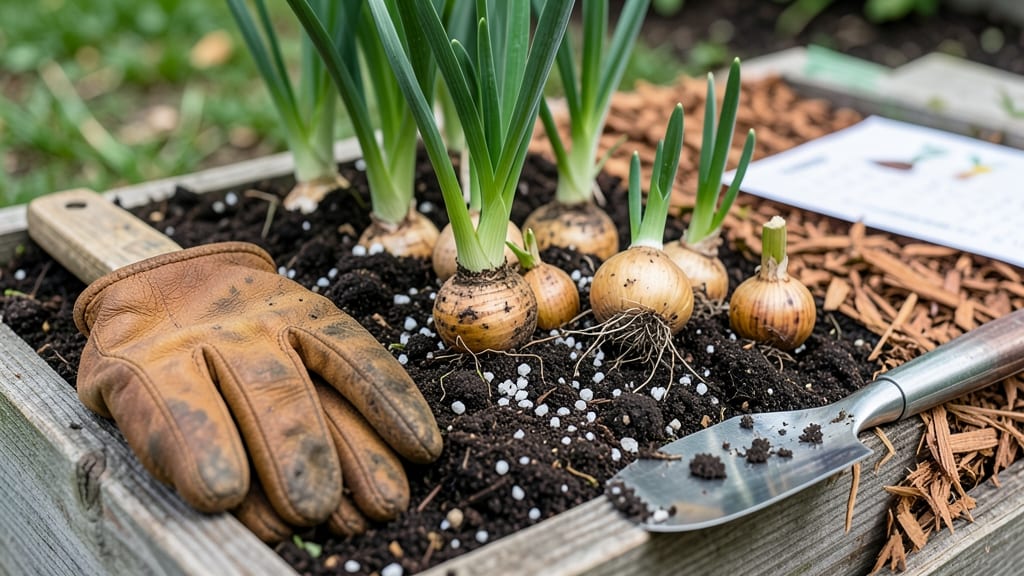
Planting daffodil bulbs at the right time in Seattle can mean the difference between show-stopping spring blooms and disappointment—especially when those 🌼 flowers are your first sign that winter’s over.
Seattle’s USDA Zone 8a climate gives you a narrow but critical window to plant these cold-hardy bulbs, and getting it wrong can leave your garden missing its cheerful yellow bursts.
The secret? Timing it perfectly between October and November, when the soil is cool but still workable, and before the first hard frost locks things in.
I’ve learned the hard way that rushing or waiting too long can backfire—whether it’s bulbs rotting in soggy soil or freezing before they’ve rooted. But with the right approach, you’ll set them up to thrive through Seattle’s damp winters and emerge stronger in spring.
Let me walk you through the exact steps to plant your daffodils so they’re ready to burst into bloom by April or May, no matter what Seattle’s unpredictable weather throws at them.
Seattle’s ideal planting window: month-by-month cold-hardy schedule
Seattle’s USDA Zone 8a climate creates a unique challenge for daffodil growers. Unlike warmer regions, we can’t plant bulbs in late fall or early spring—timing must align with soil temperature thresholds and frost risk factors to ensure reliable blooms.
The 6-week window between mid-October and mid-November is critical for establishing roots before winter dormancy.
Fall planting outperforms spring alternatives in the Pacific Northwest because bulbs need 4-6 weeks to root before the ground freezes. This head start ensures daffodils emerge early next spring, often 2-3 weeks before spring-planted bulbs.
Plus, fall-planted bulbs develop stronger root systems that withstand Seattle’s unpredictable spring rains and late frosts.
Here’s why this window works: Soil temperatures in Seattle typically drop below 50°F (10°C) by late November, signaling bulbs to enter dormancy. Planting too late risks shallow roots, while planting too early (September) may cause bulbs to sprout and get damaged by early frosts.
🌼
October is the sweet spot for planting daffodil bulbs in Seattle. Aim for mid-October to early November when daytime temperatures hover around 55-65°F (13-18°C) and nighttime temps drop to 45°F (7°C). This balance allows bulbs to establish roots without sprouting prematurely.
For late-November planting, choose cold-hardy varieties like ‘Ice Follies’ or ‘Tête-à-Tête’, which tolerate shorter rooting periods. Always plant bulbs 6-8 weeks before the first expected frost (typically mid-November in Seattle) to ensure success.
Soil temperature is more critical than air temperature. Use a soil thermometer to verify readings—ideal planting soil should be 50-60°F (10-15°C). If temps drop below 40°F (4°C), bulbs may fail to root properly, leading to weak or no blooms next spring.
Seattle’s clay-heavy soils can delay warming in spring, making fall planting even more advantageous. Bulbs planted in fall have a 3-4 week head start on root growth, giving them a competitive edge over spring-planted bulbs that struggle with compacted, waterlogged soil.
Pro tip: Mulch heavily after planting with 4-6 inches of straw or shredded leaves to insulate bulbs and maintain consistent soil temperatures. This extra layer helps protect against temperature fluctuations common in Seattle’s microclimates.
🌱
How to adjust planting timing for Seattle’s microclimates
Seattle’s varied landscapes—from the cooler coastal zones near Puget Sound to the warmer urban heat islands downtown—create unique growing conditions for daffodils. These microclimates can shift your ideal planting window by 2-4 weeks, so understanding your specific area is crucial for success.
Coastal gardens often experience later frosts and cooler soils, while inland spots may warm up faster, demanding earlier adjustments.
For coastal Seattle (like Bainbridge Island or West Seattle), aim to plant daffodil bulbs between mid-October and early November to avoid early winter rains that can delay soil freezing.
In contrast, urban heat islands (such as Ballard or Pioneer Square) may allow planting as early as late September—just be prepared for potential heat stress if bulbs sprout too soon. Inland areas like Redmond or Kenmore can handle planting until mid-November due to their drier, colder winters.
🌱 Seattle Microclimate Planting Adjustments
| Microclimate | Ideal Planting Window | Key Adjustments |
|---|---|---|
| Coastal (West Seattle, Bainbridge) | Mid-October–Early November | Wait for soil temps < 60°F; use 3" mulch to insulate. |
| Urban Heat Islands (Ballard, Downtown) | Late September–Mid-October | Plant ‘Tête-à-Tête’ (dwarf) varieties; water deeply after planting. |
| Inland (Redmond, Kenmore) | Late October–Mid-November | Choose ‘Ice Follies’ (taller, hardier); plant deeper (8"). |
💡 Pro Tip: Test soil moisture before planting—coastal areas stay wetter longer, while urban spots dry out faster.
Mulching is your best friend when adjusting for Seattle’s microclimates. Apply 3–4 inches of organic mulch (like straw or shredded bark) immediately after planting to regulate soil temperature.
In cooler zones, mulch prevents frost heaving by insulating bulbs, while in warmer urban areas, it retains moisture for early sprouts. For clay-heavy soils (common in inland areas), mix in compost or sand to improve drainage and prevent bulb rot.
Bulb depth also varies by microclimate. In coastal areas, plant bulbs 6–8 inches deep to protect them from winter rains, whereas urban heat islands can handle shallower planting (4–6 inches) due to faster soil warming.
Always plant with the pointy end up—this ensures proper root and shoot development. Variety selection matters too: ‘Tête-à-Tête’ daffodils thrive in urban containers, while ‘Ice Follies’ handle inland winters better.
Watch for unexpected warm spells in late fall, which can trick bulbs into sprouting too early. If this happens, cover newly planted areas with straw mulch or a lightweight frost blanket to delay growth until temperatures stabilize.
Conversely, if winter arrives early (like in 2020–2021), prioritize planting hardy varieties like ‘February Gold’ to ensure spring blooms despite the cold snap.
Finally, monitor your garden’s microclimate shifts year-round. A south-facing wall can create a 5°F warmer zone than open ground, while a shady spot under trees may delay planting by 1–2 weeks.
Adjust your timing annually based on these observations—Seattle’s weather is unpredictable, but with these tweaks, your daffodils will bloom reliably every spring. 🌼