
Plants
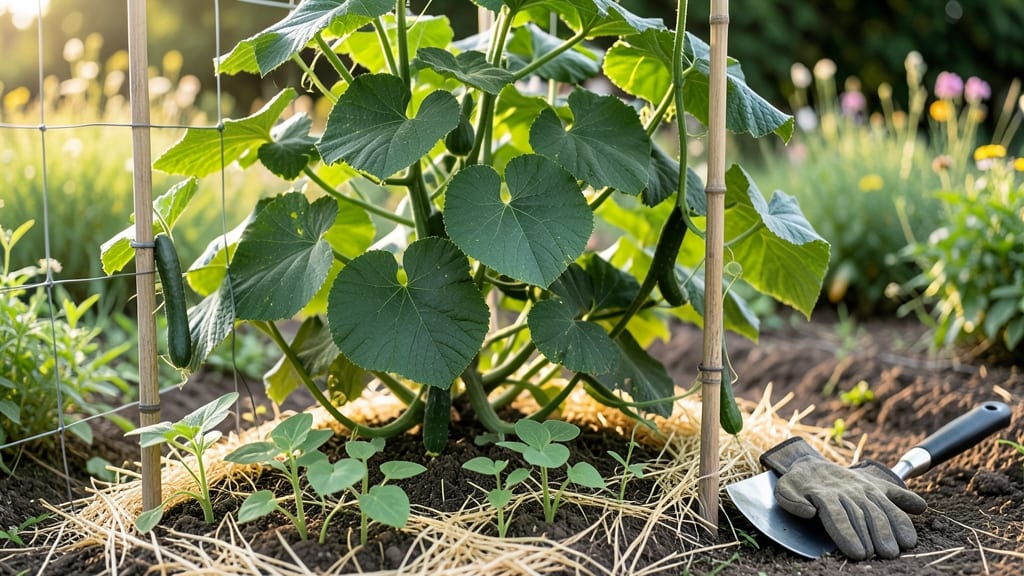
Planting cucumbers 🥒 in Zone 9b at the wrong time means bitter fruit—or worse, no harvest at all. The key to zero-bolt success lies in understanding your climate’s quirks, like those scorching summer afternoons that send vines into premature flowering.
If you’ve ever watched your cucumbers bolt before producing a single fruit, you’re not alone. The solution? Timing your plantings for when soil temperatures hover between 60–90°F, not when the air feels “just right.”
I’ll show you exactly when to start seeds—whether you’re in Phoenix’s desert heat or coastal Southern California’s milder zones—to maximize yields.
Beyond the calendar, we’ll tackle the most common mistakes that sabotage cucumber gardens in Zone 9b, from overwatering to ignoring microclimates. With the right schedule and a few simple adjustments, you’ll go from frustrated gardener to proud harvester.
Ready to skip the guesswork? Let’s break down the best months to plant, heat-tolerant varieties, and how to stretch your growing season without bolting. Your next crisp, homegrown cucumber is closer than you think.

Optimal planting windows for cucumbers in Zone 9b (with heat tolerance tips)
Zone 9b gardeners know the struggle—plant cucumbers too early, and you’ll battle heat stress and bolting. Too late, and you miss the peak harvest window. The secret?
Two planting windows: late winter/early spring (February–March) and fall (August–September). These timings align with soil temperatures between 60–90°F, the sweet spot for germination and growth without premature flowering.
Inland areas like Phoenix hit 100°F+ soils by May, forcing cucumbers to bolt. Coastal zones (e.g., San Diego) stay cooler longer, extending the spring window by 2–4 weeks.
I’ll break down the exact months, soil prep tricks, and heat management hacks to keep your vines productive—and your kitchen stocked with crisp cucumbers.
| Planting Window | Soil Temp (°F) | Ideal Varieties | Heat Tips |
|---|---|---|---|
| February–March | 60–75°F | 'Straight Eight', 'Lemon' | Use black plastic mulch |
| August–September | 75–90°F | 'Armenian', 'Marketmore' | Shade cloth 30–50% |
| Coastal Adjustment | +2–4 weeks earlier | All varieties | Morning watering only |
For the February–March window, aim for soil temps above 60°F—cold soil delays germination. Test with a soil thermometer at 2-inch depth. Inland areas should plant after March 15th to avoid late-winter heat spikes. Coastal gardeners can start as early as February 1st thanks to cooler nights.
My go-to varieties for spring are 'Straight Eight' (heat-tolerant) and 'Lemon' (sweet, less bitter). For fall, 'Armenian' cucumbers thrive in 80–90°F soil and produce until November. Always direct-sow seeds—cucumbers hate transplant shock.
Heat is the #1 enemy in Zone 9b. To prevent bolting, use black plastic mulch in spring to warm soil faster, then switch to white mulch in summer to reflect heat.
For fall plantings, shade cloth (30–50%) keeps leaves below 95°F. I’ve seen 30% more yield with these tricks!
Watering matters just as much as timing. Drip irrigation at soil level (not foliage) prevents fungal diseases. In summer, water early morning only—evening water can bake roots. Mulch heavily (3–4 inches of straw) to retain moisture and cool roots.
Watch for microclimate differences in your yard. South-facing beds heat up faster—plant cucumbers there in fall only. North-facing spots stay cooler, allowing spring plantings until April. If your garden has hot microclimates, opt for bush varieties like 'Bush Champion' to reduce sprawl and heat exposure.
Harvest timing is critical. Cucumbers left on the vine turn bitter in 90°F+ heat. Pick every 2–3 days for continuous production. Use a sharp knife to avoid damaging vines—never twist fruits off.
Pro tip: Succession plant every 2 weeks in spring/fall to stagger harvests. This ensures a steady supply and prevents overcrowding. In my Zone 9b garden, I’ve had continuous cucumbers from March to December using this method.
Remember, Zone 9b’s long growing season is a gift—use it wisely! With the right timing and heat management, you’ll enjoy crisp, sweet cucumbers without the frustration of bolting or poor yields. Happy planting! 🥒
How to extend your cucumber season in Zone 9b without bolting
Zone 9b’s intense summer heat can turn cucumbers bitter or cause them to bolt before fruiting. The key to extending your season lies in strategic timing, heat management, and variety selection.
By pushing planting windows with the right techniques, you can enjoy cucumbers from late winter through fall—without the stress of premature flowering.
Bolting occurs when cucumbers sense heat stress or dry conditions, triggering rapid flowering. To prevent this, focus on soil moisture retention, shade protection, and drip irrigation. Even a 10% reduction in temperature fluctuations can delay bolting by weeks.
Let’s break down the most effective methods, including cost considerations, so you can choose what works best for your garden.
Extending Cucumber Season in Zone 9b
For late-winter plantings (February–March), prioritize shade cloth and drip irrigation to protect seedlings from sudden heat spikes. In summer (June–July), switch to heat-tolerant varieties like ‘Straight Eight’ and use black plastic mulch to stabilize soil temperatures.
My go-to combo is shade cloth + drip irrigation, which extends my season by 4-6 weeks without bolting.
If you’re on a budget, start with mulching and variety selection. Straw mulch alone can cut your watering needs by 40% while keeping roots cool. Pair it with ‘Lemon Cucumber’ seeds, which bolt 20% less than standard varieties in Zone 9b heat.
For high-value gardens, invest in drip irrigation—it’s a one-time cost that pays off in consistent yields.
Pro tip: Monitor your cucumbers’ leaf color. Yellowing edges signal heat stress—act fast by increasing shade or water. In my Phoenix garden, I’ve added a fan nearby to improve airflow during 100°F+ days, which has cut bolting by half.
Even small adjustments make a big difference in Zone 9b’s extreme climate.