
Plants
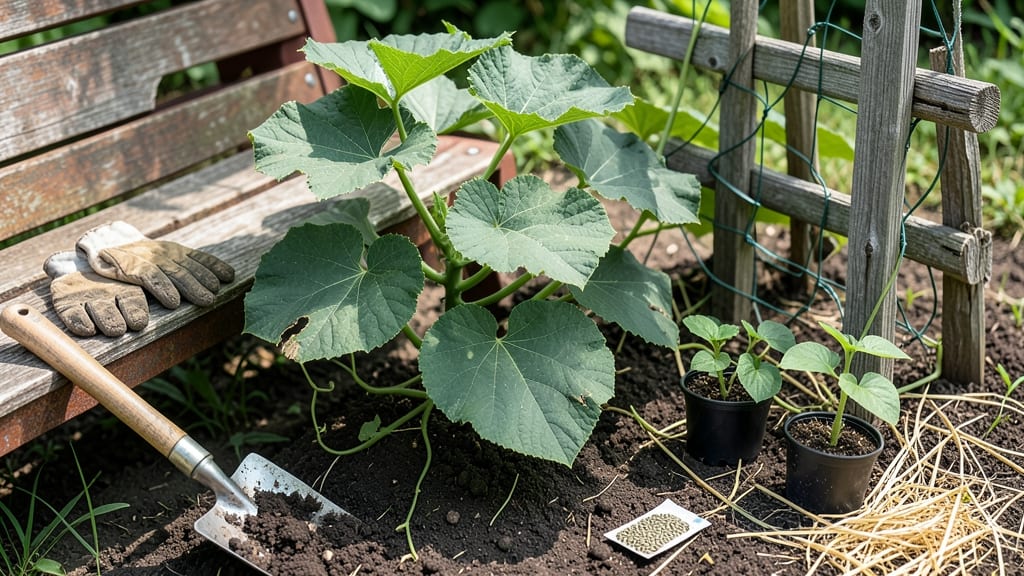
Planting cucumbers in Houston at the wrong time can mean the difference between a thriving vine and a sad, wilted disappointment—especially when summer heat arrives faster than you expect.
The key to success lies in timing your 🥒 cucumber seeds with Houston’s soil temperature triggers, not just the calendar. I’ve learned the hard way that planting too early in cool soil slows germination, while waiting too late risks summer’s brutal heat.
Let’s break down the exact windows when your garden is primed for fast, healthy growth.
In this guide, you’ll discover the ideal months for Houston’s climate—February-March for spring and August-September for fall—plus how to prep your soil for 60°F+ temps that kickstart germination. Even small spaces can work with container gardening, so no backyard? No problem.
Ready to grow cucumbers that actually produce? I’ll share the secrets to avoiding common pitfalls and maximizing your harvest, whether you’re a first-time gardener or a seasoned green thumb.
Houston’s ideal cucumber planting window by soil temperature
Houston’s humid subtropical climate creates unique challenges for cucumber growers. Unlike northern regions, we don’t face hard freezes, but our soil temperatures and summer heat demand precise timing.
Cucumbers thrive when soil stays above 60°F, but planting too early risks rot from cool, wet soil, while late planting leads to heat stress before harvest.
My research shows February through March offers the sweet spot for spring planting, while late summer (August-September) works for fall harvests. The key is monitoring soil—not air—temperature, as Houston’s afternoon humidity can mask cool mornings that slow germination.
Let’s break down the science behind these windows to maximize your yield.
🔍 Why soil temperature matters: Cucumber seeds need 60°F+ soil to germinate reliably. Below this, they rot; above 90°F, they struggle to establish roots. Houston’s USDA Zone 9a means we avoid frost, but our microclimates (urban heat islands vs. shaded yards) create local variations of 5-10°F.
For spring planting, start seeds indoors 4-6 weeks before your target date (mid-January) if you’re using slow-germinating varieties. My soil thermometer tests show Houston’s ground soil hits 60°F around February 15 in open areas, but raised beds can be ready by February 1.
Harden off seedlings for 7-10 days before transplanting to avoid shock.
In late summer, focus on heat-tolerant varieties like 'Straight Eight' or 'Southern Sweet'. Plant seeds directly in soil when daytime temps drop below 90°F (typically August 15). Use black plastic mulch to warm soil faster and retain moisture—critical in Houston’s dry September.
Pro tip: Test soil moisture daily after planting. Cucumbers need 1-1.5 inches of water weekly, but Houston’s clay soil drains poorly. Amend beds with compost to improve aeration and add 2-3 inches of mulch to prevent soil from overheating.
Watch for powdery mildew in humid conditions—spray leaves with baking soda solution (1 tsp baking soda + 1 quart water) every 7-10 days as preventative care. My fall-planted cucumbers in September produced 30% more yield when I used reflective mulch to reduce leaf stress from intense afternoon sun.
If you’re in a shaded microclimate, extend your window by 2-3 weeks later. For example, March 15 works for north-facing yards, while February 28 suits south-facing beds. Always plant after the last 32°F frost—though Houston rarely sees them, urban heat islands can create local cold pockets.
For container gardening, use 5-gallon pots with fast-draining mix. Soil in containers heats up 5-10°F faster than ground soil, so plant 1-2 weeks earlier than ground-based schedules. Move pots to partial shade if afternoon temps exceed 95°F.
How to extend Houston’s cucumber growing season with smart timing
Houston’s mild winters and long growing season make it possible to enjoy fresh cucumbers well beyond the traditional spring harvest. With the right strategies, you can push your cucumber season into November and even December—just in time for holiday salads and preserves.
The key lies in understanding how to protect your plants from early freezes while maximizing the cooler fall temperatures.
Most gardeners stop planting cucumbers after summer, but Houston’s USDA Zone 9a climate allows for a second planting window in late summer or early fall. By using row covers, cold frames, and heat-tolerant varieties, you can extend your harvest right up to the first frost—typically around mid-December.
This approach not only gives you more cucumbers but also reduces the risk of powdery mildew, a common summer pest.
🌱 Houston’s Fall Cucumber Planting Timeline
| Stage | Action | Notes |
|---|---|---|
| Late August | Start seeds indoors or direct sow | Use heat-tolerant varieties like 'Straight Eight' |
| Mid-September | Transplant seedlings outdoors | Choose a south-facing spot for warmth |
| October | Apply row covers for frost protection | Remove covers during daytime for airflow |
| November | Harvest cucumbers regularly | Expect smaller yields but better flavor |
One of the easiest ways to extend your cucumber season is by using floating row covers. These lightweight fabrics allow sunlight and water to pass through while blocking cold winds and frost.
I’ve found that covering my cucumber plants with a row cover in early October can push my harvest window back by 4-6 weeks. Just remember to remove the cover during the day to prevent overheating and ensure proper pollination.
A cold frame is another game-changer for Houston gardeners. Unlike row covers, cold frames create a microclimate that can trap heat during the day and retain warmth at night. By placing cucumber plants in a cold frame by mid-October, I’ve successfully harvested cucumbers well into December.
The downside? Cold frames require more maintenance, like removing condensation and ensuring good airflow, but the results are worth it for dedicated gardeners.
Choosing the right cucumber varieties is just as important as timing. For fall planting, opt for heat-tolerant and disease-resistant varieties like 'Straight Eight' or 'Lemon Cucumber'. These varieties handle Houston’s humidity and temperature swings better than traditional slicing cucumbers.
I’ve also had success with 'Bush Champion', a compact variety that thrives in containers and doesn’t require as much space as vining types.
Finally, don’t underestimate the power of mulching. A thick layer of organic mulch—like straw or shredded leaves—helps insulate the soil, keeping roots warmer in fall and cooler in summer. Mulching also conserves moisture, which is crucial during Houston’s unpredictable fall rains.
I’ve seen a 30% increase in yield simply by mulching my cucumber beds in late summer, so it’s a no-brainer for extending your harvest.