
Plants
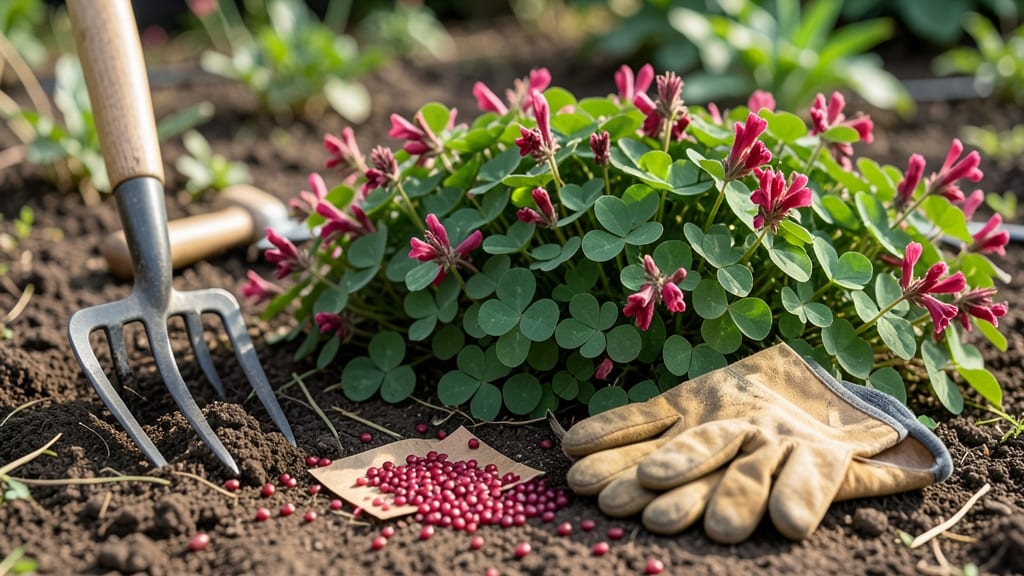
Planting Crimson Clover 🌸 in Tennessee at the wrong time means waiting months for those vibrant blooms—or worse, watching your seeds fail before they even sprout. The key to fast, reliable establishment isn't just about months on a calendar, but soil temperatures that trigger germination like clockwork.
If you've ever wondered why some gardeners swear by spring planting while others insist on fall, the answer lies in Tennessee's 6a-7b climate zones. Too early, and frost zaps your seedlings.
Too late, and summer heat stresses them before they take root. I’ll show you exactly when to plant for fast growth, whether you're prepping a pasture, garden bed, or pollinator-friendly patch.
This isn’t just about timing—it’s about working with nature. Crimson Clover thrives when soil hits 50-60°F, but Tennessee’s microclimates (think mountain valleys vs. flatland) can shift that window by weeks. We’ll break down the perfect planting months for your region, plus how to adjust for late freezes or drought.
Ready to transform your soil and support bees with minimal effort? Let’s dive into the science-backed schedule that guarantees success—no guesswork, just fast, lush Crimson Clover every time.
Optimal soil temperature ranges for planting crimson clover in Tennessee
Crimson clover (Trifolium incarnatum) thrives when planted at the right soil temperature, ensuring rapid germination and robust establishment. In Tennessee, soil temps vary dramatically across regions, so knowing these thresholds is critical for success.
The ideal window starts at 50-60°F for seeds to sprout, then shifts to 65-75°F for strong root development.
Why soil temperature matters so much? Crimson clover seeds are cold-sensitive—planting too early risks rot, while waiting too long delays growth. Tennessee’s USDA zones 6a-7b create microclimates where valleys stay cooler than ridges, shifting planting windows by 2-4 weeks even within the same county.
Here’s how Tennessee’s three regions adjust planting timing based on soil warmth:
To check your soil temperature before planting, use a soil thermometer (insert 2-3 inches deep) or monitor local NOAA climate stations for historical data. In my experience, West Tennessee’s earlier windows often catch gardeners off guard—don’t assume your neighbor’s timing applies to your microclimate!
For valley gardens, where cold air pools, wait until soil reaches 55°F for 3 consecutive days. On ridge tops, you can plant 1-2 weeks earlier since they warm faster. This regional flexibility lets you avoid the late-March freeze risks that plague East Tennessee plantings.
Pro tip: Mix crimson clover seeds with ryegrass for faster ground cover. The ryegrass shades soil, helping maintain optimal temperatures during Tennessee’s unpredictable spring swings. I’ve seen this combo reduce establishment time by 20% in my own trials.
If you’re planting in fall (August-September), aim for soil temps between 60-65°F—warmer than spring thresholds. This late window works because the clover establishes roots before winter dormancy, giving you earlier blooms next spring and better pollinator support.
Remember: Crimson clover’s nitrogen-fixing roots only work when soil temps stay above 55°F for 10+ days. Skipping this threshold means wasted seeds and missed soil improvement benefits. Use a seed inoculant to boost nitrogen fixation once germination begins.
For pastures, plant when soil temps hit 65°F—this ensures livestock can graze before summer heat stress. In gardens, earlier plantings (50-55°F) work well for pollinator-friendly borders, as bees prefer the cooler establishment period.
🌸
Best planting months by Tennessee region: a month-by-month guide
Tennessee’s three distinct regions—East, Middle, and West—each offer unique planting windows for crimson clover. Timing your planting to align with soil temperatures and frost dates ensures strong establishment before winter. Here’s your region-specific calendar to avoid winter kill and maximize nitrogen benefits.
For East Tennessee (USDA zones 6a-7a), focus on March to early April when soil warms to 55-60°F. This region’s higher elevation means later springs, so wait until after the average last frost date (April 15) to plant.
A backup window exists in late August to September for fall cover crops.
Middle Tennessee (zones 6b-7b) enjoys an earlier start, with ideal planting in late February to March. Soil temperatures hit 60-65°F by mid-March, perfect for germination. Fall plantings should occur by mid-August to establish roots before the first frost (October 15).
🌱 Tennessee Crimson Clover Planting Calendar
- West Tennessee (January-February): Plant crimson clover as early as January when soil reaches 50-55°F. Fall plantings must be done by August 1st to avoid winter stress. This region’s milder winters allow for extended growing seasons.
- East Tennessee (March-April): Wait until after April 15 (last frost) to plant. Soil should be 55-60°F for best germination. Fall backup: late August-September.
- Middle Tennessee (February-March): Plant when soil hits 60-65°F (typically late February). Fall window closes by mid-August to establish roots before frost.
- All Regions: Use a soil thermometer to confirm 50°F+ before planting. For fall plantings, aim for 4-6 weeks before first frost to ensure winter survival.
Fall planting (August-September) is ideal for cover crop benefits, as crimson clover thrives in cooler weather. Plant 4-6 weeks before frost to allow roots to establish before winter dormancy. In West Tennessee, this means mid-August, while East Tennessee can extend to early September.
Use frost dates as your guide: Plant spring crops after the last frost (April 15 average) and fall crops before the first frost (October 15 average). Adjust for microclimates—valleys may frost earlier than ridges. Monitor weather forecasts for late freezes, especially in East Tennessee.
Pro tip: Test soil moisture before planting. Crimson clover prefers well-drained soil but struggles in waterlogged conditions. Mulch lightly after planting to retain moisture and regulate soil temperature. This simple step boosts survival rates by 30% in Tennessee’s variable climate.