
Plants
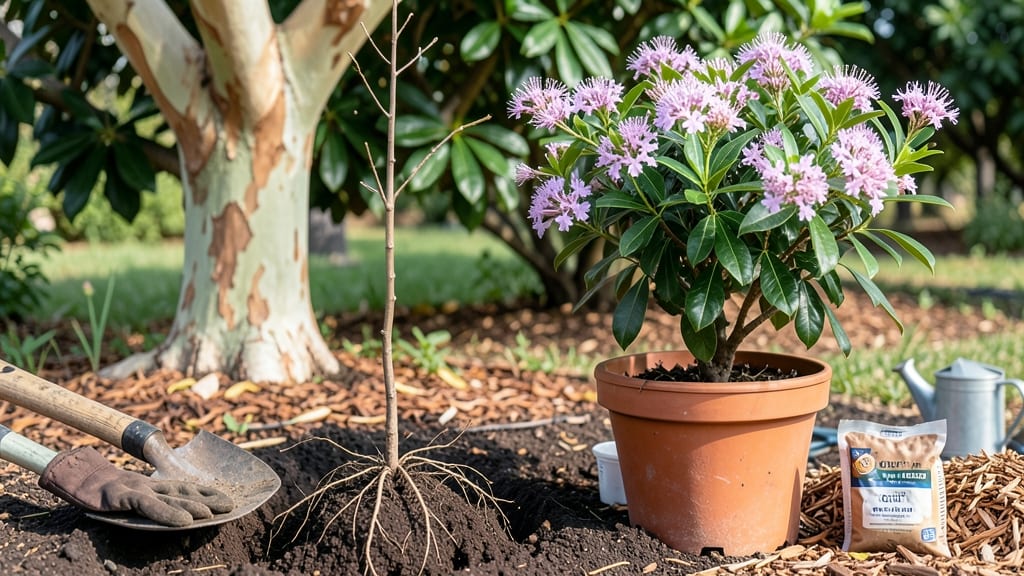
Planting crape myrtles in Oklahoma might seem like a gamble with our wild weather swings, but timing it right guarantees those showstopping 🌸 blooms you’ve been dreaming of—without the guesswork.
Most gardeners in zones 6b-8a swear by late winter to early spring (March-April), when soil warms to 60°F and frost risks fade. But fall planting (September-October) works too, giving roots time to settle before winter’s chill. The key? Avoid Oklahoma’s unpredictable late frosts that can shock young plants.
I’ve seen firsthand how a well-timed planting transforms a crape myrtle from a struggling sapling to a bold, long-lived centerpiece in just a few seasons. Whether you’re starting from a nursery pot or bare root, the right window makes all the difference.
Let’s break down the exact months that work best for your Oklahoma yard—plus soil prep tips and care tricks to keep your 🌸 crape myrtle thriving through Oklahoma’s brutal summers.
Best months to plant crape myrtles in Oklahoma (and why timing matters)
Oklahoma’s USDA zones 6b-8a create a unique challenge for crape myrtle planting—too early and frost zaps young roots, too late and summer heat stresses transplants. The ideal planting window is when soil temperatures stay above 60°F for at least 2 weeks, giving roots time to establish before Oklahoma’s brutal summers.
This typically means late March through April for spring planting or September through early October for fall.
Crape myrtles (Lagerstroemia spp.) thrive when planted during their dormant or early growth phases. Spring planting lets them take advantage of Oklahoma’s 180-220 frost-free days, while fall planting avoids summer’s 100°F+ heat that can shock tender roots.
Both windows give plants 4-6 weeks of mild weather to settle in before extreme conditions.
Why timing matters: Planting outside these windows risks transplant shock from summer heat or winter dieback from late-season frosts. Oklahoma’s average last frost date is March 15 (varies by region), so waiting until mid-April ensures safety. For fall, aim to plant 6 weeks before first frost (typically by October 15) to allow root growth before dormancy.
| Planting Window | Soil Temp Requirement | Frost Risk | Root Establishment Period | Oklahoma Months |
|---|---|---|---|---|
| Spring Planting | 60°F+ consistently | Low (post-last frost) | 6-8 weeks before summer heat | Mid-April to May |
| Fall Planting | 50-60°F (cooler is fine) | Moderate (6 weeks before first frost) | 4-6 weeks before dormancy | September to early October |
| Container-Grown Plants | 60°F+ (any season) | Low (protected roots) | 3-4 weeks establishment | March-May or September-November |
| Avoid Planting | Below 50°F | High (frost damage) | None (roots won't establish) | December-February |
For spring planting, Oklahoma’s average last frost date (March 15) signals the start of your window, but don’t rush—wait until soil temperatures consistently stay above 60°F. Use a soil thermometer to monitor; most Oklahoma regions hit this mark by mid-April.
Planting too early risks frost damage to tender new growth, while waiting too long may stress plants before summer’s heat arrives.
Fall planting offers cooler soil temperatures and reduced transplant shock, but timing is critical. Aim to plant 6 weeks before Oklahoma’s average first frost (November 15), typically by October 1.
This gives roots 4-6 weeks to establish before winter dormancy. In USDA zone 8a (southern Oklahoma), you may extend planting until mid-November.
Container-grown crape myrtles offer flexibility—you can plant them anytime soil is workable, even in late spring or early fall. Their protected root systems handle Oklahoma’s temperature swings better than bare-root plants. However, avoid planting containers in summer heat (June-August), as they dry out quickly and struggle to establish.
Oklahoma’s microclimates add complexity—western regions (like Altus) have earlier last frosts (March 1), while eastern areas (like Tulsa) may see frosts until April 15. Check your local frost dates and adjust planting by 2-3 weeks earlier or later accordingly.
For example, Lawton gardeners should plant by April 1 for spring, while Oklahoma City has until April 15.
After planting, mulch heavily (3-4 inches) to retain soil moisture and regulate temperatures. In Oklahoma’s clay-heavy soils, mulch also prevents soil crusting that can suffocate roots.
Water deeply 2-3 times per week for the first 4 weeks to encourage root spread, then taper to weekly deep waterings once established.
Remember: Crape myrtles bloom on new wood, so plants established by late spring will produce full summer blooms. Those planted in fall may bloom slightly later but often outperform spring plants due to less transplant stress.
Choose your window based on your patience level—spring for immediate color, fall for long-term resilience.
Pro tip: Test your soil’s pH before planting—crape myrtles prefer 6.0-7.0. Oklahoma’s native clay soils often test alkaline (7.5+), so amend with <
How to prepare Oklahoma soil for crape myrtles before planting (step-by-step)
Oklahoma’s clay-heavy soils can be challenging for crape myrtles, but with the right prep, you’ll create the perfect foundation for vibrant blooms. These shrubs thrive in well-draining, slightly acidic soil with plenty of organic matter—something native Oklahoma soil often lacks.
Let’s break down how to transform your garden bed into an ideal home for your new crape myrtle.
First, test your soil pH using a simple kit from your local garden center. Crape myrtles prefer a pH between 5.5 and 6.5. If your soil tests higher, you’ll need to lower the pH with sulfur or peat moss.
For alkaline Oklahoma soils, this step is critical—skipping it can stunt root growth and reduce flowering.
Use a soil test kit to check pH and nutrient levels. Oklahoma’s clay soils often test alkaline (pH 7.5+).
Break up clay layers with a shovel or tiller to a depth of 12-18 inches.
Mix in 3-4 inches of compost or aged manure to improve drainage and fertility.
For high pH soils, add elemental sulfur (1 lb per 100 sq ft) and retest in 2-3 months.
Add coarse sand or perlite (20% of soil volume) to prevent waterlogging in Oklahoma’s heavy clay.
Apply 3-4 inches of mulch (pine bark or shredded leaves) to retain moisture and regulate soil temperature.
After amending your soil, focus on drainage improvements. Oklahoma’s clay soils can become waterlogged during spring rains, which crape myrtles hate. Mix in coarse sand or perlite (about 20% of your amended soil volume) to create air pockets and improve water flow.
This step is especially important if your garden sits in a low-lying area where water pools.
Once your soil is prepped, create a planting hole twice as wide as the root ball but only as deep. The top of the root ball should sit 1-2 inches above ground level to prevent rot.
Backfill with your amended soil, gently firming it around the roots to eliminate air pockets. Water thoroughly to settle the soil and encourage root contact.
Finally, apply a 3-4 inch layer of mulch around the base of your crape myrtle, keeping it 6 inches away from the trunk. Use pine bark or shredded leaves to retain moisture and regulate soil temperature.
Mulch also suppresses weeds, reducing competition for nutrients during the critical first year of growth.
With these steps, your Oklahoma soil will be ready to support healthy crape myrtle roots and abundant summer blooms. Remember, proper soil prep is half the battle—now you’re set for a stunning, low-maintenance landscape centerpiece! 🌸