
Plants
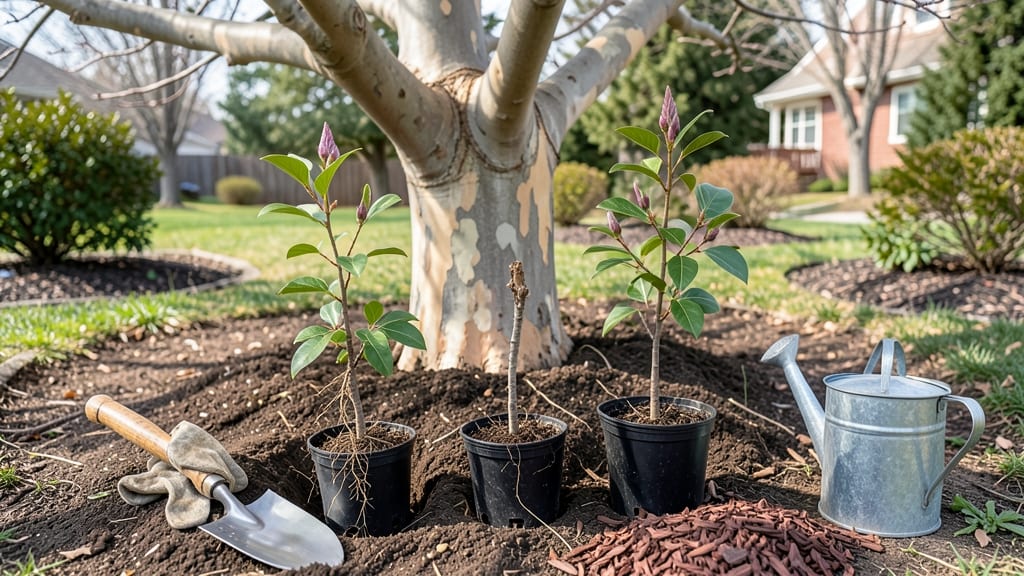
Planting a crape myrtle 🌸 in Texas at the wrong time can mean the difference between a thriving landscape star and a sad, struggling shrub. The key to success lies in understanding your region's frost dates and soil temperatures—because unlike some plants, crape myrtles demand patience and precision.
Whether you're in North Texas where frost lingers until mid-February or South Texas where warm weather arrives early, timing matters more than you might think.
I've seen gardeners rush planting in spring only to watch their young trees wilt under summer heat, or delay until fall and miss the optimal window for root establishment.
In this guide, I'll break down the best months to plant crape myrtles across Texas' hardiness zones, plus exactly what to do to give your new tree the strongest start.
You'll learn how to prepare your soil, choose the right location, and care for your plant through its first critical growing season.
By the end, you'll know exactly when to dig that hole—whether you're working in the 8a chill of North Texas or the 10b warmth of the Rio Grande Valley. Let's get those roots settled for a lifetime of stunning summer blooms.
Best months to plant crape myrtle in Texas by hardiness Zone
Texas spans USDA hardiness zones 7-10, creating dramatic differences in frost patterns and planting windows for crape myrtles. In Zone 7, late spring frost lingers until April, while Zone 10 rarely sees frost at all.
This variability means your planting timing should shift dramatically from North to South Texas—get it wrong, and you risk stunted growth or frost damage.
For optimal survival rates, aim to plant when soil temperatures stay above 60°F (15°C) consistently. This typically means late winter to early spring for northern regions and fall for southern areas. The key is avoiding both frost stress and summer heat shock during root establishment.
🌸
| Zone | Best Planting Months | Frost Risk | Soil Prep Tip |
|---|---|---|---|
| 7a-7b (North Texas) | March-April (spring) or September (fall) | High frost risk until April 15 | Amend clay soil with compost |
| 8a-8b (Central Texas) | February-March (spring) or October (fall) | Moderate frost risk until March 1 | Test pH (ideal: 6.0-7.0) |
| 9a-9b (East/South Texas) | January-February (spring) or September-October (fall) | Low frost risk (occasional Dec-Jan) | Add organic mulch for moisture |
| 10a-10b (South Texas) | December-January (spring) or September (fall) | Minimal frost risk | Improve drainage in heavy soils |
In Zone 7, where frost can linger until mid-April, I recommend planting bare-root crape myrtles in March or container-grown plants in September. The fall window gives roots time to establish before winter, while spring planting avoids early-season cold snaps.
For Zone 8, you have flexibility—plant in February-March for spring blooms or October for fall establishment.
Southern Texas (Zones 9-10) offers the most planting flexibility. Here, you can plant as early as December or as late as January for spring growth, or choose September-October to beat summer heat.
The key is avoiding peak summer temperatures, which can stress young roots even in drought-tolerant varieties.
Regardless of zone, soil preparation makes all the difference. Test your soil's pH (6.0-7.0 ideal) and amend with compost to improve drainage. In heavy clay soils common in East Texas, I mix in sand or perlite to prevent root rot.
For sandy soils in West Texas, add organic matter to retain moisture.
Pro tip: Water deeply after planting to settle soil around roots, then maintain 1-2 inches of mulch to conserve moisture. In Zone 7, protect young plants with burlap wraps during unexpected late frosts. For Zones 9-10, shade cloth can prevent heat stress during summer planting.
Remember, container-grown crape myrtles establish faster than bare-root plants, giving you a 2-3 week advantage in both spring and fall planting. If you're in Zone 8 or higher, I suggest container planting in late summer to take advantage of cooler soil temperatures and higher humidity.
For maximum bloom potential, plant in full sun locations (6+ hours daily) and avoid low-lying areas where cold air settles. In East Texas, watch for humidity-related diseases like powdery mildew—choose resistant varieties like 'Arapaho' or 'Tonto' for better success.
🌿
Signs your Texas crape myrtle planting timing is Perfect (or wrong)
When planting your Texas crape myrtle, the soil temperature is your first clue. Ideal timing occurs when soil reaches 60°F or warmer, signaling roots can establish without frost damage.
Check with a soil thermometer—this usually aligns with late February to March in most regions, but varies by USDA Zone.
Another green light is consistent rainfall or your ability to water deeply without stress. Crape myrtles thrive with 1-2 inches of moisture weekly, so planting during September-October (fall) gives roots time to settle before winter dormancy. Humidity levels above 40% also support healthy transplant shock recovery.
🌱
⚠️ Planting Too Early or Late?
❌ Frost risk: Planting before last frost date (e.g., Feb 15 in North Texas) can kill tender roots.
❌ Heat stress: Planting in summer (June-August) causes transplant shock from extreme heat.
✅ Perfect timing: Soil temp ≥60°F + no frost forecast for 2 weeks.
Watch for new leaf growth on your crape myrtle within 2-3 weeks of planting—a clear sign roots are establishing. Healthy leaves should be deep green and firm, not yellow or wilting.
If leaves appear stunted or curled, it may indicate poor timing or root damage from extreme heat or cold.
Yellowing leaves or leaf drop often signals environmental stress, such as overwatering or underwatering. Crape myrtles in containers dry out faster—check soil moisture daily if planted in pots. In-ground plants may show stress if soil remains waterlogged or bone-dry for extended periods.
Pay attention to bloom development the following spring. Crape myrtles planted at the right time will produce vibrant flowers by their second year. Delayed or sparse blooms may mean poor root establishment due to late planting or inadequate sunlight.
Ensure your plant gets 6+ hours of full sun daily for optimal growth.
Finally, inspect the stem and bark for signs of cracking or peeling, which can occur if the plant experiences temperature swings too soon after planting.
Mulch around the base with 2-3 inches of organic mulch to regulate soil temperature and retain moisture—this helps stabilize young crape myrtles during transition periods.
🌿