
Plants
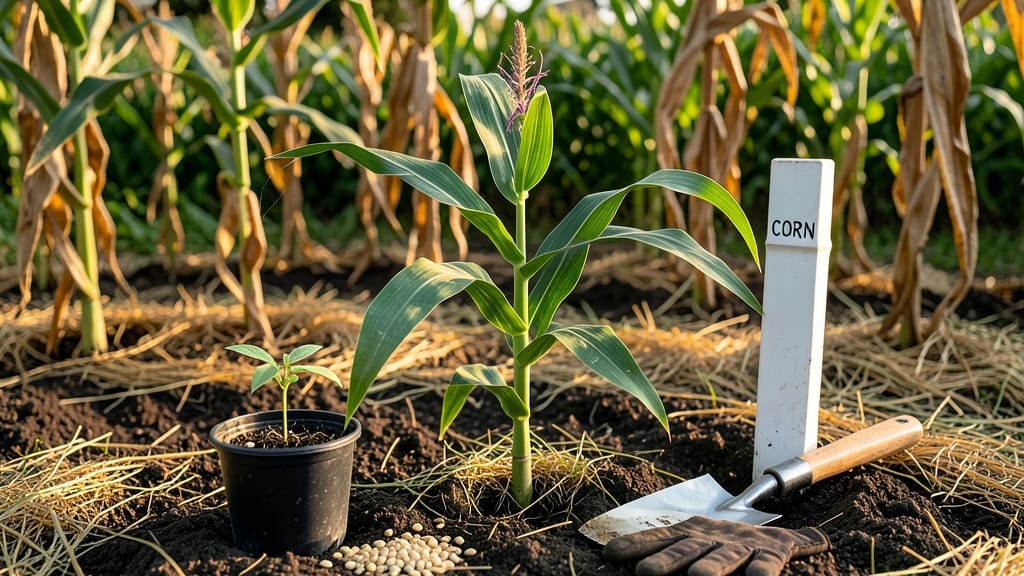
Timing your corn planting just right in Zone 6a could mean the difference between a bumper crop of sweet 🌽 and a sad, stunted harvest.
When to plant corn in Zone 6a isn't just about calendar dates—it's about waiting for soil warmth and dodging late frosts that can turn your seedlings into sad, wilted memories.
Most gardeners in 6a rush to plant as soon as the ground is workable, but that’s a recipe for disappointment. Corn thrives when soil temperatures hit 50°F—any earlier, and your seeds might rot before sprouting.
I’ve learned the hard way that patience pays off, especially when you’re staring at 165 frost-free days to grow a full ear.
In this guide, I’ll break down the exact window—mid-April to early May—for planting corn in 6a, plus how to adjust for your specific microclimate. We’ll cover soil prep, seed depth, and even which varieties hold up best when summer heat arrives early.
Ready to grow corn that rivals the grocery store? Let’s get started.
You’ll also discover how to handle those tricky late springs (because let’s be honest, Zone 6a weather is unpredictable) and when to start watching for those telltale brown silks. By the end, you’ll know exactly when to plant for ears so plump, your neighbors will ask for recipes.

Best planting dates for corn in Zone 6a: frost-free timing explained
Corn thrives when planted at the right time in Zone 6a, where cool springs and early frosts demand precision. The ideal window is after your average last frost date, typically between mid-April and early May.
Planting too soon risks frost damage, while waiting too long shortens the growing season and reduces yields.
In Zone 6a, corn needs 90–120 frost-free days to mature. Most varieties take 75–100 days from planting to harvest, so timing is critical. For example, a 75-day variety planted on May 1 should be ready by early August, leaving room for a second planting if your season extends.
Soil temperature is just as important as air temperature. Corn seeds won’t germinate well until the soil reaches 50–60°F (10–15°C). Use a soil thermometer to confirm readiness—cold soil delays germination and weakens seedlings. In colder Zone 6a subregions like the Appalachians, wait until soil warms consistently.
Your exact planting date depends on your local last-frost averages. For instance, Chicago (Zone 6a) typically sees its last frost around April 20, while Asheville, NC (Zone 6a), may wait until May 5.
Check your local almanac or USDA frost maps for precision—even a 2-week difference can mean the difference between a bumper crop and a failed harvest.
If your spring is unpredictable, consider successive plantings every 2 weeks until early June. This strategy stretches your harvest window and reduces risk.
For example, plant one batch on May 1, another on May 15, and a final one on June 1—this ensures ears at different stages for continuous picking.
For Zone 6a gardeners, early-maturing varieties like ‘Early Sunglow’ (70 days) or ‘Bodacious’ (85 days) are ideal. These tolerate cooler soils and still deliver sweet, tender ears. Avoid long-season varieties like ‘Silver Queen’ (110+ days), which may not mature before frost in most of Zone 6a.
Pro tip: Use black plastic mulch to warm soil faster and protect seedlings. Lay it down 1–2 weeks before planting to create a microclimate that speeds germination. This is especially helpful in cooler subregions where soil lingers below 50°F (10°C).
Monitor your local weather forecasts in the days leading up to planting. A 5-day forecast showing consistently warm nights (above 45°F/7°C) confirms it’s safe to plant. If frost is predicted, delay or use row covers to shield young plants until they’re 6 inches tall.
Remember, corn is wind-pollinated, so plant in blocks (not rows) to ensure cross-pollination. A 4x4-foot block with 4–6 plants is perfect for home gardens. This setup also makes it easier to spot and address pest or disease issues early.
By mastering these Zone 6a-specific timing tips, you’ll enjoy plump, sweet corn that’s ready to harvest before the first frost—no grocery store can compete with that! 🌽
How to adjust corn planting for Zone 6a’s unique climate challenges
Zone 6a’s unpredictable springs and short growing season demand smart adjustments to corn planting. Late frosts can delay planting, while early heatwaves stress young plants. The key? Flexibility—using row covers, selecting cold-hardy varieties, and planning for potential setbacks.
I’ve learned that ‘Early Sunglow’ corn thrives in cooler conditions, while ‘Silver Queen’ prefers warmth. Choosing the right variety can mean the difference between a bountiful harvest and wasted effort. Let’s break down how to adapt your planting strategy for Zone 6a’s quirks.
Adjusting Corn Planting for Zone 6a
Use Row Covers
✅ Extends season by 2-3 weeks
✅ Protects from late frosts
✅ Increases soil warmth faster
Choose Cold-Tolerant Varieties
✅ ‘Early Sunglow’ (60 days)
✅ ‘Ambrosia’ (75 days)
✅ ‘Bodacious’ (80 days)
Plan for Successive Plantings
✅ Stagger 2-3 plantings
✅ 10-day intervals
✅ Extends harvest window
Avoid These Pitfalls
❌ Planting too late (misses harvest)
❌ Using heat-loving varieties (e.g., ‘Silver Queen’)
❌ Ignoring soil temperature (<60°F = delay germination)
If your spring arrives late, row covers are your best friend. I’ve used them to push planting dates back by 2-3 weeks without frost damage. Lay them over seeds after planting and remove when plants reach 6 inches tall.
This creates a microclimate that warms soil faster and shields tender seedlings.
For early heatwaves, shade cloth (30-50%) can prevent stress. I’ve seen corn bolt—shoot up too fast—when temperatures spike above 90°F before plants mature. Mulch heavily with straw to keep roots cool and soil moist, which slows growth just enough to let ears develop properly.
Zone 6a’s shorter growing season (about 165 frost-free days) means you’ll need to prioritize early-maturing varieties. ‘Early Sunglow’ reaches harvest in 60 days, while ‘Silver Queen’ takes 90 days—the latter risks stunted growth if planted too late.
Always check your first frost date and count backward from your variety’s maturity date.
Finally, keep a planting journal to track what works. Note soil temperatures, frost dates, and variety performance. Last year, my ‘Ambrosia’ corn thrived with row covers but struggled when I skipped them. Adjusting based on real data turns guesswork into a reliable system.
With these strategies, you’ll turn Zone 6a’s challenges into opportunities for a reliable corn harvest—even with its unpredictable weather. 🌽