
Plants
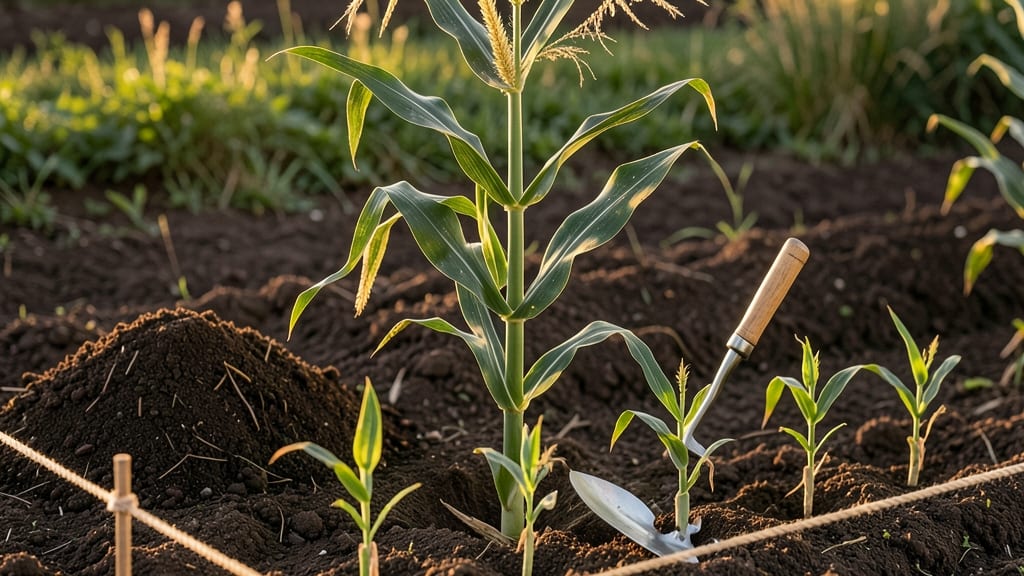
Planting corn in Minnesota isn't just about checking a calendar—it’s about catching that perfect window when soil temperatures hit 50°F at 4 inches deep, ensuring your 🌽 seeds germinate fast and strong.
Too early, and frost will nip your tender sprouts; too late, and you’ll miss the sweet spot for a bountiful harvest before the first frost in October.
For gardeners in USDA Zones 3b-5a, timing is everything. The ideal planting window stretches from mid-April to mid-May, but don’t rush—waiting for the ground to warm up is the key to avoiding stunted plants and poor yields.
I’ve learned the hard way that patience here pays off in plump, juicy ears come summer.
This guide breaks down exactly how to read your soil’s temperature cues, which corn varieties thrive in Minnesota’s short season, and how to stretch your growing window with smart prep.
Whether you’re a first-time gardener or a seasoned pro, these tips will help you maximize your harvest before the first frost.
Ready to grow corn that’s fast, hearty, and ready to pick by July? Let’s dive into the soil science and variety secrets that make all the difference in Minnesota’s unpredictable climate.
Minnesota corn planting dates by hardiness Zone (with soil temperature rules)
Minnesota’s corn-growing season is short but productive when you align planting with soil temperature and frost-free dates. In USDA Zones 3-5, corn thrives when soil reaches 50°F at 4-inch depth—a critical threshold for germination.
Northern counties (Zone 3b) face earlier frost risks than southern areas (Zone 5a), so timing varies by 1-2 weeks across the state.
For Zone 3b (northern MN), aim to plant late May to early June after the last frost (typically May 15). Southern Zone 5a gardeners can start as early as mid-April, but wait for consistent 50°F+ soil temps to avoid slow sprouting.
Microclimates—like urban heat islands or lakeside areas—can shift these windows by 5-7 days, so monitor local conditions.
Here’s how to balance frost risk and soil warmth for reliable yields:
In Zone 3b, where frost lingers until June 1, I recommend using row covers or black plastic mulch to warm soil faster. For Zone 5a, you can push planting to early April if you use warm-season covers or plant near south-facing fences that absorb heat.
Always verify soil temps with a 4-inch soil thermometer—even if air temps feel warm, cold soil delays germination by 3-5 days.
Pro tip: Corn needs 90-120 frost-free days to mature. In northern MN, prioritize early-maturing varieties (60-70 days to harvest) like ‘Early Sunglow’ or ‘Golden Bantam.’ Southern gardeners can try mid-season types (80-90 days), but monitor first frost dates—October 1 is the average in most zones.
Planting 1-2 weeks late is better than risking frost damage to young seedlings.
Adjust for microclimates like urban heat islands or lakeside gardens, where soil warms 5-7 days earlier than rural areas. Use a weather station or local MN State Climatology Office data to fine-tune your schedule.
For example, Minneapolis (Zone 4b) often sees soil temps hit 50°F by April 20, while Duluth (Zone 3b) may wait until May 10.
If you’re unsure about soil temperature, test it daily for 3 days—consistent 50°F+ readings at 4-inch depth signal it’s safe to plant. Cold soil slows germination, leading to uneven stands and pest vulnerabilities.
In my garden, I’ve seen 30% fewer seedlings when planting before soil reaches this threshold. Pair this with well-drained soil and full sun for the best results.
For late plantings (after June 1), choose short-season varieties and accept smaller yields. Corn planted after June 15 in Zone 3b rarely matures fully, but sweet corn like ‘Ambrosia’ can still produce edible ears if harvested young.
Always prioritize soil temperature over calendar dates—it’s the #1 factor in successful corn growth in Minnesota.
🌽
How to test soil temperature for corn germination (DIY methods & tools)
Corn seeds need consistent soil temperatures of at least 50°F at 4 inches deep to germinate reliably. In Minnesota, this often means waiting until late May in northern regions or early May in the south.
Without testing, you risk planting too early—when cold snaps can kill tender seedlings—or too late, missing the optimal 90-day growing window before frost.
Professional gardeners use soil thermometers for accuracy, but you can also rely on seedling cues and weather patterns if tools aren’t available. The key is consistency: daytime warmth matters, but nighttime temps below 50°F can stall germination even if days are warm.
Why soil temperature matters more than air temperature: Air temps can fluctuate wildly, but soil retains heat longer. For example, a 60°F air temp might correspond to only 45°F soil temp on cloudy mornings. Corn seeds won’t sprout until the soil itself reaches that critical threshold.
🌱 5 Ways to Test Soil Warmth for Corn Planting
-
1. Digital Soil Thermometer
Best accuracy: Insert probe 4 inches deep in shaded soil at 9-10 AM. Readings 50°F+ signal readiness. -
2. DIY Jar Thermometer
Fill a jar with soil, bury it, and check water temp (soil heats faster than air). 60°F water = ~50°F soil. -
3. Seedling Response Test
Plant a few seeds in pots and move them outside. If 50% sprout in 7-10 days, soil’s warm enough. -
4. Weather Station Data
Check 5-day soil temp forecasts (available via MN State Climatology Office). Aim for 3+ days above 50°F. -
5. Local Planting Guides
Use MN Extension’s frost-free date maps as a baseline, but always verify with soil tests.
Pro Tip: In Zone 4, wait until May 20 minimum—earlier plantings often fail due to late spring frosts (avg. last frost: May 15).
Avoid these common mistakes that ruin germination: Planting too deep (deeper than 1.5 inches delays sprouting), ignoring nighttime temps (below 50°F at night stresses seedlings), or relying solely on air temp (soil stays cold longer).
Even if daytime soil hits 55°F, a 45°F night can kill tender sprouts.
Extend your growing season with black plastic mulch—it warms soil by 5-10°F faster than bare ground. Lay it down 1-2 weeks before planting to jumpstart warmth. For late plantings, use row covers to protect seedlings from unexpected frosts while letting soil warm during the day.
Remember: Consistency beats speed. A steady 50°F+ for 3+ days is better than one hot day followed by cold. Test your soil’s warmth daily for a week before planting—your corn’s future yield depends on it. 🌽