
Plants
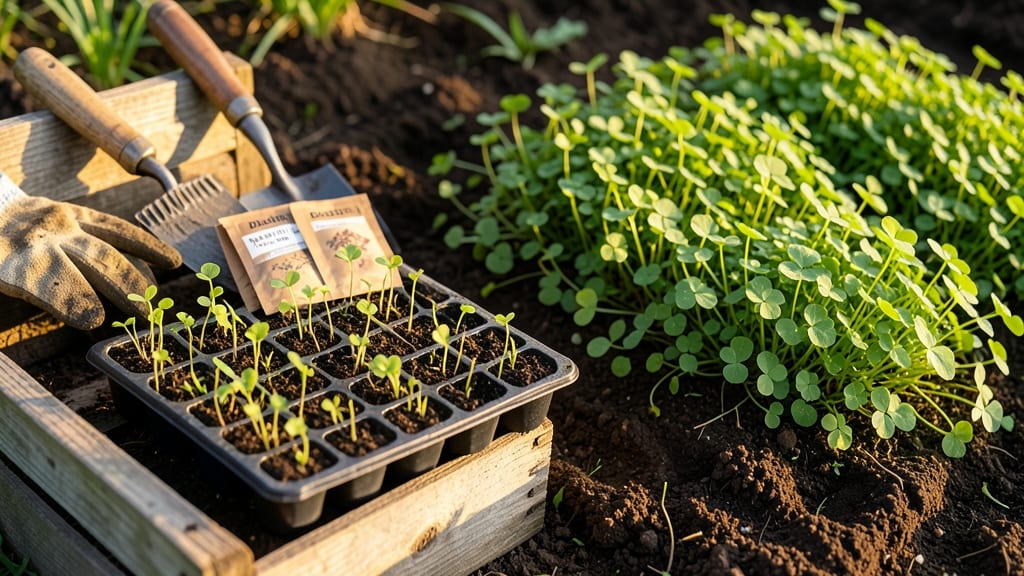
Planting clover at the right time in spring can transform your lawn from patchy to lush—if you time it just right. The key is waiting for soil temperatures to hit that sweet spot of 50°F, which typically lands in early to mid-spring for most regions.
But here's the catch: rushing too early risks frost damage, while waiting too long might delay those vibrant blooms you're dreaming of.
For USDA Zone 6a, like many gardeners across the country, the ideal window opens around March or April, right after your last frost date. This timing gives clover the perfect balance of warmth and moisture to take root without stress.
I've learned that patience here pays off—those first green shoots are worth the wait.
What makes this timing so critical? Clover thrives when soil is workable but not waterlogged, and those 30 to 60 days to germination need consistent conditions. Too cold, and seeds linger dormant; too hot, and they dry out before sprouting.
Let me show you exactly how to check your soil's readiness and avoid these common pitfalls.
Once you've got the timing down, the real magic happens with proper prep—loose soil, light fertilizer, and just enough water to keep things moist. Stick with me, and you'll have a clover patch that's not just surviving, but thriving all season long.
Let's get those seeds in the ground the right way.
Optimal spring planting months for clover by US climate zones
Getting your clover planting timed right in spring depends heavily on your USDA hardiness zone and local frost patterns. Unlike heat-loving summer crops, clover thrives when soil temperatures hover between 50°F and 65°F—a window that shifts dramatically across regions.
Plant too early in cold zones, and frost will stall germination; too late in warm climates, and summer heat stresses young seedlings. Let's break down the ideal planting windows by zone to ensure your clover establishes strong roots before summer arrives.
For gardeners in cool climates (Zones 3-6), the sweet spot is typically late March through early May. These regions experience slower soil warming, so waiting until after the last average frost date (usually mid-April in Zone 5) minimizes frost damage.
In contrast, warmer zones (7-10) can plant as early as February, but must finish by mid-April to avoid summer drought stress. The key is matching your planting to when soil reaches 50°F at 4-inch depth—a threshold most clover varieties need to germinate reliably.
| USDA Zone | Climate Type | Best Planting Window | Soil Temp Threshold | Frost Risk |
|---|---|---|---|---|
| Zones 3-4 | Cool Continental | Late April–May | 50–55°F | High (late frosts) |
| Zones 5-6 | Temperate | March–April | 50–60°F | Moderate |
| Zones 7-8 | Humid Subtropical | February–March | 55–65°F | Low |
| Zones 9-10 | Mediterranean | January–February | 60–70°F | None |
| Mountain Regions | High Elevation | May–June | 45–50°F | Very High |
🌡️ Pro Tip: Use a soil thermometer to verify temperatures before planting—clover won't germinate below 50°F.
In Zones 3-4, where winters linger, aim for late April to early May planting. These areas often see late spring frosts (even after Memorial Day), so use frost blankets if sowing earlier.
For Zones 5-6, the March-April window aligns perfectly with soil warming trends—just check your local USDA frost calendar for precise dates. My Zone 5 garden shows best results when planted in mid-April, giving seedlings 6-8 weeks to establish before summer heat arrives.
Gardeners in Zones 7-10 have the most flexibility, with February-March being ideal. Southern California's Mediterranean climate (Zone 9-10) allows for January planting, but avoid sowing after mid-March to prevent summer drought stress.
Mountain regions (like Zone 5+ at elevations above 5,000 ft) should wait until May or June when soil finally warms to 45-50°F. At these elevations, late frosts can occur well into May.
One common mistake is planting clover too early in warm zones or too late in cool zones. For example, sowing in January in Zone 7 risks soil compaction from rain, while planting in June in Zone 5 leaves seedlings vulnerable to summer heat stress.
Always prioritize soil temperature over calendar dates—your clover's success depends on it hitting that 50-65°F sweet spot for germination.
To find your exact planting window, use the USDA Plant Hardiness Zone Map and cross-reference with your local cooperative extension service. They provide last frost dates and soil temperature data tailored to your county.
For example, Atlanta (Zone 7b) typically plants in early March, while Minneapolis (Zone 4b) waits until late May. This regional precision ensures your clover gets the best possible start.
After planting, monitor your clover's progress by checking for uniform germination within 14-21 days. If seedlings emerge patchy, re-sow thin areas or adjust watering—clover needs consistent moisture but hates soggy soil. In drought-prone zones (8-10), consider mulching with straw to retain moisture during the critical first
5 Signs your spring soil is ready for clover planting
Planting clover too early in spring can leave your seeds struggling in cold soil, while waiting too long risks summer heat stress. The key is checking your soil’s hidden signals—like moisture retention and temperature—that tell you when conditions are just right.
These five practical signs will help you pinpoint the perfect planting window without relying on guesswork or weather apps.
Clover thrives when soil temperatures consistently stay above 50°F at a depth of 2 inches. Use a soil thermometer to check—if the reading hovers between 55°F and 65°F, your soil is primed for germination.
Cooler temps slow clover growth, while warmer soil speeds up sprouting but may dry out too quickly. Balance is everything!
Your soil should feel moist but not soggy when you squeeze a handful. If it crumbles easily, it’s dry and needs watering before planting. If it sticks together like clay, it’s too wet and may suffocate seeds.
Aim for a texture like a damp sponge—this ensures clover roots establish quickly without drowning.
Weeds are nature’s way of telling you about soil quality. If your garden bed has few weeds with broad leaves (like dandelions or plantains), your soil is likely well-draining and fertile—ideal for clover.
However, if you see dense grassy weeds (like crabgrass), your soil may be compacted, requiring aeration before planting.
- 🌡️ Soil temperature reaches 50°F+ at 2" depth (use a thermometer for accuracy).
- 💧 Soil feels moist but crumbles when squeezed (like a damp sponge).
- ☀️ Daytime temps consistently stay above 55°F (check local forecasts).
- 🌱 Weed competition is low (few broadleaf weeds, no dense grass).
- 🌿 Last frost date has passed (verify with your USDA zone).
Adjust your planting timing based on local weather patterns. In cooler climates (Zones 3-6), aim for late April to early May when frost risk drops. In warmer zones (7-10), plant as early as February to March to avoid summer drought stress.
Always check your 7-day forecast—if rain is predicted within 48 hours, delay planting to prevent seed runoff.
Once you’ve confirmed all five signs, scatter clover seeds lightly but evenly over prepared soil (no deeper than ¼ inch) and gently rake them in. Water thoroughly but avoid soaking the bed—clover needs consistent moisture, not waterlogged conditions.
Within 7-14 days, you’ll see tiny sprouts pushing through, signaling your timing was perfect!
Don’t overthink it—your soil will tell you when it’s ready. Trust the signs, and you’ll enjoy a lush, nitrogen-rich clover patch by early summer, ready to outcompete weeds and attract pollinators. Happy planting! 🌱