
Plants
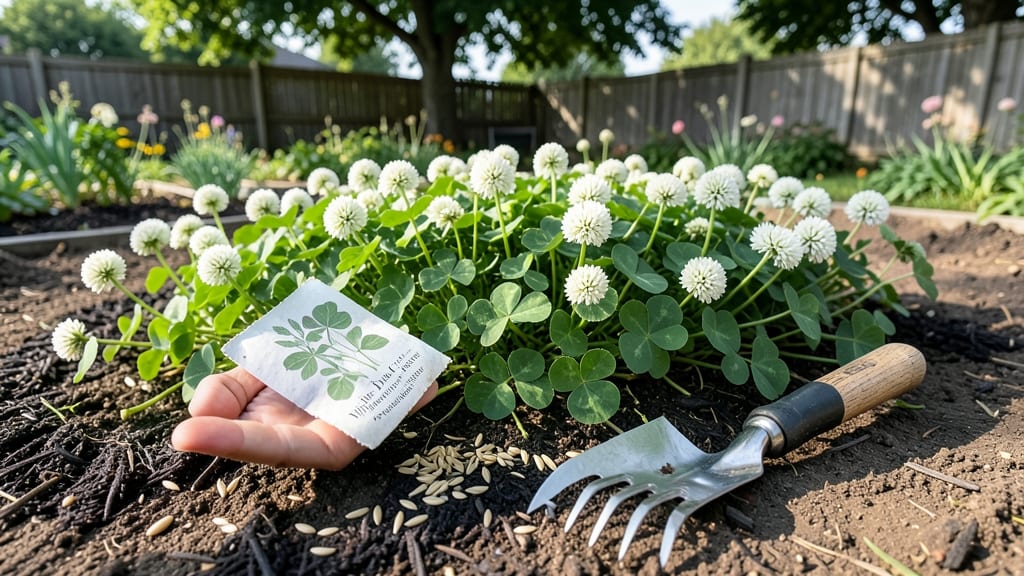
Planting clover in Illinois at the wrong time could mean waiting months for your 🌱 soil-enriching ground cover to take hold—or worse, watching it struggle through harsh winters. But when you time it just right, you’ll unlock a lush, nitrogen-packed lawn that thrives year after year.
Here’s the secret: March-April or September-October are your best bets, depending on whether you’re planting for spring blooms or fall establishment. Illinois’ USDA Zones 5-7 mean frost dates vary, but these windows give your clover the perfect head start—whether you’re in Chicago’s cooler north or St. Louis’ milder south.
Why does timing matter so much? Clover needs consistent moisture and soil temps between 50-60°F to germinate properly. Plant too early, and frost will nip it in the bud. Too late, and summer heat can stress young seedlings before they’ve had a chance to root deeply.
I’ll break down exactly how to align your planting with Illinois’ climate zones, plus pro tips for preparing your soil and avoiding common mistakes. Let’s get that clover growing strong—without the guesswork.
Best months to plant clover in Illinois for maximum success
Illinois' diverse climate zones create distinct planting windows for clover—Northern regions (USDA zones 5-6) have shorter growing seasons, while Southern Illinois (zone 7) enjoys longer springs and falls. Timing your planting to avoid late frosts and summer droughts ensures strong root establishment before winter dormancy.
Clover thrives when planted during early spring (March-April) or early fall (September-October). These windows allow seeds to germinate in 50-60°F soil, giving plants time to develop before winter or summer stress.
In Northern Illinois, aim for after April 15, while Southern Illinois gardeners can start as early as mid-March.
Key factors like soil temperature, moisture levels, and frost dates vary by region. For example, Chicago's last frost typically arrives by April 15, while St. Louis sees it around April 1. Adjust your planting schedule accordingly to avoid seedling damage from unexpected cold snaps.
Here’s a quick reference for optimal planting months based on Illinois’ two main climate zones:
| Region | Best Planting Window | Soil Temp Requirement | Key Consideration |
|---|---|---|---|
| Northern Illinois (Zones 5-6) | Late April - Early May | 50-60°F | Avoid late frosts (after April 15) |
| Northern Illinois (Zones 5-6) | September 15 - October 1 | 60-70°F | Plant 6-8 weeks before first frost |
| Southern Illinois (Zone 7) | Mid-March - Early April | 50-60°F | Longer growing season allows earlier start |
| Southern Illinois (Zone 7) | September 1 - September 30 | 60-70°F | Warmer soil extends fall planting |
For spring planting, prepare your soil in late February by tilling in compost and raking to a fine texture. This gives seeds direct contact with moist, nutrient-rich soil, critical for germination.
In Northern Illinois, wait until after April 15 to avoid frost damage, while Southern Illinois gardeners can start as early as mid-March.
Fall planting offers another high-success window because cooler temperatures reduce weed competition and pest pressure. Aim to plant 6-8 weeks before your region’s first frost—typically September 15-October 1 in Northern Illinois and September 1-September 30 in Southern Illinois. This timing allows clover to establish roots before winter dormancy.
If you’re planting in late summer (August), focus on water retention by mulching with straw or grass clippings. Clover seeds need consistent moisture to germinate, especially in dry August conditions. Water lightly daily until sprouts appear, then reduce to weekly deep watering once established.
Pro tip: Test your soil pH before planting—clover prefers 6.0-7.0. If your soil is too acidic, amend with lime in fall or wood ash in spring. This small step boosts nitrogen fixation and overall plant health, ensuring your clover thrives year after year.
Remember, microclimates matter! Even within Illinois, urban areas like Chicago may experience earlier frosts than rural spots. Monitor local frost dates and adjust your schedule by 1-2 weeks if needed. With the right timing, your clover will establish a lush, nitrogen-rich ground cover that outcompetes weeds naturally.
How Illinois soil conditions affect clover planting timing
Illinois' diverse climate creates unique challenges for planting clover. Northern regions like Chicago experience cooler soils that stay damp longer, while southern areas near St. Louis warm up faster. These differences directly impact when you should plant for optimal root establishment and survival through winter.
Clover thrives when soil temperatures reach 50-60°F—this is your golden window. In northern Illinois, this typically happens in late April to early May, while southern Illinois gardeners can plant as early as mid-to-late March.
Understanding these temperature thresholds helps you avoid planting too early when soils are still cold and too late when summer heat arrives.
⚠️ Soil Temperature Warning
Never plant clover when soil temps are below 50°F—seeds risk rot. Use a soil thermometer ($10 at garden centers) to check depth (2-3 inches). In Chicago, wait until April 20 average; in St. Louis, March 25 is safer. Moisture matters too: clover needs 1-1.5 inches of rain weekly after planting.
Moisture levels play a critical role in Illinois clover success. The state's humid continental climate means spring planting often benefits from natural rainfall, but summer droughts can stress young plants.
Southern Illinois' warmer microclimates dry out faster, requiring consistent irrigation during establishment. Northern areas may need drainage improvements to prevent waterlogged soils that suffocate clover roots.
Regional frost patterns further complicate timing. Chicago's last frost typically occurs April 15, while St. Louis sees its final freeze around March 30.
For fall planting, northern Illinois should aim for September 15-October 1 to allow roots to establish before first frost (usually October 15), while southern gardeners have until October 15 for similar results.
Don't overlook soil pH—Illinois' native soils often test 6.0-7.0, ideal for clover. However, areas with heavy limestone (common in southern Illinois) may have alkaline soils (pH 7.5+), requiring sulfur amendments 2-3 months before planting. Test your soil in early spring to adjust pH before your planting window opens.
For best results, combine these factors: plant when soil temps reach 50-60°F, ensure 1-1.5 inches weekly moisture, and adjust timing 10-14 days earlier in southern Illinois than northern regions. This precision transforms clover from a struggling understory to a thriving soil-improving powerhouse in your garden. 🌱